


More news on this day
Across the rail industry, a quiet revolution is changing how tracks, turnouts and signaling equipment are planned, maintained and renewed, as voestalpine Railway Systems pushes infrastructure assets into the digital world.
Get the latest news straight to your inbox!
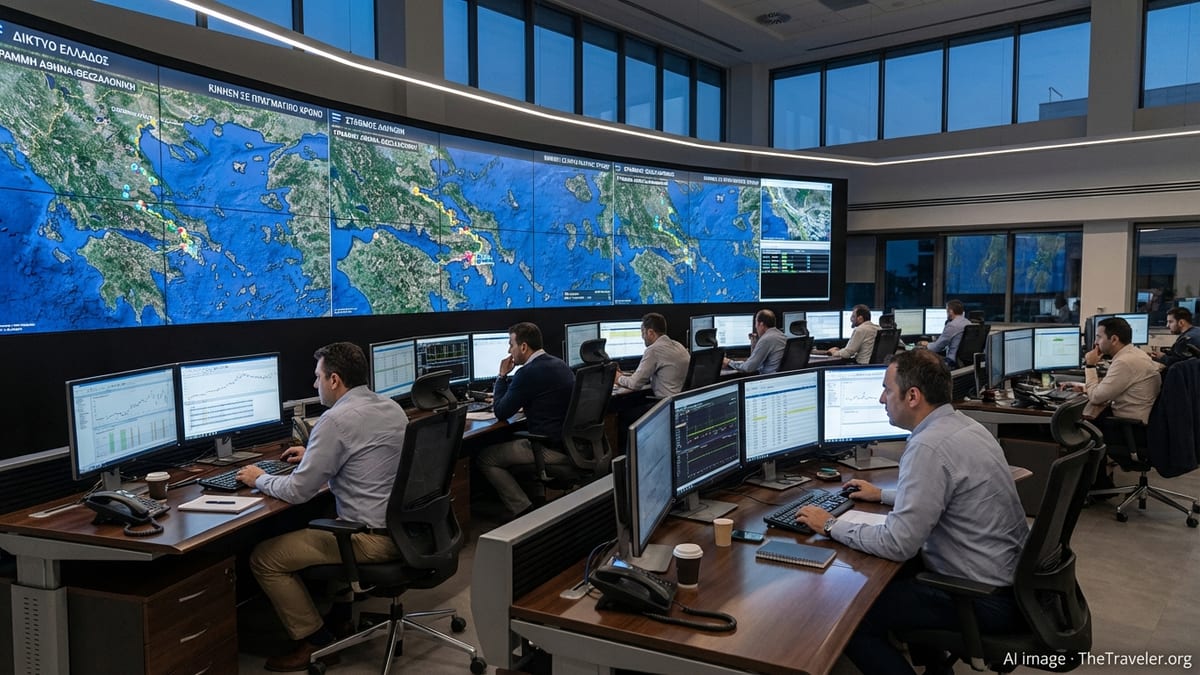
From Steel Provider to Digital Infrastructure Partner
voestalpine Railway Systems, long known for rails and turnout technology, is repositioning itself as a full infrastructure partner, combining traditional hardware with advanced digital services. Public information from the company highlights a portfolio that now stretches from high-performance steel components to integrated sensing, monitoring and data platforms designed to support large rail operators worldwide.
This shift reflects broader pressure on network owners to keep increasingly busy lines available around the clock while reducing lifecycle costs. Instead of focusing solely on supplying physical components, voestalpine is embedding digital capabilities into almost every part of the railway system, treating each asset as a source of operational data as well as a piece of infrastructure.
According to recent product and project disclosures, this approach underpins deliveries to high-speed, freight and urban networks, where digital systems are deployed alongside conventional track and turnout packages. The aim is to turn a historically reactive maintenance model into one built on continuous insight, prediction and targeted intervention.
For operators, this positions voestalpine not just as a manufacturer but as a technology partner, offering tools that support planning, asset management and long-term investment decisions for entire corridors and networks.
zentrak: A Digital Backbone for Railway Assets
At the center of voestalpine Railway Systems’ digital strategy is zentrak, described in official materials as an ecosystem for monitoring, asset and maintenance management. The platform consolidates data from fixed infrastructure and rolling stock into a single environment, giving operators a structured view of the condition and performance of critical assets.
zentrak is built around a modular architecture. Wayside sensors, diagnostic systems and axle counters collect data on rails, turnouts, signaling equipment and trains, while software layers handle visualization, analysis and workflow. Publicly available product descriptions emphasize that the system is designed to support both real-time alerts and long-term trend analysis, forming a basis for predictive and prescriptive maintenance strategies.
For infrastructure managers, the practical effect is a move from manual inspections and periodic campaigns toward condition-based planning. Instead of sending maintenance teams out according to rigid schedules, zentrak allows operators to prioritize tasks by risk and urgency, using data to decide when and where interventions will have the greatest impact on safety and availability.
Industry coverage indicates that zentrak is already being deployed on major international projects, where it serves as a digital backbone linking field devices with central control centers. In these deployments, the platform is used to support both day-to-day operations and longer-range asset renewal programs.
Standardized Asset Delivery and the Rise of “Phygital” Track
To bring infrastructure assets into the digital world at scale, voestalpine Railway Systems is rethinking how those assets are specified and delivered. Technical documentation from the company describes a concept of standardized digital asset delivery, in which components such as turnouts, crossings and signaling devices arrive with structured data sets that can be ingested directly into customer asset management systems.
This standardized delivery approach is supported by a growing suite of tools under the zentrak umbrella, including what voestalpine terms digital asset files and customer portals. These resources provide serialized identification and configuration data for each component, allowing operators to track installations, modifications and maintenance histories from the moment an asset enters service.
Recent articles released by the group outline a broader move toward what it calls “phygital” assets, where mechanical, electronic and software elements are conceived as a single system. Turnouts, for example, are no longer seen as isolated mechanical devices; they are equipped with monitoring hardware, connected to digital twins and integrated with signaling and diagnostic platforms to create a self-aware node in the network.
This system thinking extends to network design and project delivery. Rather than managing multiple suppliers and interfaces, operators can procure combined packages of rails, turnouts, drives and monitoring systems, all designed to share data and support the same asset management workflows over decades of operation.
Digital Twins, Predictive Maintenance and Smart Points
Digital twins play a central role in voestalpine Railway Systems’ vision for smart infrastructure. Company papers on the topic describe digital twins as virtual representations of turnouts, track sections or entire corridors, continuously updated with condition data from sensors and inspection systems. These models are used to simulate degradation, assess remaining useful life and test proposed maintenance actions before they are carried out on the ground.
By combining digital twins with real-time diagnostics, voestalpine aims to move maintenance planning from fixed cycles to predictive strategies. Instead of reacting to failures or visible wear, operators can plan interventions during planned possessions, align resources more efficiently and reduce the number of emergency callouts that disrupt traffic and increase costs.
This concept is particularly visible in the development of digital points. Cooperation agreements with signaling specialists focus on integrating drives, locking systems, detection technology and advanced diagnostics into a single, intelligent turnout system. Public descriptions of these initiatives highlight all-in-one designs where the switch becomes a smart field element capable of generating comprehensive health data while interfacing with modern interlockings.
Alongside software, new generations of controllers and monitoring modules are being rolled out to support higher safety levels, including applications that can reach stringent safety integrity requirements. These devices are positioned as key enablers of predictive maintenance regimes, providing the detailed measurements needed to detect early-stage faults in track, turnouts and signaling components.
Global Rail Networks Test a Data-Driven Future
As railways worldwide expand, upgrade and electrify, digital infrastructure has become a central theme of new investment. Public information from voestalpine and sector publications suggests that the company’s digital platforms are being incorporated into projects ranging from heavy-haul freight routes to densely used metropolitan networks.
In these projects, zentrak-based monitoring installations and asset management tools are often deployed alongside new steel components, signaling equipment and services. Operators use the combined package to validate design assumptions, compare performance across different asset types and prioritize renewal budgets, seeking to stretch limited funds while safeguarding reliability.
Observers in the rail technology press note that the shift to data-driven infrastructure also changes how suppliers interact with customers. Rather than ending with product delivery, relationships increasingly extend through long-term support, software updates and analytic services that refine models as more operational data becomes available.
For voestalpine Railway Systems, the strategy of rethinking asset delivery as a digital service, not just a physical shipment, positions the company at the intersection of steelmaking, rail engineering and information technology. As more networks test and scale these tools, the traditional boundary between trackside hardware and cloud-based analytics continues to blur, signaling a long-term transformation in how rail infrastructure is built, monitored and maintained.