


More news on this day
Holidaymakers heading from Ireland to Europe are being urged to review their measles vaccination before travel, as new surveillance reports highlight ongoing outbreaks of one of the world’s most infectious diseases across multiple European countries.
Get the latest news straight to your inbox!
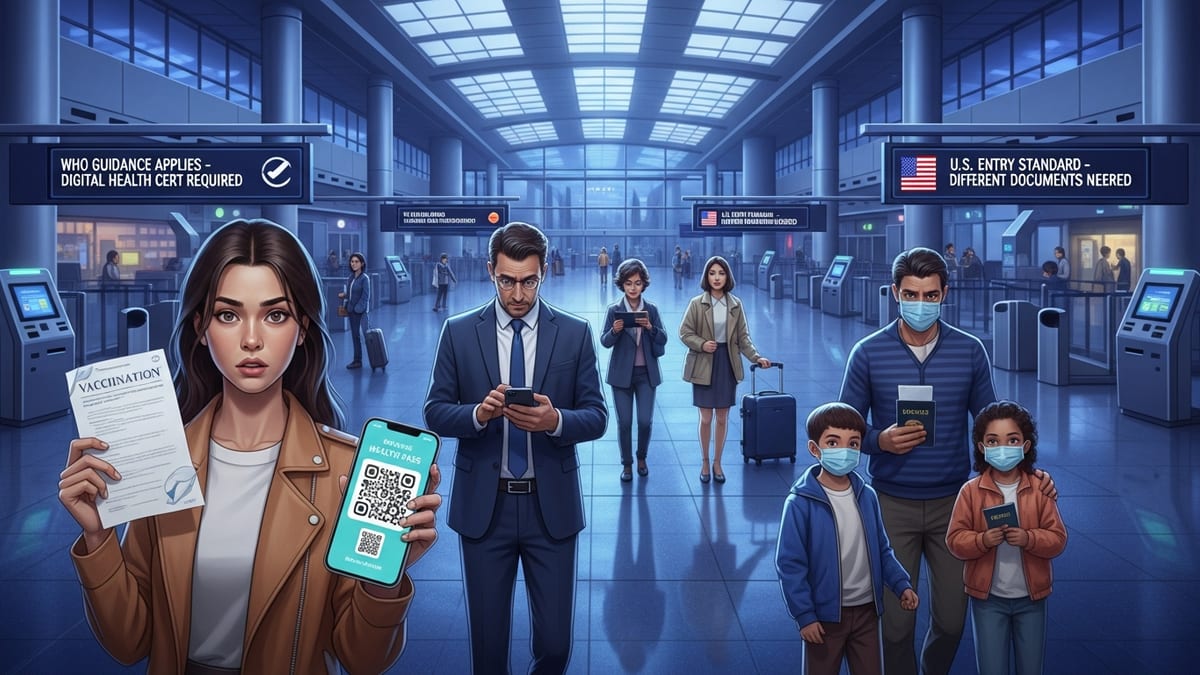
Irish holiday plans under spotlight as risk assessments shift
The Health Service Executive in Ireland has issued updated measles guidance in early 2026, highlighting the risk of importing the virus during peak travel periods. Recent public health bulletins stress that even short city breaks or family visits can involve exposure to crowded airports, rail hubs, festivals and sporting events, where the virus can spread rapidly among unprotected people.
The European Centre for Disease Prevention and Control has reported clusters of measles cases this year in several EU and EEA countries, noting that increased population movement around school breaks and public holidays can amplify transmission. While overall numbers fluctuate week by week, the agency’s communicable disease threat reports continue to list measles as an active concern ahead of the main summer holiday season.
Publicly available information from Ireland’s national health protection services points out that the country’s own vaccination coverage has fallen below the 95 percent level considered necessary to prevent sustained transmission. This creates a dual risk during holidays: residents may be exposed to measles abroad and then return home while infectious, potentially seeding new outbreaks in communities where vaccine uptake is patchy.
Travel and tourism bodies are watching developments closely, as any significant escalation in outbreaks or changes in risk assessment could trigger updated travel health notices, impact family travel decisions, and increase demand for last-minute vaccination appointments before departures.
Measles resurgence across Europe despite earlier declines
Across Europe, measles remains one of the most contagious respiratory infections in circulation, capable of infecting nine out of ten unvaccinated close contacts. Epidemiologists describe it as substantially more infectious than seasonal influenza, which helps explain how isolated introductions during holiday travel can lead to sizable outbreaks in undervaccinated communities.
World Health Organization and regional media reports indicate that measles cases, which spiked in several parts of Europe in recent years, declined during 2025 as emergency vaccination campaigns and catch-up programs took effect. However, experts caution that the apparent improvement may be temporary and uneven, with immunity gaps persisting in specific age groups and locations.
Recent data from national public health institutes, including in countries such as Spain and France, show new clusters emerging in early 2026, often linked to travel or local immunity gaps. In Spain, surveillance summaries list dozens of confirmed cases since January, including imported infections and secondary spread in households and schools. French public health updates similarly track sporadic outbreaks and remind residents that even in highly vaccinated populations, measles can circulate when pockets of insufficient coverage exist.
Regional health security bulletins for the WHO European Region continue to treat measles as a standing emergency issue, underscoring that elimination status can be lost when sustained transmission reappears. Analysts warn that recent loss of measles elimination status in several European countries is a sign of broader structural weakness in routine immunization programs.
Vaccination gaps and travel habits driving renewed spread
Investigations into recent outbreaks consistently highlight under-vaccination as the primary driver of measles spread, rather than changes in the virus itself. Routine childhood vaccination schedules across Europe typically include two doses of a combined measles, mumps and rubella vaccine, but coverage has slipped in many areas due to service disruptions, misinformation and lingering scepticism following the COVID-19 pandemic.
Travel patterns are adding complexity to the picture. Weekend city breaks, budget flights and multi-country itineraries mean individuals can pass through three or four nations in a matter of days. Measles is contagious from several days before the characteristic rash appears, so infected travelers may feel well enough to board flights, attend events and visit tourist attractions while unknowingly shedding virus.
International case reports in recent months describe scenarios in which one unvaccinated traveler infected with measles transmitted the virus to numerous others in airports and on flights, underlining how modern travel infrastructure can amplify the impact of a single imported case. Publicly available accounts from health agencies in Europe and North America show onward chains of transmission in households, schools and workplaces following such travel-related introductions.
Experts emphasize that partial vaccination coverage within a destination country does not fully protect visitors. Travelers who missed one or both doses remain at significant risk if they encounter someone infectious in transit or at their destination, particularly in crowded indoor venues, shared accommodation or mass gatherings.
What Irish and international travelers are being advised to do
Current Irish guidance encourages anyone planning trips to Europe to check their vaccination history well before departure. Adults who are unsure of their status, or who grew up during periods of lower vaccine uptake, are being urged to consult publicly available national schedules and, where recommended, arrange catch-up doses with their regular healthcare provider.
For families, travel medicine specialists commonly highlight the importance of ensuring children receive their routine measles-containing vaccines on time, with some countries recommending early vaccination for infants who will travel to areas experiencing active outbreaks. When local policies allow, an accelerated schedule may be considered for babies approaching their first birthday if international travel is imminent.
In addition to vaccination, health agencies suggest that travelers familiarize themselves with common measles symptoms such as high fever, cough, red eyes and a blotchy rash. Anyone who becomes unwell during or after a trip is advised in many national guidelines to seek medical advice by phone first, rather than turning up without warning at a clinic or emergency department, to reduce the risk of infecting others in waiting rooms.
Travel insurers and tour operators are also monitoring the situation, as outbreaks can lead to last-minute changes in itineraries or additional health screening requirements. Policy documents increasingly reference infectious disease disruptions, prompting travelers to examine the fine print of their coverage in case illness occurs before or during a holiday.
Implications for Europe’s summer tourism season
With Europe’s peak summer travel season approaching, the evolving measles picture is an important backdrop for tourism planners and destination marketers. Industry observers note that while there is currently no widespread advice against travel within Europe, the combination of persistent measles circulation and fluctuating vaccination rates could influence consumer confidence, particularly among families with young children.
Large cultural festivals, sporting tournaments and cruise itineraries are expected to draw millions of visitors across the continent in mid-2026. Event organizers may face renewed scrutiny of their health contingency plans, including how they communicate basic infectious disease precautions and respond to any reported cases among participants or staff.
European public health agencies are likely to continue promoting vaccination campaigns in the run-up to major events, as increasing population immunity remains the central strategy to limit disruption. Analysts suggest that coordinated messaging between transport hubs, tourism boards and health authorities could help ensure that travelers understand both the real risks and the practical steps available to mitigate them.
For now, the main impact on holidaymakers is logistical rather than restrictive: securing vaccination appointments in good time, budgeting for any additional pre-travel consultations, and staying alert to updates from national health services as the season progresses.