

More news on this day
Air travel across Portugal faced another day of heavy disruption on June 10, 2026, with a combined 328 flight delays and 16 cancellations reported across the country’s main airports, affecting both domestic and international routes.
Get the latest news straight to your inbox!
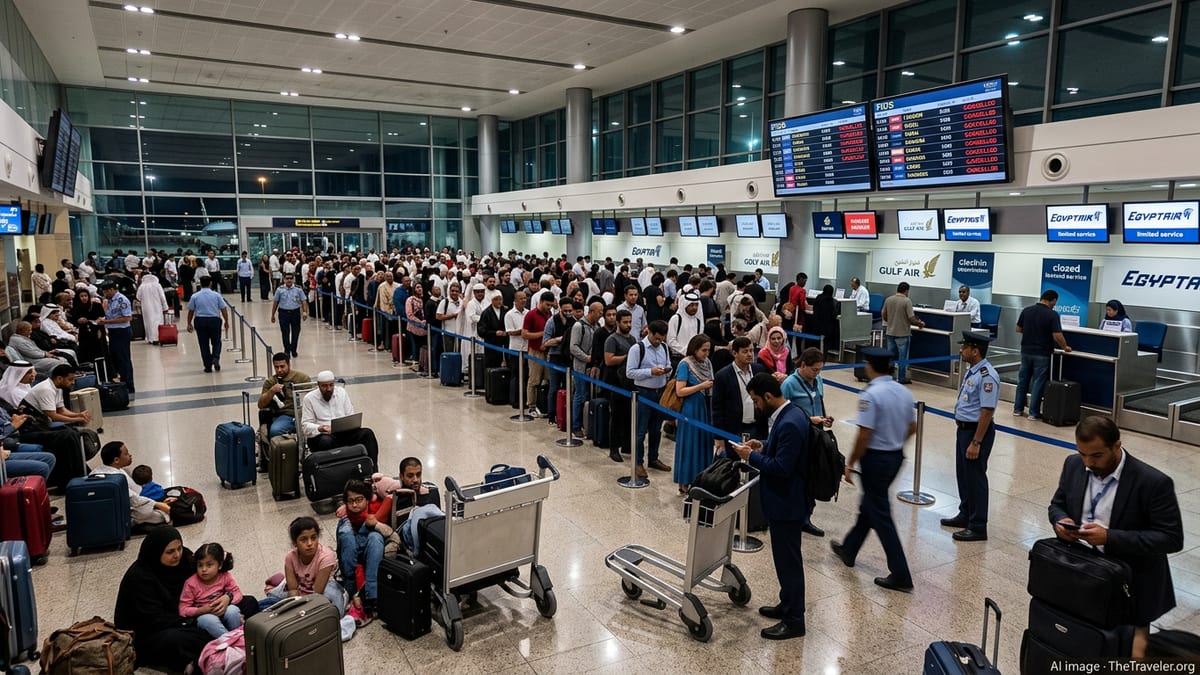
Widespread Disruptions in Lisbon, Porto and Faro
Publicly available data from airport information boards and flight-tracking platforms for June 10 indicate that Lisbon, Porto and Faro bore the brunt of the operational disruption. Lisbon Airport, the country’s busiest hub, recorded the largest share of delays as a dense schedule of departures and arrivals left little room to absorb knock-on problems from earlier in the day.
Porto and Faro, while handling smaller volumes than the capital, also showed a significant number of delayed flights, particularly during peak morning and late afternoon periods. These airports serve as critical gateways for business travel, tourism and migrant communities, magnifying the impact of each delayed or canceled rotation on connecting journeys.
The 16 cancellations logged across the network added additional pressure as affected passengers sought alternative options. With some flights operating close to capacity at the height of the summer shoulder season, same-day rebooking opportunities in and out of Portugal were limited on several routes, according to published coverage of recent schedule constraints in the country.
The disruptions came at a time when Portugal’s aviation system has already been under scrutiny for reliability challenges, with reports in recent months highlighting frequent delays at Lisbon and pressure on regional links to the Azores and Madeira.
Operational Strains and Weather Among Likely Drivers
While a single cause for the June 10 figures was not immediately identifiable from public information, the pattern of disruption is consistent with a mix of operational constraints and seasonal weather factors that have been documented across European aviation in 2026. Eurocontrol statistics for the year point to reactionary delays, air traffic management restrictions and intermittent adverse weather as recurring contributors to late departures and arrivals in the region.
Lisbon in particular has been cited in recent European delay analysis for comparatively high levels of reactionary delay, where a late inbound aircraft or crew issue triggers subsequent knock-on effects. When aircraft and crew rotations are tightly scheduled, even modest weather or airspace constraints early in the day can cascade into dozens of delayed flights by evening.
In addition to air traffic and weather, congestion in terminal and ground operations can add minutes to turnaround times. Reports from recent months have described busy check in areas, long security lines and pressure on baggage and ground handling capacity at Portugal’s main hubs during peak travel periods. Each of these factors can slow boarding or push a flight beyond its assigned takeoff slot, leading to further delay.
Industry guidance on European operations in 2026 also notes that airlines are often operating with limited spare capacity due to fleet and staffing constraints, making it harder to recover quickly from a disruption and increasing the likelihood that a heavily delayed service will eventually be canceled and rolled into a later departure.
Impact on Passengers and Knock On Effects Across Europe
For travelers, the 328 delayed and 16 canceled flights translated into missed connections, disrupted holidays and unplanned overnight stays. Portugal’s network is heavily integrated into broader European and transatlantic schedules, meaning problems at Lisbon, Porto or Faro can ripple outward to hubs such as Madrid, Paris, London and Frankfurt when connecting passengers and aircraft are delayed.
Accounts shared in recent weeks by travelers flying through Portuguese airports describe extended waits at departure gates, last minute gate changes and long queues at rebooking counters when flights are canceled. Such experiences align with typical patterns during days of widespread disruption, when customer service desks, airline apps and call centers face simultaneous spikes in demand.
Late arrival of aircraft into Portugal on June 10 also likely contributed to schedule challenges for outbound flights later in the day. When a single aircraft is scheduled to operate multiple sectors, an early delay on an inbound service can propagate through subsequent rotations, adding to the overall count of disrupted flights even after local weather or airspace issues have improved.
Some passengers caught up in similar events in recent months have turned to travel insurance and credit card protections for reimbursement of hotels, meals and alternative transport, particularly when delays extend into multiple days or require complex re-routing through other European hubs.
Passenger Rights Under EU Regulation 261/2004
The scale of disruption on June 10 is likely to bring renewed attention to passenger protections under European Union rules. Regulation 261/2004 sets out circumstances in which travelers departing from EU airports, including those in Portugal, may be entitled to compensation and assistance when flights are heavily delayed, canceled or subject to denied boarding.
Under the regulation, eligibility for financial compensation depends on the length of delay on arrival, the distance of the flight and the underlying cause of the disruption. Delays and cancellations attributed to extraordinary circumstances, such as severe weather or certain air traffic control restrictions, may exempt airlines from paying cash compensation, though they may still be required to provide care such as meals and accommodation.
For delays of several hours or more, passengers departing from Portugal’s major airports are generally entitled to assistance that can include food and drink vouchers, access to communication and, in some cases, hotel stays if an overnight wait is required. Published consumer guidance urges travelers to keep receipts for any out of pocket expenses, obtain written confirmation of the delay or cancellation and submit claims directly to the operating carrier.
Specialist consumer organizations across Europe have reported a growing volume of claims related to flight disruptions in 2025 and 2026, reflecting both heightened traveler awareness of EU rights and the persistence of operational challenges across the continent’s aviation network.
What Travelers Using Portuguese Airports Should Expect Next
The disruption recorded on June 10 adds to a series of difficult days for air travelers in and out of Portugal in recent weeks, particularly on routes connecting the mainland with island regions and major European hubs. Travel industry analysis suggests that punctuality at some European airports remains fragile, with relatively small interruptions still capable of causing large swings in daily delay statistics.
Passengers with upcoming flights through Lisbon, Porto, Faro or other Portuguese gateways are widely advised by airlines, consumer advocates and airport information channels to build in extra time at the airport, monitor their flight status frequently and consider the potential for missed connections when planning tight itineraries. Early morning departures are often highlighted by analysts as less exposed to the kind of reactionary delays that build up later in the day.
Travel planning resources also recommend that passengers familiarize themselves with the disruption and compensation policies of the airline operating each leg of their journey, as these can differ between full service and low cost carriers. Understanding the distinction between assistance and compensation under EU rules can help travelers make informed decisions if they face long delays or cancellations similar to those seen across Portugal’s airports on June 10.
With the peak summer season approaching, aviation observers note that sustained improvements in on time performance in Portugal will likely depend on a combination of measures, including better alignment of schedules with available airport and air traffic capacity, continued investment in infrastructure and efficient handling of any industrial or weather related disruptions that emerge in the coming weeks.