


When a friend in Munich told me he “paid for half his Rome weekend with PAYBACK points,” I assumed it was the usual loyalty-program exaggeration. Then he pulled out a slim blue card with an American Express logo and the PAYBACK logo side by side. It was the PAYBACK American Express credit card, a product I had always dismissed as yet another store-linked card with strings attached. A few months and several trips later, I had to admit I was wrong. Once I compared the benefits in real travel scenarios, this no-annual-fee card turned out to be far more powerful than I expected.
Get the latest updates straight to your inbox!
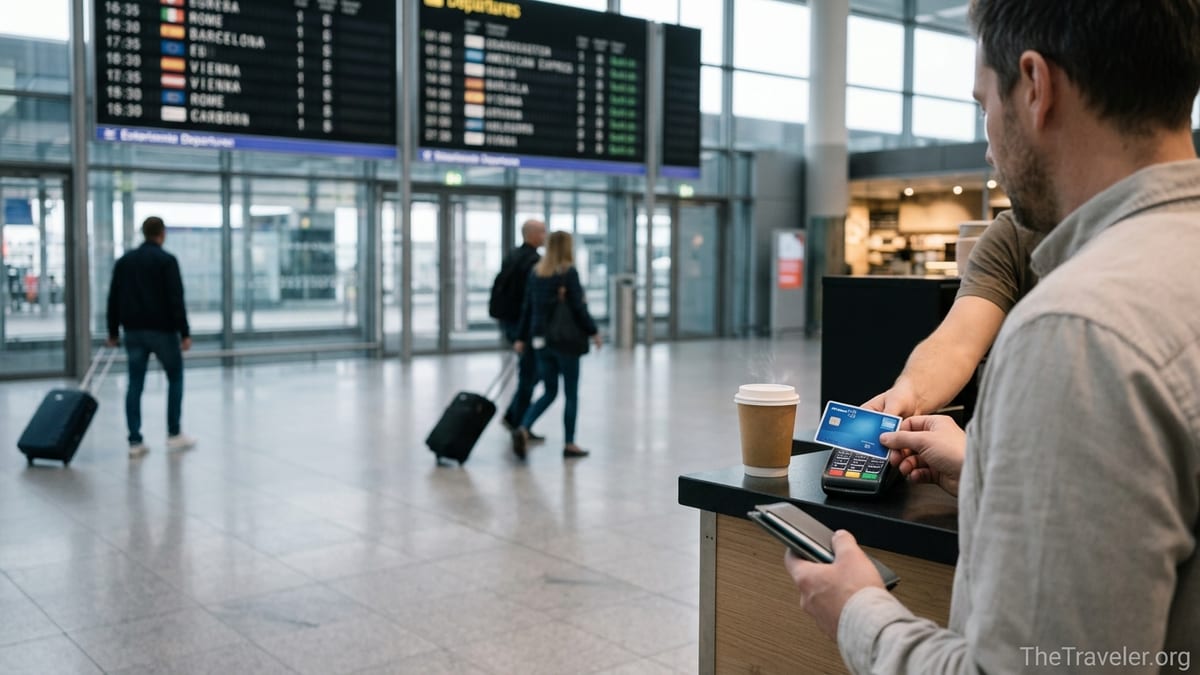
From Skeptic to Cardholder: Why This Card Deserves a Second Look
My initial doubts about the PAYBACK American Express card were simple. It looked like a niche German loyalty product, and I assumed the earning rates would be poor, the acceptance limited and the small print full of catches. As a frequent traveler used to premium cards with chunky annual fees, a free card that promised “double points” sounded more like marketing than meaningful value.
The turning point came when I actually went through the details. In Germany the PAYBACK program is the country’s largest loyalty scheme, with tens of millions of active users and hundreds of partners, from supermarkets and drugstores to fuel stations and online retailers. With the PAYBACK American Express card, you earn PAYBACK points on every euro you spend with the card plus the regular PAYBACK points when you shop at partner stores. Suddenly the “double” promise was not just a slogan but a mechanism you can feel in day-to-day spending.
What made me take it seriously was the combination of a zero annual fee, the ability to earn on virtually all card spending and the strong partner network. Unlike many co-branded cards that only shine in one narrow category, this one quietly boosts returns on the boring expenses that make up most travelers’ budgets: filling up on the motorway, buying toiletries before a flight, stocking the fridge between trips or paying for hotel nights booked through regular travel sites.
In practice, my skepticism faded the first month I tried it. I used the PAYBACK American Express for everything I could in Germany: a 120 euro grocery run, 60 euros at a drugstore, 80 euros in fuel on the A8, a 250 euro hotel night in Hamburg and a 45 euro Deutsche Bahn ticket. Watching PAYBACK points land both from partners and from the card itself made it obvious that this was not just a loyalty gimmick but a legitimate way to stretch a travel budget.
How PAYBACK and American Express Work Together Day to Day
The core appeal of the PAYBACK American Express card lies in how it layers earnings. On standard card spending you collect PAYBACK points for every euro that goes through the card. When you shop with PAYBACK partners on top of that, you also receive the regular store-based points shown on your coupon or in the PAYBACK app. In a typical week this might mean earning from your supermarket run, your drugstore haul, your fuel stop and your online booking, without having to think about separate loyalty cards for each brand.
Consider a realistic travel week starting and ending in Munich. On Monday you stock up at a major German supermarket chain that participates in PAYBACK and spend around 90 euros on snacks, toiletries and picnic supplies for a road trip to Lake Garda. You scan your PAYBACK barcode and pay with the PAYBACK American Express card. The supermarket credits you its usual PAYBACK points on the 90 euros, and American Express adds card-based points for the same 90 euros. You have effectively earned twice on that single basket, without paying a fee for the card itself.
Later in the week you pull into a PAYBACK-participating fuel station near Brenner Pass and spend 70 euros on fuel. Again you scan your PAYBACK number at the pump or inside the shop, then tap the American Express card. The fuel station logs loyalty points, and American Express logs card points. If you activated a fuel coupon in the PAYBACK app beforehand, the multiplier stacks on top, further boosting your total. It is in these mundane, repeatable transactions that the card’s value really accumulates.
Back home on Sunday, you sit down to book your next city break, perhaps a 220 euro long weekend in Lisbon. Many PAYBACK partners include prominent online travel agencies and hotel portals, so you can log into your PAYBACK account, click through to your preferred site, book the hotel and pay with the PAYBACK American Express. You earn partner points from the portal, plus the regular card points. The booking itself might not look special, but over a year of similar habits you can end up with enough PAYBACK points to offset one or two hotel nights or a chunk of airfare.
Stacking Points: What “Double Dipping” Looks Like in Real Numbers
To understand why a traveler might rethink this card, it helps to visualize realistic numbers. Imagine you live in Cologne and spend a year using the PAYBACK American Express for most of your card-eligible expenses in Germany. You put approximately 1,000 euros a month on the card: 400 euros in supermarkets and drugstores, 150 euros in fuel, 250 euros in travel bookings and 200 euros in general shopping and dining.
When those 400 euros each month go through major PAYBACK partners like a nationwide supermarket chain and a drugstore chain, you earn the base PAYBACK points at the till and then, on top, card-based PAYBACK points for the full spend. Fuel from a PAYBACK-partner station near your home adds the same dual stream. Travel bookings via PAYBACK-linked portals or well-known online travel agencies bring in another layer whenever they run promotional multipliers. Even when you buy a train ticket from Deutsche Bahn or pay for a budget hotel that is not in the partner network, the card still earns base PAYBACK points because it sees the charge as regular card spend.
By the end of twelve months a typical household with these spending patterns may have collected a noticeable balance of PAYBACK points, often enough to cover at least one intra-European flight at a low-cost carrier’s sale fare or a couple of off-season nights at a midscale city hotel. The exact conversion rates and offers fluctuate, but the crucial point is that the value came from everyday outlays you would have made anyway: groceries before an early flight, sunscreen at a drugstore on the way to an alpine hike, fuel during a weekend road trip to the Moselle valley.
The psychological impact of this accumulation is interesting. I found that once I saw a Rome flight effectively reduced by the points from a year of normal living, the PAYBACK American Express card stopped feeling like a “niche German card” and more like a quiet engine behind my regional travel. In a world where many loyalty schemes offer flashy sign-up bonuses but disappointing long-term value, this card’s steady, predictable earning structure began to feel refreshing.
On the Road: Real Travel Scenarios Where the Card Shines
One of the first trips where I noticed the difference was a long weekend around Lake Constance. Starting from Stuttgart, I filled up at a PAYBACK-partner fuel station, grabbing a coffee and a snack in the shop. Both the fuel and the coffee triggered base PAYBACK points at the till, while the PAYBACK American Express card registered the entire transaction for additional card-based points. Later that day we stopped at a familiar German drugstore chain in Friedrichshafen to buy travel-sized sunscreen and toiletries before taking the ferry across the lake. Again, scanning my PAYBACK barcode and paying with the card stacked the earnings.
Two weeks later I flew from Frankfurt to Barcelona. Before the flight I used the card to pay for a 70 euro train ticket to the airport, a modest airport café breakfast and a last-minute 25 euro purchase of a plug adapter and a travel pillow at an electronics and accessories shop. None of these merchants were PAYBACK partners, but they still counted as card spend, nudging the PAYBACK balance higher. The hotel in Barcelona, booked earlier through an online travel agency that occasionally runs PAYBACK promotions, added another wave of points when the transaction hit my statement.
For longer trips the picture becomes even clearer. I met a couple from Hamburg who had used the PAYBACK American Express card consistently over several years. Their pattern was similar: regular supermarket runs at PAYBACK-partner chains, fuel for frequent drives down to the Alps and hotel bookings routed through portals that credited PAYBACK. Every second or third year, they redeemed a chunk of those points to reduce the cost of a family holiday, usually flights to the Canary Islands or Greece at shoulder season prices. They were not mileage experts or credit card enthusiasts. They simply built a habit around one free card tied to Germany’s dominant loyalty program.
Even business travelers can find niches where this card helps. A consultant based in Düsseldorf told me he uses a premium American Express card for overseas flights and high-end hotels, but keeps a PAYBACK American Express card as a backup for domestic expenses where he wants PAYBACK points instead of global airline miles. For him, grabbing a sandwich at a PAYBACK-partner bakery chain between meetings or refueling a rental car on the way back to the airport always includes a quick scan of his PAYBACK number and a tap of the PAYBACK American Express card.
Where the PAYBACK American Express Card Falls Short
No card is perfect, and anyone considering this one should be clear-eyed about its weaknesses. The first is acceptance. While American Express acceptance in Germany and across Europe has improved, it still trails behind Visa and Mastercard in many smaller shops, independent cafés and municipal services. On a recent trip through smaller Bavarian towns, I found that some guesthouses and mountain huts did not accept American Express at all, which meant paying by debit card or cash and missing out on PAYBACK card points for those spends.
A second limitation is travel insurance. Unlike premium American Express products that bundle extensive trip cancellation, baggage and medical coverage, the PAYBACK American Express card is positioned as a free everyday card. Cardholders should not assume that it provides the same level of travel protection as a high-fee Platinum or Gold card. If your trip to Thailand or the United States is expensive or complex, it is usually wise to purchase a dedicated travel insurance policy and treat any card-related protection as secondary rather than primary.
Foreign transaction fees are another practical concern. Many region-specific cards, especially those without annual fees, charge a percentage on purchases in a foreign currency. Travelers who frequently pay in US dollars, British pounds or Swiss francs may find that a separate card with no foreign transaction fees is more appropriate for non-euro spending, using the PAYBACK American Express mainly for domestic purchases or euro-denominated bookings where the fee does not apply.
Lastly, while PAYBACK is a powerful loyalty ecosystem within Germany and parts of Europe, its reward structure is not as flexible as global airline programs or bank points that can be transferred to multiple partners. If your main travel strategy revolves around business-class flights on international carriers, you may find more value in cards that earn transferable points instead. The PAYBACK American Express is best understood as a way to subsidize practical travel costs such as short-haul flights, hotel nights and fuel, particularly within Europe, rather than as a tool for aspirational luxury redemptions.
Who Actually Benefits Most From PAYBACK American Express?
To decide if this card fits your wallet, it helps to map your lifestyle against how PAYBACK operates. The ideal cardholder lives in Germany or spends significant time there, shops frequently at PAYBACK partner brands and appreciates small, regular savings on travel rather than chasing premium cabin flights. Think of a family in Frankfurt who fills up at a PAYBACK-partner fuel station every week, buys groceries at a PAYBACK-affiliated supermarket, picks up cosmetics at a PAYBACK-partner drugstore and books both domestic and European city breaks through online travel agencies that appear in the PAYBACK partner world.
Students and young professionals are another group that can squeeze surprising value from this card. Many of them hesitate to pay an annual fee for a premium product but happily put 300 to 600 euros a month on a card for rent, transit passes, train tickets, streaming subscriptions and travel. For someone commuting between Berlin and Hamburg by train, making regular grocery trips and booking occasional low-cost carrier flights out of Berlin Brandenburg Airport, the PAYBACK American Express card can convert that modest but consistent flow of spending into a yearly stash of points to discount a summer trip.
Frequent drivers gain particular value if they align their fuel stops with PAYBACK partner stations. A sales representative covering southern Germany, for example, might fill up several times a week on the motorway network, grab snacks and drinks in partner station shops and occasionally book last-minute roadside hotels. These drips of spending accumulate quickly when every euro is double counted through the PAYBACK partnership and the card.
On the other hand, if you rarely shop at PAYBACK partners, dislike loyalty programs or spend most of your time outside Germany in places where American Express is less accepted, the card’s strengths fade. A digital nomad who spends most months in Southeast Asia or Latin America, relying on local cafés and guesthouses that often accept only cash or basic international cards, will not see the same benefits as a family based in Munich that rarely leaves the euro area.
Practical Tips to Maximize Value on Your Next Trip
Once you have the PAYBACK American Express card, the key to getting real-world value is to deliberately route your normal spending through PAYBACK partners without going out of your way or overspending. Before a trip, open the PAYBACK app and look at the current coupons. If you see a five-times or ten-times multiplier for a supermarket, drugstore or fuel chain you already plan to use on your journey, activate it. Then, when you shop, remember the two-step: scan your PAYBACK barcode and pay with the PAYBACK American Express card.
When booking flights or hotels, start from the PAYBACK partner world in the app or on the main platform. From there you can click through to major travel portals and airlines that sometimes offer bonus points for bookings. Pay with your PAYBACK American Express card so that, again, you earn both the partner bonus and the base card points. For example, booking a 350 euro family hotel stay in Vienna through a PAYBACK-linked portal during a multiplier promotion can generate a surprisingly large points haul when combined with card spending.
On the road, keep a backup payment method for places that do not accept American Express, but default to the PAYBACK American Express whenever it works. In practice this might mean using the PAYBACK card at larger chain hotels, chain restaurants, supermarkets, fuel stations and train ticket machines, while keeping a Visa or Mastercard with no foreign transaction fees for smaller cafés, museums and local attractions where American Express is not taken.
Finally, do not let points sit idle forever. PAYBACK points can be redeemed in several ways, including vouchers, merchandise and, importantly for travelers, travel discounts through participating portals and partners. Many travelers find the best sense of value when they apply points directly to concrete travel costs: taking 30 or 40 euros off a city hotel bill, reducing the price of a budget airline ticket to a European capital or covering part of a rental car for a long weekend. Turning invisible points into a tangible saving on a specific trip reinforces the habit of using the card strategically.
The Takeaway
My early skepticism about the PAYBACK American Express card came from treating it as yet another store-branded piece of plastic. What changed my mind was seeing how it performs over months of real travel-focused spending inside Germany and nearby Europe. The combination of zero annual fee, broad PAYBACK partner coverage and the ability to earn points on virtually all card transactions means that it behaves less like a gimmick and more like an efficient, background savings tool for frequent travelers based in Germany.
This card will not replace a premium travel card for those who need airport lounge access, comprehensive travel insurance or flexible airline and hotel transfer partners. It will not magically erase foreign transaction fees on a long journey through non-euro countries. Yet for a large group of everyday travelers, families, commuters and road-trippers, the PAYBACK American Express card quietly tilts the numbers in their favor. When a long weekend flight or two hotel nights every couple of years are effectively paid by points earned on groceries, fuel and online bookings, even hardened skeptics may find themselves sliding this blue card to the front of their wallet.
FAQ
Q1. Is the PAYBACK American Express card really free to hold?
The PAYBACK American Express credit card is typically offered without an annual fee, making it accessible to many travelers who want to earn PAYBACK points without a recurring cost.
Q2. How do I earn PAYBACK points with the PAYBACK American Express card?
You earn PAYBACK points on every eligible euro you spend with the card, and when you shop at PAYBACK partner stores you also receive the regular partner points, effectively stacking the two.
Q3. Where is the PAYBACK American Express card most useful for travelers?
The card is most valuable in Germany and neighboring European countries where PAYBACK partners are widespread, particularly at supermarkets, drugstores, fuel stations and online travel portals.
Q4. Does the PAYBACK American Express card include travel insurance?
The PAYBACK American Express is primarily a rewards card and does not usually include the extensive travel insurance packages found on higher-fee premium American Express products, so separate coverage is often advisable.
Q5. Can I use the PAYBACK American Express card outside Germany?
You can generally use the card wherever American Express is accepted globally, but acceptance varies by country and some foreign purchases may incur additional fees, so a backup card can be useful.
Q6. What kind of trips can I realistically fund with PAYBACK points?
Most cardholders use PAYBACK points to reduce the cost of short-haul flights, hotel nights or rental cars within Europe rather than for long-haul premium cabin flights.
Q7. How do I redeem PAYBACK points for travel?
Points can usually be redeemed through the PAYBACK platform or app, often by applying them toward travel bookings made via participating portals or by converting them into vouchers that offset travel expenses.
Q8. What are the main drawbacks of the PAYBACK American Express card for travelers?
The main downsides are limited American Express acceptance at smaller merchants, potential foreign transaction fees and the lack of the comprehensive travel perks found on high-end cards.
Q9. Who is the PAYBACK American Express card best suited for?
It suits people who live in Germany, frequently shop at PAYBACK partners, drive regularly and take occasional domestic or European trips, and who prefer a no-fee card that steadily offsets everyday travel costs.
Q10. Should I keep other cards if I use the PAYBACK American Express for travel?
Many travelers pair the PAYBACK American Express with at least one Visa or Mastercard, often one without foreign transaction fees, to ensure broader acceptance and complementary benefits on international trips.