


More news on this day
Drivers crossing northern Illinois over the Labor Day weekend are being urged to pack extra patience along with their luggage, as the Illinois Tollway braces for more than 8.5 million vehicle trips and promotes a safety-first message for one of the year’s busiest travel periods.
Get the latest news straight to your inbox!
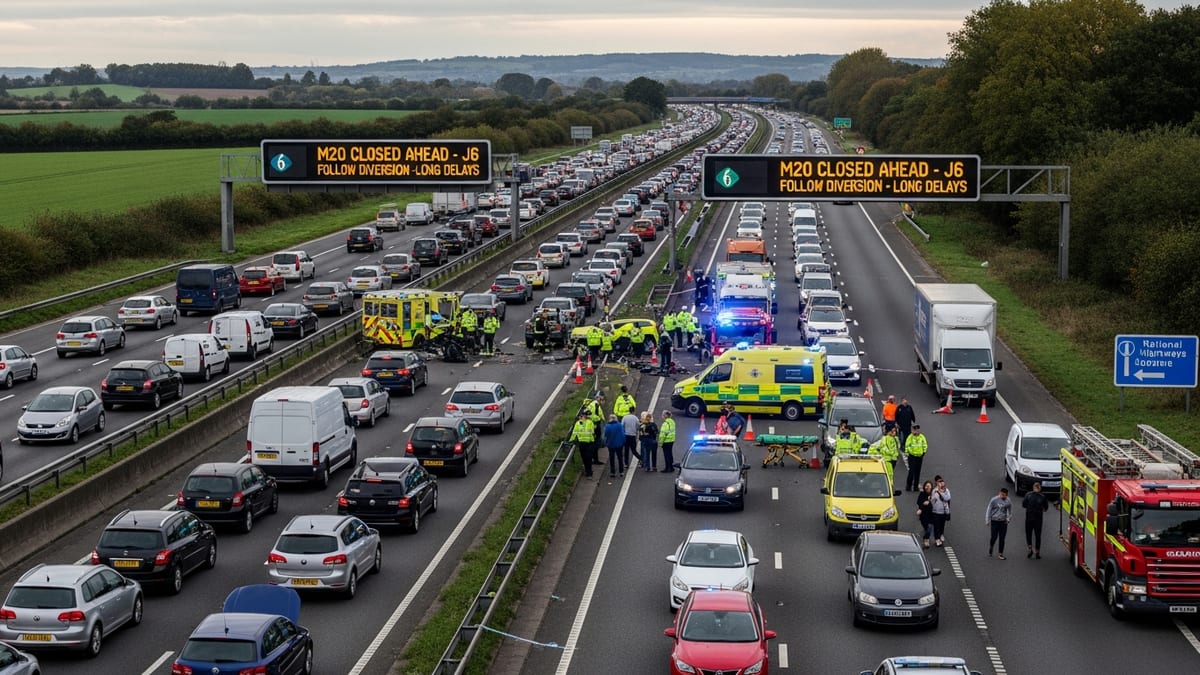
Record holiday traffic expected across the Illinois Tollway
Publicly available projections indicate that more than 8.5 million vehicles were expected to travel on the Illinois Tollway system over the extended Labor Day weekend in 2026, making it one of the most heavily used stretches of highway in the Midwest during the end of summer period. The estimate covers the full network of toll roads serving the Chicago metropolitan region and its surrounding suburbs, a corridor that connects local communities as well as cross country travelers.
Coverage of the forecast notes that Labor Day remains a peak driving holiday, with many residents choosing regional road trips over longer haul flights. That trend has kept demand high on major arteries such as the Tri State Tollway and the Jane Addams Memorial Tollway, where steady volumes of passenger vehicles mix with commercial freight traffic moving through the Chicago area.
Traffic data from recent holiday periods shows that even modest increases in volume can significantly slow travel times at interchanges and key junctions. Transportation analysts point to this pattern in explaining why agencies across the country, including the Illinois Tollway, continue to issue targeted safety messages around summer and holiday weekends when congestion is most likely.
Reports on the 2026 Labor Day outlook also align with broader national trends. Industry trackers have highlighted sustained demand for leisure road travel, supported by relatively stable fuel prices compared with earlier spikes and by lingering traveler preference for flexible, drive to destinations.
“Sit Tight. Choose Right.” message targets roadside incidents
In advance of the holiday period the Illinois Tollway promoted a campaign built around the phrase “Sit Tight. Choose Right.”, encouraging drivers to stay in their vehicles and make careful choices if a breakdown, fender bender, or other unexpected incident occurs on the roadway. According to published coverage, the initiative is designed to reduce the risk of secondary crashes that can occur when people exit vehicles on high speed roads or attempt to cross active lanes.
Safety guidance highlighted through the campaign reiterates long standing recommendations circulated by transportation and safety organizations. These include moving a disabled vehicle as far as safely possible onto the shoulder, activating hazard lights, and contacting roadside assistance or emergency services rather than trying to walk along the roadway. Public information emphasizes that remaining inside a stopped vehicle with seatbelts fastened is often safer than standing outside near fast moving traffic.
The “Sit Tight. Choose Right.” slogan is also being framed as a reminder for drivers to plan ahead and make deliberate choices before starting their trips. That includes checking fuel levels, tire pressure, and navigation routes in advance in order to reduce the likelihood of unplanned stops on busy segments of the tollway system.
Similar safety themed campaigns have been used by transportation agencies in other states during heavy travel weekends. While the language varies, the focus typically remains on preventing injuries that occur not in the initial crash but in the risky moments afterward, when visibility may be limited and approaching drivers may not anticipate pedestrians near stalled vehicles.
Suburban drivers face unique congestion pinch points
Reports about expected Labor Day conditions on the Illinois Tollway note that congestion is not limited to downtown Chicago approaches. Many of the most heavily used interchanges and ramps are located in the collar counties, where suburban commuters, shoppers, and vacationers converge at key junctions such as the I 88 and I 355 corridors.
Publicly available traffic analyses describe how growth in suburban employment centers and logistics hubs has shifted some pressure away from the city core and into outlying areas. Warehouses, intermodal yards, and large retail complexes generate steady traffic throughout the week, and this baseline flows into holiday peaks when additional leisure travelers take to the road.
Transportation planners have pointed to these patterns as a reason for continuing investments in ramp improvements, wider shoulders, and updated signage across the tollway network. While most of these projects are scheduled outside of major holiday weekends, lane shifts and reduced speed zones from ongoing work can still affect travel times, particularly when combined with heavy volumes.
For holiday drivers, this means that congestion can appear in unexpected locations, even far from downtown Chicago. Public traveler information services advise allowing extra time, checking for construction updates, and being prepared for slowdowns near suburban interchanges that serve large retail or entertainment districts.
Travelers urged to use digital tools and plan ahead
According to regional transportation information services, the Illinois Tollway and partner agencies promote a range of digital tools to help drivers navigate peak periods such as Labor Day weekend. These include roadway condition maps, travel time estimates, and alerts about incidents or lane closures along key routes.
National travel organizations note that real time navigation apps, where users share incident reports, have become an important supplement to official highway updates. When used together, these tools can give drivers a clearer view of evolving conditions, allowing them to adjust departure times, choose alternate routes, or delay trips to avoid the worst congestion.
Advance planning is repeatedly highlighted in public guidance. Drivers are encouraged to schedule refueling and rest stops before entering the most congested stretches of tollway, particularly when traveling with children or older adults who may need additional breaks. Having drinks, snacks, and basic emergency supplies in the vehicle can also make extended delays more manageable.
Travel experts point out that planning ahead is not only about saving time. Well prepared drivers may be less likely to make sudden lane changes, abrupt exits, or other risky maneuvers in response to backups, which contributes to overall roadway safety during peak holiday periods.
Safety messaging reflects broader U.S. holiday travel trends
The Illinois Tollway’s focus on patient, safety conscious driving for Labor Day reflects broader patterns in U.S. holiday travel. National motorist organizations and federal transportation agencies routinely publish reminders about speeding, impaired driving, and distraction in the weeks leading up to major long weekends.
Recent federal statistics show that summer and holiday periods remain associated with elevated crash and fatality numbers, even as newer vehicles gain advanced driver assistance features. Analysts attribute this in part to higher exposure, as more vehicles are on the road for longer distances, and in part to behavior such as late night driving after social gatherings.
Public information campaigns around events like Labor Day therefore emphasize multiple layers of safety. In addition to roadside behavior guidance such as “Sit Tight. Choose Right.”, messaging frequently calls for designated drivers, buckled seatbelts, compliance with work zone speed limits, and avoiding handheld device use while driving.
For travelers heading into or through northern Illinois, the 2026 Labor Day weekend combined record or near record traffic expectations with a concerted push to encourage calm, prepared driving. The combination of high demand and proactive messaging illustrates how road travel in the region continues to balance economic activity, leisure mobility, and safety priorities at the close of the summer season.
Illinois Tollway Labor Day travel campaign coverage