


More news on this day
Israel has issued a fresh travel warning for citizens in France and those planning to visit, citing nationwide protests over the cost of living, recent outbreaks of violence in several cities and the risk of renewed unrest around upcoming demonstration dates.
Get the latest news straight to your inbox!
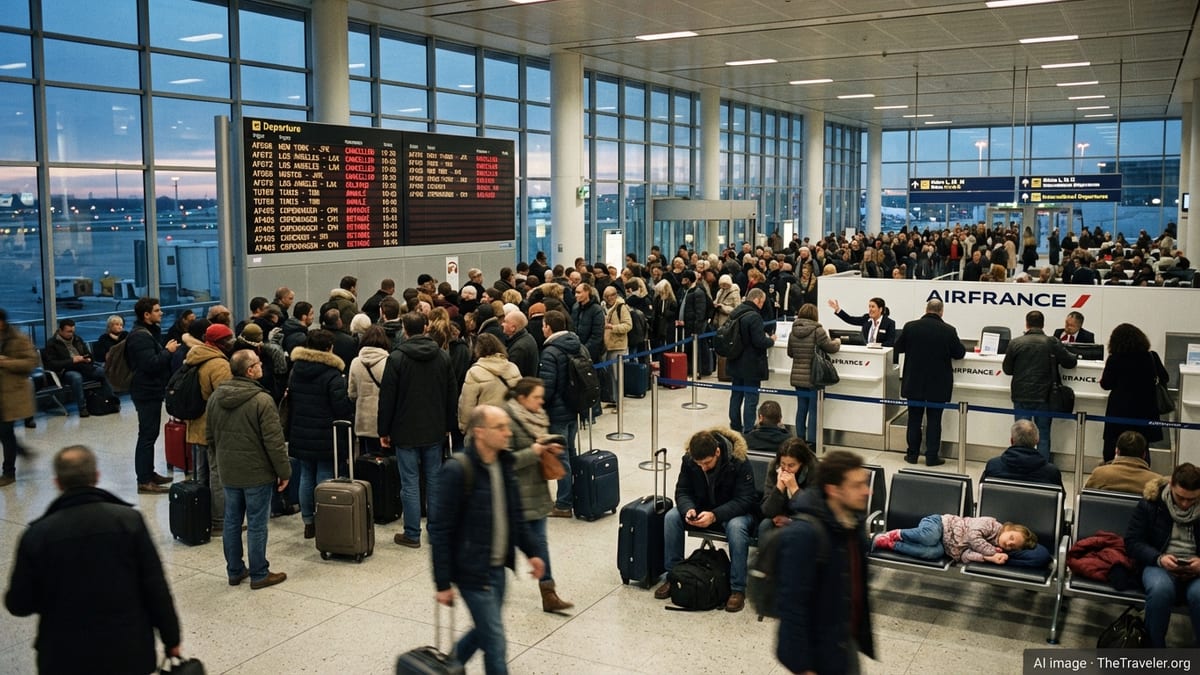
Advisory Follows Violent October Protests and Planned New Rallies
According to publicly available information from Israeli and international media, the updated advisory was released on October 23, 2026, less than a week after large demonstrations on October 17 over living costs and education funding led to rioting, looting and arson in parts of France. Reports describe burned cars, damaged shopfronts and attacks on public buildings in several urban centers.
Coverage on Israeli news channels and French outlets indicates that authorities in France are preparing for further mass demonstrations, particularly around a nationwide day of action on October 24 and additional events expected into early November. In response, Israel’s guidance highlights a heightened risk of sudden clashes in city centers, even at gatherings that begin peacefully.
The advisory does not impose a blanket ban on travel to France but frames the situation as fluid, emphasizing that protest routes, police deployments and local restrictions may change at short notice. Publicly available summaries of the guidance state that Israelis should “exercise caution,” remain alert in crowded public spaces and avoid any protest sites.
The warning also appears against a wider backdrop of concern over antisemitic incidents in Europe and a general rise in political tensions around the anniversary of the October 7 attacks. Prior notices from Israeli bodies have pointed to this period as a time when both organized attacks and spontaneous street violence are considered more likely.
Key Recommendations for Israeli Travelers in France
Summaries of the advisory circulated in Israeli and French media outline several specific recommendations for citizens already in France or planning to arrive in the coming days. Travelers are urged to avoid demonstration areas entirely, including apparently peaceful rallies and marches that might be tempting to observe or photograph.
The guidance also advises visitors to stay informed about protest timetables and locations in the cities they plan to visit. Travelers are encouraged to monitor local news, follow updates from municipal authorities and transport operators, and check the security situation in advance, especially around central squares and common rally points in Paris, Marseille, Lyon and other major cities.
Public information linked to the advisory notes a risk of disruption to public transport during major protest days. Travelers are advised to expect closures or diversions on tram and bus lines that pass near demonstration routes, possible temporary shutdowns of metro stations, and heavier security controls at railway hubs.
In addition, the advisory highlights the possibility of local curfews or movement restrictions being introduced at short notice in areas that have experienced violence or looting. Tourists are encouraged to confirm whether any evening curfew applies in the neighborhood where they are staying and to carry identification at all times.
How the Situation in France Looks for Tourists
Publicly available travel guidance from several countries continues to rate France as a destination where visitors should exercise increased caution rather than avoid travel altogether. Official foreign travel pages note recurring demonstrations and strikes, particularly in Paris and other large cities, but also emphasize that most visits to France remain trouble free when basic safety measures are followed.
Recent reporting from French media and international outlets describes a visible security presence in the capital and some regional cities, with large deployments of law enforcement planned for the weekend of October 24. Ahead of major protest days, high-profile cultural sites such as the Louvre and several other national museums have announced temporary closures for security reasons, affecting sightseeing plans for some visitors.
Travel industry representatives quoted in French economic coverage acknowledge damage to shops and tourism infrastructure in a number of neighborhoods but stress that key attractions including the Eiffel Tower, the Champs Élysées and major regional landmarks remain open outside of specific protest windows or targeted strikes. Industry figures express concern about cancellations from nervous travelers abroad but report that bookings overall have not collapsed.
Accounts shared on public travel forums suggest that many visitors in Paris during recent demonstrations were able to continue their trips with limited disruption by avoiding known protest routes and adjusting timings. However, some travelers reported exposure to tear gas near major squares and temporary closures of attractions on days when marches turned violent, underscoring the importance of checking conditions daily.
Practical Advice for Israelis and Other Visitors on the Ground
For Israeli citizens currently in France, the new advisory effectively raises the security awareness level rather than calling for an immediate departure. Publicly accessible summaries underline simple precautionary measures such as steering clear of political gatherings, refraining from filming or engaging with demonstrators, and avoiding arguments in public over sensitive topics.
Travelers are also encouraged to plan routes that bypass traditional protest hotspots in Paris, including major squares and boulevards that frequently host marches. On designated protest days, taking the metro beneath rally routes is often described in local advice as less exposed to disruption than relying on surface transport, where buses and trams may be diverted or halted for several hours.
Visitors planning day trips by rail are advised to build in extra time for potential delays, especially when traveling to or from Paris on busy weekends. Reports on recent events mention crowding and occasional bottlenecks at central stations during large demonstrations, even when train services continue to operate.
Public travel advice from various governments also notes the value of keeping digital copies of identification and travel documents, registering contact details with consular services where that option exists, and ensuring that travel insurance covers delays or cancellations linked to civil unrest.
Wider Context of International Advisories on France
Israel’s updated warning comes as several countries reassess their own travel advice for France following the violent turn of some October protests. Travel pages from North American and European governments list France at an intermediate alert level, generally recommending increased caution due to both the risk of terrorism and the frequency of large-scale demonstrations.
In these advisories, France is portrayed as a destination where protest activity is a regular feature of public life, with marches and strikes sometimes affecting transport, public services and access to tourist sites. The recent unrest, however, has drawn particular attention because of looting in shopping districts and the burning of municipal buildings in a number of cities.
For tourism operators, the main concern highlighted in recent business reporting is reputational rather than operational. Travel agencies and hotel groups note that iconic images of violence circulating internationally can weigh on traveler sentiment even when disturbances are limited to specific neighborhoods and dates.
For now, publicly available information suggests that France remains open to visitors, including Israelis, but with a more complex security picture than in previous autumn seasons. The updated Israeli travel warning seeks to reflect that reality by urging citizens not to cancel plans automatically, but to approach upcoming trips with heightened awareness, flexible itineraries and close attention to local developments.