


More news on this day
The United States has raised its travel advisory for Kenya to Level 3, urging travelers to reconsider trips to the East African nation, a move that directly affects some of the world’s best-known safari circuits during the upcoming high season.
Get the latest news straight to your inbox!
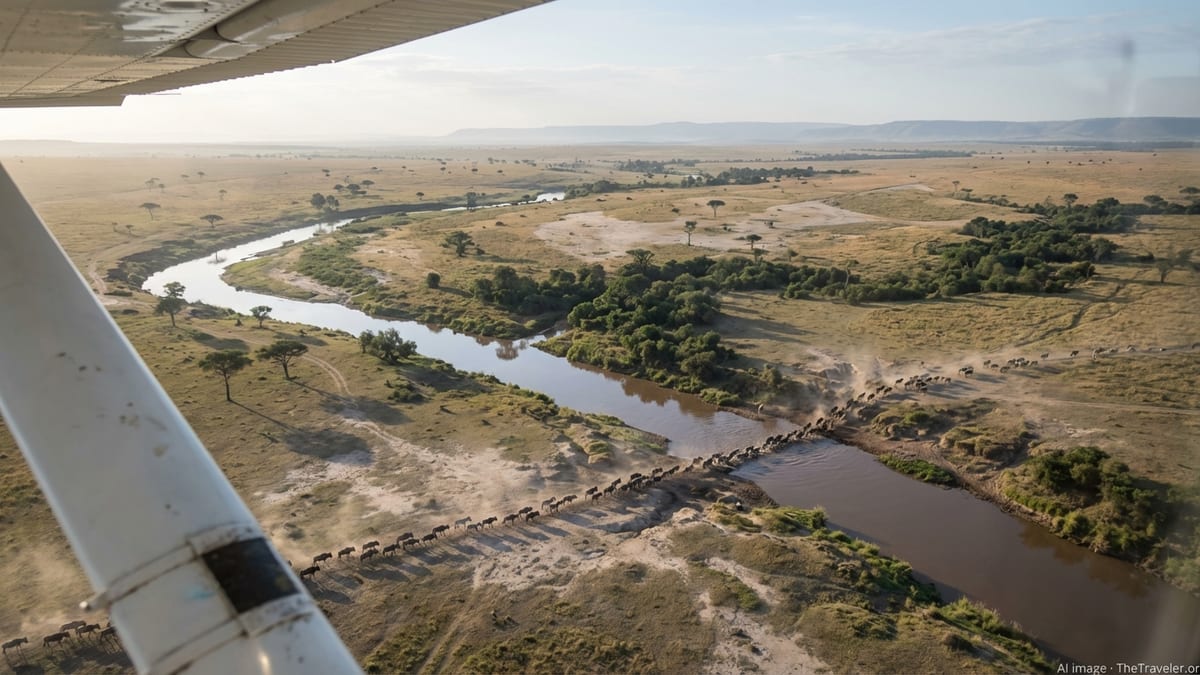
Advisory Shift Targets a Flagship Safari Destination
According to publicly available information from the U.S. Department of State, Kenya’s overall advisory level was increased from Level 2 (Exercise Increased Caution) to Level 3 (Reconsider Travel) on October 19, 2026. The updated guidance cites a combination of crime, kidnapping, terrorism, unrest, health concerns and traffic safety as key risk indicators.
Kenya is one of Africa’s most visited wildlife destinations, home to marquee parks such as the Maasai Mara National Reserve, Amboseli National Park and Tsavo National Park. The change in advisory level therefore draws particular attention from travelers planning big-ticket safaris that often book out many months in advance.
The revised notice emphasizes that some parts of the country present higher risks than others. It explicitly advises against travel to specific Nairobi neighborhoods, including Eastleigh and Kibera, and to several counties along Kenya’s northern and coastal frontiers, where kidnapping and terrorism risks are assessed as elevated.
While the Level 3 designation applies to Kenya as a whole, the advisory framework allows for variation within a country. In practice, that means heavily visited wildlife areas in the southwest may not face the same risk profile as certain border regions, even though they are covered by the same headline rating.
Why the Advisory Was Raised Now
Published coverage of the updated advisory indicates that the shift was triggered by a combination of security and health considerations rather than a single incident. The State Department’s risk indicators attached to the Kenya notice now include crime, kidnapping and terrorism alongside broader concerns about unrest and health.
Recent reporting from international outlets has highlighted incidents of banditry and sporadic attacks in parts of northern and coastal Kenya, as well as episodes of political tension and protest in major urban centers. Publicly available information also points to health alerts in the region, including isolated Ebola and Mpox cases reported in East Africa, although widespread transmission inside Kenya has not been described in official summaries to date.
The advisory notes that protest activity can arise with limited warning and that demonstrations have, in past instances, disrupted traffic and affected foreign visitors. It also references traffic safety and road conditions as contributing factors, an important detail for safari travelers who may spend long hours driving between parks on highways and rural roads.
The timing is significant for travelers with upcoming itineraries for the short dry season and holiday period, when migration viewing tails off in the Mara but wildlife viewing remains strong and coastal resorts around Diani, Watamu and Malindi prepare for peak demand.
Impact on Safaris and Tour Operations
The Level 3 advisory does not amount to a ban on travel, and it does not automatically cancel commercial flights, park operations or tour departures. However, it raises the bar for individual risk assessment and can influence how tour operators, insurers and corporate travel departments view Kenya itineraries.
Some U.S.-based companies have internal policies that restrict employee travel to destinations carrying Level 3 or Level 4 advisories. Travelers booking through such organizations may find their safari plans subject to additional approvals or outright suspensions, depending on company rules.
Travel insurance is another area likely to feel the effects. Policy wording varies by provider, but some plans exclude cover for trips taken against formal government advice or may treat a Level 3 advisory as a trigger for optional cancellation in limited circumstances. Because these conditions differ, travelers are encouraged to check existing policy documents carefully and, where necessary, request written clarification from their insurer before making changes.
Within Kenya, privately run safari lodges and camps in the Maasai Mara, Laikipia, Amboseli and Tsavo have continued to market the upcoming season, and there have been no public announcements of park closures linked directly to the advisory change. Nevertheless, travelers may see operators revisiting contingency routes, airport pickups and overnight stays in Nairobi to reduce exposure to areas identified as higher risk.
Comparisons With Neighboring Safari Countries
The new guidance also stands out when compared with advisories for nearby safari destinations that often appear on the same multi-country itineraries. As of late October 2026, the State Department lists Tanzania at Level 2 (Exercise Increased Caution), with risk indicators including crime, terrorism, unrest, health and other factors, following a downgrade from Level 3 in October 2025.
Botswana, another cornerstone of high-end African safaris, is currently rated at Level 2 as well, with the most recent advisory update in June 2026 emphasizing increased caution rather than a call to reconsider travel. South Africa and Namibia, which host popular Kruger and Etosha safaris respectively, also sit at lower advisory levels than Kenya at the time of writing, although each carries its own risk notes.
Advisories from other governments provide additional context. Australia’s Smartraveller service, for example, urges travelers to reconsider their need to travel to some parts of Kenya, highlighting terrorism risk and periodic civil unrest, while maintaining more moderate advice for many national parks. New Zealand’s SafeTravel similarly points to an elevated risk of terrorist attacks and underlines the importance of comprehensive travel insurance for visitors.
These comparisons do not mean that neighboring countries are risk free. Rather, they illustrate how advisory systems weigh different combinations of security, crime, health and political factors across a region that shares porous borders, interconnected transport networks and broadly similar safari tourism models.
How Travelers Can Respond and Reassess Plans
For travelers with deposits paid on Kenyan safaris, the Level 3 advisory raises practical questions about whether to proceed, postpone or reroute. The State Department’s own materials explain that a Level 3 rating reflects serious risks and recommends that travelers reconsider their plans, taking into account personal risk tolerance, itinerary specifics and the possibility of rapid changes in local conditions.
One first step is to review the exact routing of any upcoming trip. Itineraries that transit or overnight in areas subject to separate “Do Not Travel” guidance, including parts of northeastern Kenya and certain coastal stretches north of Malindi, carry different considerations than fly-in circuits focused exclusively on southern and southwestern parks accessed via domestic air transfers.
Public guidance from consular services also stresses the value of staying informed through official channels before and during travel. U.S. citizens can review the full text of the Kenya advisory, monitor updates to the advisory page and consider enrolling in notification services that provide email or text alerts in the event of significant changes.
Travel-planning experts generally recommend confirming the flexibility provisions written into safari contracts, including whether operators allow date changes or partial credits when advisories reach Level 3. Where modifications are possible, some travelers may choose to pivot to alternative destinations such as Tanzania, Botswana or South Africa while retaining a future option to visit Kenya if and when its advisory level returns to a lower setting.