


More news on this day
Indian Railways has attached special air-conditioned coaches to a Patna-bound express train to move 106 tourists rescued from flood-affected areas of Nepal onward to Maharashtra, marking a key cross-border relief effort amid ongoing inundation in the Himalayan nation.
Get the latest news straight to your inbox!
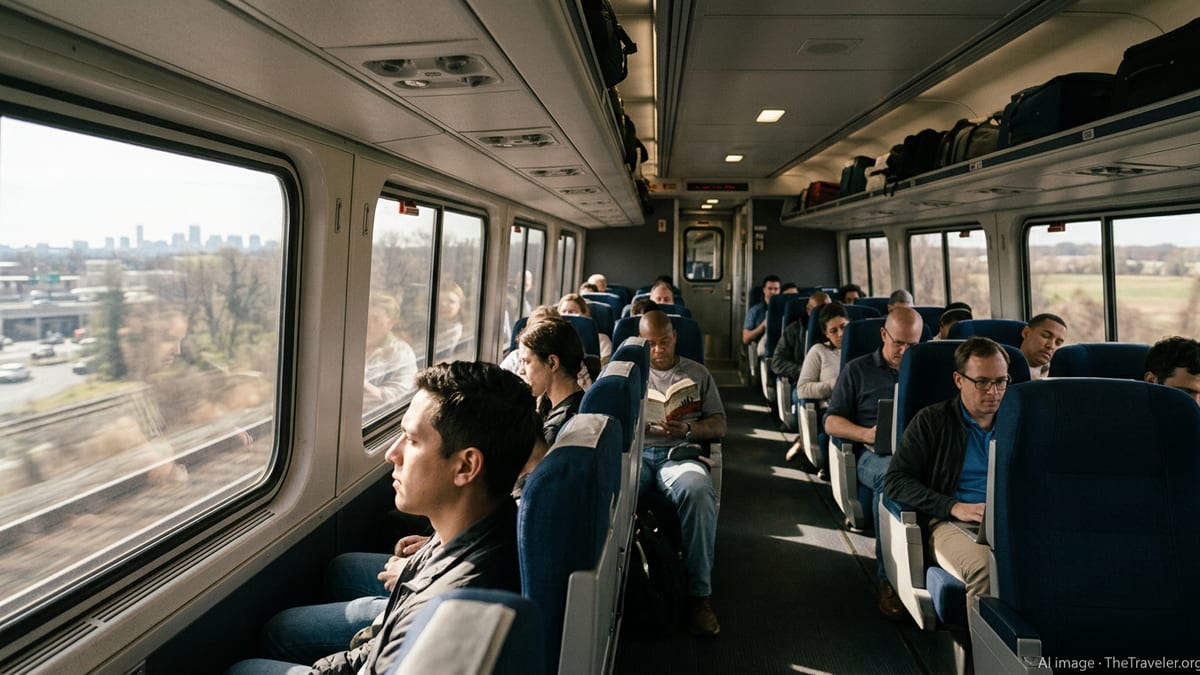
Extra Coaches Attached at Patna Junction for Stranded Tourists
According to publicly available information, East Central Railway arranged additional Third AC coaches on the Patna–Purna Express at Patna Junction to accommodate 106 passengers returning from flood-hit regions of Nepal. Reports indicate that most of the group had travelled to Nepal as tourists from Maharashtra and became stuck after flash floods disrupted road access and local transport in parts of the country.
Coverage in Indian and regional media describes how the passengers were initially moved overland from the India–Nepal border into Bihar before being concentrated at Patna Junction, one of eastern India’s busiest railway hubs. Once in Patna, Indian Railways organized confirmed berths for the entire group so that families and elderly travelers could complete their long journey back towards Nagpur and other destinations in Maharashtra on a single train rather than through fragmented bookings.([timesofindia.indiatimes.com](https://timesofindia.indiatimes.com/city/patna/railways-add-coaches-berths-for-106-stranded-in-nepal/articleshow/133618364.cms?utm_source=openai))
Reports indicate that two additional AC coaches were attached to train number 17609 Patna–Purna Express to create sufficient capacity for the rescued passengers. The train departed Patna in the morning hours, with all 106 evacuees on board, after station staff coordinated boarding and seat allocation. Media accounts emphasize that the group had missed earlier connections because of the flood emergency and subsequent delays on their return from Nepal, prompting the need for this special arrangement.([patnapress.com](https://patnapress.com/railways-add-coaches-berths-for-106-stranded-in-nepal/?utm_source=openai))
From Nepal’s Flood Zones to Safety via Bihar
In recent days, severe flooding in Nepal has triggered landslides, washed away road sections, and isolated communities, complicating the movement of domestic residents and foreign visitors alike. Publicly available reports state that the affected tourists from Maharashtra had been visiting popular destinations in Nepal when heavy rainfall and sudden flash floods cut off their planned exit routes.([indianexpress.com](https://indianexpress.com/article/india/nepal-floods-indian-railways-special-arrangements-passengers-returning-home-10854815/?utm_source=openai))
Coverage from Indian outlets notes that the group was brought from flood-impacted areas in Nepal towards the Indian border in coordinated convoys, eventually reaching entry points in Bihar. From there, arrangements were made for temporary shelter, food, and basic medical screening while onward travel was organized. Bihar-based reports highlight that many of the travelers had already spent nights in difficult conditions before reaching Patna, underscoring the urgency of securing a reliable rail connection back to western India.([navbihartime.com](https://navbihartime.com/news/east-central-railway/?utm_source=openai))
Once at Patna Junction, the rescued tourists effectively transferred from a cross-border evacuation phase into a domestic long-distance journey. Patna’s position on major east–west rail corridors, with frequent services towards central and western India, made it a logical staging point to consolidate the group and place them on a single train. Transport commentators note that such hub-based routing is increasingly used in disaster situations when large numbers of travelers must be moved quickly over long distances.([en.wikipedia.org](https://en.wikipedia.org/wiki/Patna_Junction_railway_station?utm_source=openai))
Onboard Support and En Route Care
Reports on the operation describe not only the deployment of extra coaches but also several passenger support measures. Media coverage indicates that a medical team was positioned at Patna Junction to attend to the returning tourists before departure, with particular attention to those who had endured prolonged exposure to flood conditions and disrupted access to regular meals and medication.([timesofindia.indiatimes.com](https://timesofindia.indiatimes.com/city/patna/railways-add-coaches-berths-for-106-stranded-in-nepal/articleshow/133618364.cms?utm_source=openai))
Further accounts specify that during the onward journey, assistance was extended at key intermediate stations. At Pandit Deen Dayal Upadhyaya Junction, for example, the group received breakfast, drinking water, tea, and health checkups arranged as part of the special relief effort. Such en route support is described as a way to ensure continuity of care for travelers who had already undergone a stressful and uncertain evacuation from Nepal’s flood zones.([newsdive.net](https://newsdive.net/2026/08/30/indian-railways-implements-measures-for-passengers-heading-home-amid-nepal-floods/?utm_source=openai))
Transport-focused reports highlight that the use of reserved AC coaches helped maintain predictable seating and basic comfort standards for families and older passengers after days of disruption. By attaching dedicated coaches rather than scattering the group across multiple trains, rail authorities were able to monitor their progress more closely and reduce the risk of individuals being left behind at busy junctions.([bozokmedia.com](https://www.bozokmedia.com/en/national/2026/08/29/nepal-floods-indian-railways-implements-special-relief-measures-for-passengers-returning-home-145991/?utm_source=openai))
Patna Junction’s Role in Cross-Border Disaster Response
Patna Junction, a key node on India’s eastern rail network, has again served as a transit hub during a regional emergency. Background information on the station shows that it connects Bihar with major metros such as Delhi, Mumbai, and Kolkata, and handles a dense mix of long-distance and regional services. This connectivity allowed Indian Railways to quickly identify a suitable westbound train where additional coaches could be attached without extensive timetable changes.([en.wikipedia.org](https://en.wikipedia.org/wiki/Patna_Junction_railway_station?utm_source=openai))
Observers note that Patna’s geographic proximity to the Nepal border, combined with its rail capacity, makes it a recurring focal point whenever cross-border movements surge, whether during religious pilgrimages, festival travel peaks, or, as in this case, emergency evacuations following natural disasters. The current operation involving 106 stranded tourists aligns with earlier patterns in which travelers entering from Nepal are consolidated at Patna before dispersing to destinations across India.([timesofindia.indiatimes.com](https://timesofindia.indiatimes.com/city/patna/stranded-in-flood-hit-nepal-100-maharashtra-pilgrims-find-safe-passage-home-via-bihar/amp_articleshow/133605028.cms?utm_source=openai))
Recent commentary on rail operations has pointed out that large stations such as Patna are increasingly being factored into contingency planning for climate-linked events, including floods in adjoining countries. The ability to attach or detach coaches at short notice, reconfigure train compositions, and coordinate with state-level relief mechanisms is seen as central to maintaining mobility for affected populations.([en.wikipedia.org](https://en.wikipedia.org/wiki/Patna%E2%80%93Ranchi_Jan_Shatabdi_Express?utm_source=openai))
Humanitarian Rail Operations amid Intensifying Flood Risks
The deployment of special coaches at Patna Junction for tourists rescued from Nepal’s floods is part of a broader pattern in which rail infrastructure is being used to complement road and air evacuations during climate emergencies. In this instance, long-distance rail offered a relatively low-cost and scalable way to move more than one hundred people across several Indian states in a single coordinated operation.([nationalrevealed.com](https://nationalrevealed.com/2026/08/nepal-floods-indian-railways-makes-arrangements-for-passengers-returning-home/?utm_source=openai))
Analysts following South Asian transport and disaster management trends note that extreme rainfall events in the Himalayan region have grown more frequent in recent years, testing cross-border cooperation and evacuation logistics. When such events disrupt airports or make mountain highways unsafe, rail hubs located further south often become crucial staging points for return journeys, as demonstrated by the Patna operation for the 106 Maharashtra tourists.([indianexpress.com](https://indianexpress.com/article/india/nepal-floods-indian-railways-special-arrangements-passengers-returning-home-10854815/?utm_source=openai))
Publicly available coverage of the Nepal floods suggests that similar rail-based interventions may be needed again as the monsoon season continues and additional visitors or workers seek safe passage home. For Indian travelers in particular, the combination of road transfer to the border and dedicated rail capacity from junctions like Patna offers a template for getting large groups out of harm’s way when conditions deteriorate rapidly in neighboring countries.([navbihartime.com](https://navbihartime.com/news/east-central-railway/?utm_source=openai))
Indian Express: Nepal floods and Indian Railways arrangements
Times of India: Railways add coaches for 106 stranded in Nepal
News Dive: Measures for passengers amid Nepal floods
Patna Press: Special coaches for passengers returning from Nepal