


More news on this day
A summer trip turned sour at Rome’s Fiumicino Airport after a Wizz Air flight from Egypt departed without unloading dozens of checked bags, leaving passengers facing days without their luggage and fresh questions over baggage reliability at one of Europe’s busiest hubs.
Get the latest news straight to your inbox!
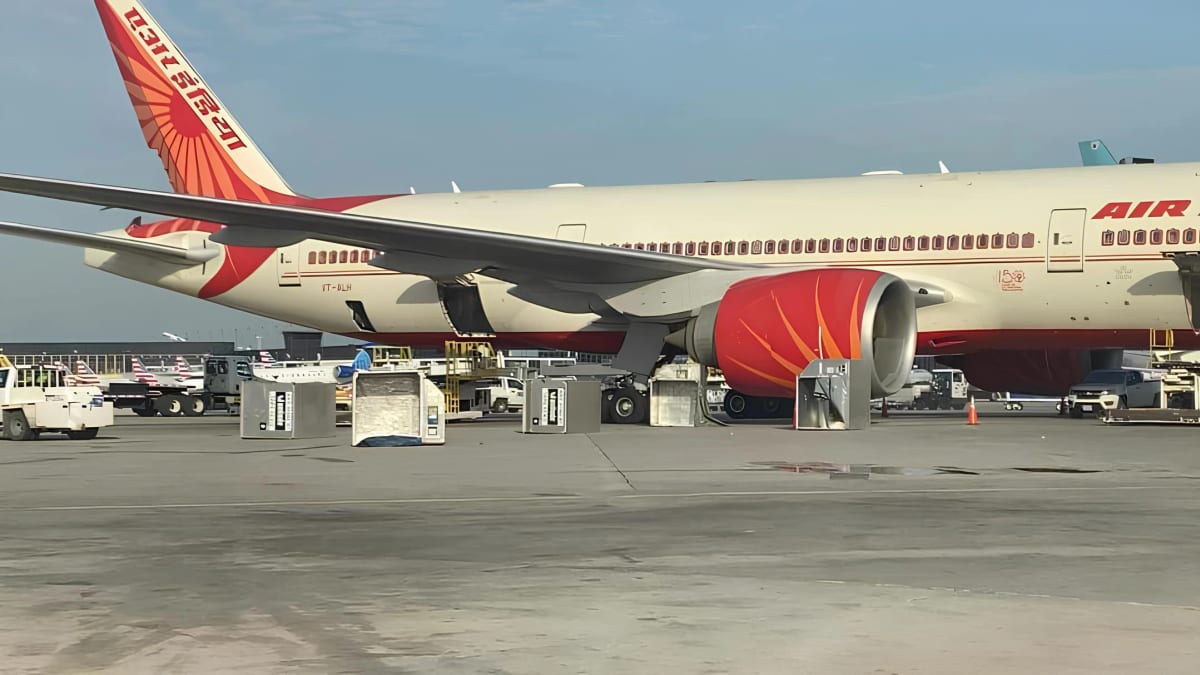
Wizz Air Flight Leaves Suitcases Onboard and Passengers Empty-Handed
According to Italian media reports, the disruption centers on a Wizz Air service arriving at Fiumicino from Marsa Alam on 28 August 2026. Travelers cleared passport control and made their way to the baggage reclaim hall, only to discover that an estimated 80 checked bags had not appeared on the carousel. Subsequent information shared in local coverage indicated that the suitcases had remained in the aircraft hold when the plane departed again.
Coverage from Rome-based outlets describes passengers waiting for extended periods at the belt before being informed that their bags were no longer at Fiumicino but had continued on a subsequent sector toward Lampedusa. Some accounts indicate that travelers attempted to trace their possessions via airline apps and digital bag tags, which continued to show the luggage associated with the aircraft’s onward movements rather than the Rome arrivals area.
Reports indicate that the mishandled bags forced affected passengers to file missing-luggage reports at the airport late into the evening and make last‑minute purchases of clothing and essentials in the city. The incident has quickly attracted wider attention across Italian and European travel media, with headlines highlighting both the number of passengers affected and the unusual nature of an entire batch of luggage apparently bypassing unloading at a major hub.
Lampedusa Detour Highlights Complex Baggage Chains
Details compiled from multiple outlets suggest that the luggage did not simply remain at Fiumicino but instead continued its journey alongside the aircraft. Italian television and online reports describe the bags as ultimately being offloaded on the island of Lampedusa, roughly 700 kilometers from Rome, after the aircraft completed a further leg of its rotation. This has raised practical questions over how and when the luggage can be rerouted to its owners.
Publicly available coverage indicates that, in the short term, bags are expected to be consolidated and flown back toward mainland Italy before courier delivery or airport collection is arranged. However, those mechanisms can take several days to complete, particularly during the peak summer period when airlines and handling agents are already processing heavy loads and operating near capacity.
The Lampedusa detour has underscored how interconnected the European low‑cost flight network has become and how a single error in ground handling can affect passengers across multiple airports. Travel industry observers note that, when an aircraft is scheduled to operate several quick-turn sectors in a row, even minor deviations from standard unloading and loading procedures can cascade into complex recovery operations involving multiple handlers and airports.
Summer Stress for Fiumicino’s Reputation on Baggage Handling
The latest incident is unfolding against a backdrop of strong passenger traffic through Rome’s main airport. Operator documents and recent traffic summaries show that Fiumicino has been handling record or near‑record volumes during peak months, adding pressure to systems that include automated baggage conveyors, security screening, and ground‑handling teams. Historical reporting on earlier breakdowns and power disruptions to baggage belts at the airport underscores how sensitive operations can be during the busiest weeks of the year.
Travel forums and social platforms frequented by Italy‑bound visitors have, in recent weeks, carried a noticeable number of anecdotal complaints related to delayed or mishandled luggage on flights to and from Rome. While such posts do not represent statistical data, they reflect heightened traveler concern about the reliability of checked bags, particularly on tight itineraries or when connecting on separate tickets.
Industry statistics published in previous years show that the European aviation sector has generally improved its overall mishandled‑baggage rate compared with the early 2010s. At the same time, observers point out that sporadic breakdowns, staffing gaps, and isolated operational errors can still result in highly disruptive local episodes, which then shape public perception far beyond the actual number of passengers affected.
Passengers Face Practical and Financial Fallout
For those caught up in the Fiumicino luggage chaos, the immediate concern is access to basic belongings. Travelers arriving from Egypt reportedly included tourists beginning Italian holidays and residents returning home, many of whom were left without clothing, medication, chargers, or personal items. Travel advisory sites note that in such situations passengers are generally entitled to file a Property Irregularity Report at the airport and may claim reimbursement for essential purchases, subject to airline policies and international conventions.
Consumer advocates recommend that travelers keep receipts for emergency spending on toiletries, clothing, and other necessities while waiting for bags to be traced and delivered. They also stress the importance of tracking luggage through airline apps where available and using baggage‑tracking devices, which can provide independent confirmation of a suitcase’s last known location and sometimes speed up recovery.
Insurance specialists frequently highlight that comprehensive travel insurance or certain premium credit cards can offer additional protection, including fixed‑sum payouts for delayed luggage after a specified number of hours. In peak‑season incidents such as the current one at Fiumicino, that coverage can help offset the cost of replacing essentials, particularly for families or long‑haul travelers whose baggage may be circulating within airline systems for several days.
Scrutiny on Airlines and Ground Handlers Intensifies
The Rome incident has brought renewed scrutiny to how airlines and their contracted ground-handling partners coordinate baggage operations during high‑demand periods. Public information from airport and airline briefings in recent years highlights heavy investment in upgraded conveyor systems, automated sortation, and digital tracking at Fiumicino and other major European hubs. Yet observers note that these systems still depend on consistent human oversight at key points such as loading, unloading, and documentation.
Commentary in Italian and international travel media has raised questions over staffing levels, training, and contingency planning when irregular operations occur. The Wizz Air case, where an entire set of bags appears to have remained in the hold as the aircraft departed for another destination, is being cited as an example of how a lapse at a single turnround can disrupt dozens of journeys and generate headlines that reverberate across Europe’s budget‑airline market.
As the summer 2026 season progresses, the episode is likely to feed into broader discussions about passenger rights and service reliability, particularly at heavily used Mediterranean gateways. For now, Fiumicino travelers affected by the stranded luggage chaos remain in limbo, relying on tracking updates and delivery notifications to confirm that their suitcases are finally making their way back from an unintended island detour.
Corriere della Sera coverage of the Wizz Air baggage incident (Italian)
la Repubblica report on stranded luggage at Fiumicino (Italian)
Sky TG24 summary of bags rerouted to Lampedusa (Italian)
Fly4free overview of the Wizz Air baggage mishandling (Polish)