


More news on this day
Travelers at Indianapolis International Airport faced mounting frustration on April 6, 2026, as 48 flight delays and 5 cancellations disrupted operations across key domestic and international routes, compounding a broader wave of U.S. air travel disruptions.
Get the latest news straight to your inbox!
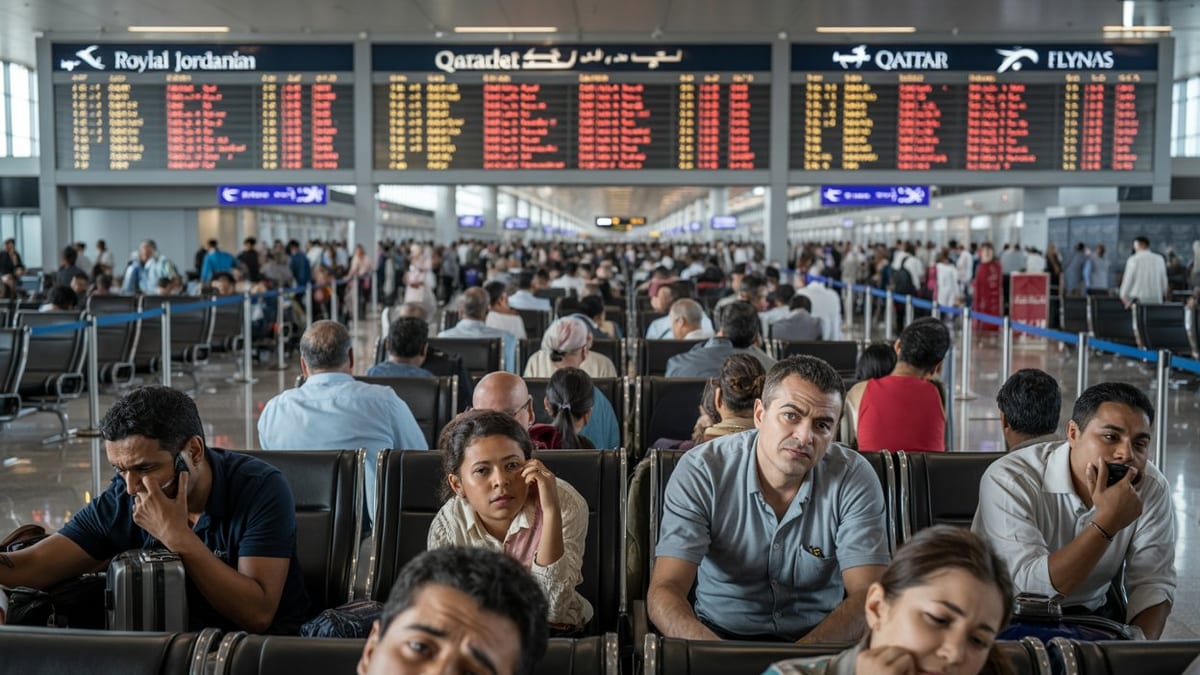
Significant Disruptions at Indianapolis International Airport
Publicly available operational data and industry coverage indicate that Indianapolis International Airport experienced a concentrated spike in disruption on Monday, April 6, with dozens of departures and arrivals affected. A total of 48 flights were reported delayed and 5 canceled, creating bottlenecks throughout the day and leaving passengers facing extended waits at gates and check-in counters.
The affected services span both inbound and outbound operations, touching some of the country’s busiest corridors. Flights connecting Indianapolis with New York, Atlanta and Chicago were among those most heavily impacted, while at least one long-haul link to Frankfurt and services to Los Angeles were also disrupted. The pattern reflects how even a mid-sized airport can quickly feel the strain when wider network pressures converge on a single day of heavy demand.
Carriers operating the disrupted flights include American Airlines, Delta Air Lines, Southwest Airlines and other U.S. operators, according to route and schedule data compiled by aviation-tracking and travel-industry outlets. The mix of major network carriers and point-to-point operators meant that delays in Indianapolis rippled through multiple hubs, from New York area airports to Chicago O’Hare and onward to international gateways.
While the headline numbers at Indianapolis are modest compared with larger hubs, the concentration of 48 delays against just 5 outright cancellations aligns with a national pattern in which carriers appear to be prioritizing keeping aircraft moving, even at significantly revised times, rather than canceling large blocks of service.
Links to Wider U.S. Air Travel Turbulence
The situation in Indianapolis developed against a backdrop of elevated disruption across the United States at the tail end of the Easter travel period. Reporting from industry-focused publications and mainstream news outlets over recent days has highlighted thousands of delays and several hundred cancellations nationwide as spring weather systems and heavy seasonal traffic converged on key hubs.
Airports such as Atlanta, Chicago, New York and Los Angeles have registered some of the largest absolute numbers of affected flights in early April, with data from flight-tracking platforms pointing to multiple days where nationwide delays climbed into the several thousands. The additional complications at Indianapolis on April 6 fit within this broader trend, suggesting that the local disruptions are part of a more systemic strain across U.S. aviation rather than an isolated incident.
Some of the Indianapolis services impacted on Monday were scheduled to feed into or arrive from hubs that had already been managing elevated congestion in recent days. This can create a cascading effect, where an aircraft or crew delayed earlier in the day at a major hub arrives late into Indianapolis, pushing subsequent departures off schedule and narrowing the options available for rebooking when cancellations occur.
Published coverage of recent disruption patterns also notes that some regional and secondary airports, such as Indianapolis, can experience sharp localized challenges when carriers reroute aircraft to protect higher-volume routes or prioritize certain long-haul connections. That dynamic appears to be influencing which flights in and out of Indianapolis were most vulnerable during the latest round of delays.
Impact on Key Domestic and International Routes
The list of destinations affected underscores the strategic importance of Indianapolis within domestic and transatlantic networks. New York, Atlanta and Chicago serve as critical connection points for both business and leisure travelers, meaning disruption on these routes can quickly complicate multi-leg itineraries, especially during a busy spring travel window.
Reports indicate that some of the delayed flights involved services linking Indianapolis with New York’s major airports and Chicago O’Hare, connections that commonly serve onward travel to Europe and the West Coast. Affected routes to Atlanta, another major domestic and international hub, further reduced the number of viable rebooking options for passengers trying to make missed connections.
At least one route involving Frankfurt was among those disrupted, according to sector-specific reporting, highlighting the transatlantic dimension of the day’s challenges. Disruption on such long-haul links can have outsized consequences, as these flights typically operate less frequently and rely heavily on tightly coordinated aircraft and crew rotations between continents.
Los Angeles connections were also impacted, reducing access to one of the busiest gateways for both domestic and international travel on the U.S. West Coast. For travelers bound for onward services to Asia or the Pacific from Los Angeles, even moderate delays out of Indianapolis can have a knock-on effect on trip duration, missed hotel nights and additional costs on the ground.
Airlines and Passengers Navigate Limited Options
With only five cancellations reported out of the total disrupted services, airlines at Indianapolis have largely been attempting to operate scheduled flights on revised timetables. Publicly available data shows that this approach can limit the overall number of passengers requiring full rebooking, but it also results in extensive delays that keep terminals crowded and complicate same-day connections.
American Airlines, Delta and Southwest, along with other carriers serving Indianapolis, have been prominent across recent national tallies of delayed and canceled flights, reflecting their extensive domestic networks. Industry analyses suggest that when disruption levels are elevated nationwide, carriers often face difficult choices about where to redeploy aircraft, which routes to prioritize and how to manage crew duty-time regulations.
For passengers in Indianapolis, the practical effect on April 6 has been longer-than-expected waits, uncertainty around departure times and, in some cases, overnight stays when missed connections or late-evening cancellations left limited recovery options. Consumer guidance from regulators and travel associations consistently advises affected travelers to review airline policies on meal vouchers, hotel support and refunds when disruptions are significant.
In the current environment, some travelers are turning to same-day flight monitoring, mobile alerts and flexible booking options to navigate the uncertainty. Travel-industry commentary points out that, as airlines continue to operate close to capacity across much of the network, spare seats for last-minute rebookings can be scarce, particularly on popular routes such as Indianapolis to New York or Chicago during peak periods.
Outlook for the Spring Travel Period
The disruption at Indianapolis International Airport on April 6 comes as U.S. carriers navigate a complex spring season characterized by robust demand, residual weather risks from late winter systems and ongoing operational constraints in areas such as staffing and aircraft availability. Analysts following the sector note that even short-lived weather disturbances or localized airspace restrictions can have an amplified impact when schedules are tightly packed.
Early April travel data suggests that delays remain more common than outright cancellations, both nationwide and in Indianapolis, as airlines seek to maintain network integrity while absorbing operational shocks. However, the experience of travelers facing hours-long waits at the gate shows that delays can be just as disruptive as cancellations, particularly for those with time-sensitive commitments or onward international connections.
Looking ahead to the remainder of the spring travel period, industry observers expect that airports like Indianapolis, which sit at the intersection of major east-west and north-south corridors, will remain sensitive to wider network pressures. Passengers are being encouraged, in public-facing advisories and travel columns, to build additional connection time into itineraries, monitor flights closely before leaving for the airport and consider travel insurance or credit-card protections that may help offset disruption-related expenses.
For now, Indianapolis International Airport’s experience on April 6 serves as a case study in how broader U.S. aviation challenges can quickly manifest at a single airport, with 48 delays and a handful of cancellations proving enough to strand travelers, scramble airline schedules and underscore the fragility of tightly wound flight networks during busy travel periods.