


More news on this day
In Auckland’s new City Rail Link, volunteers in soot-streaked makeup, smoke machines and staged explosions have been transforming glossy stations into disaster zones, as the multibillion-dollar rail project enters its high-stakes final phase of emergency testing ahead of opening later in 2026.
Get the latest news straight to your inbox!
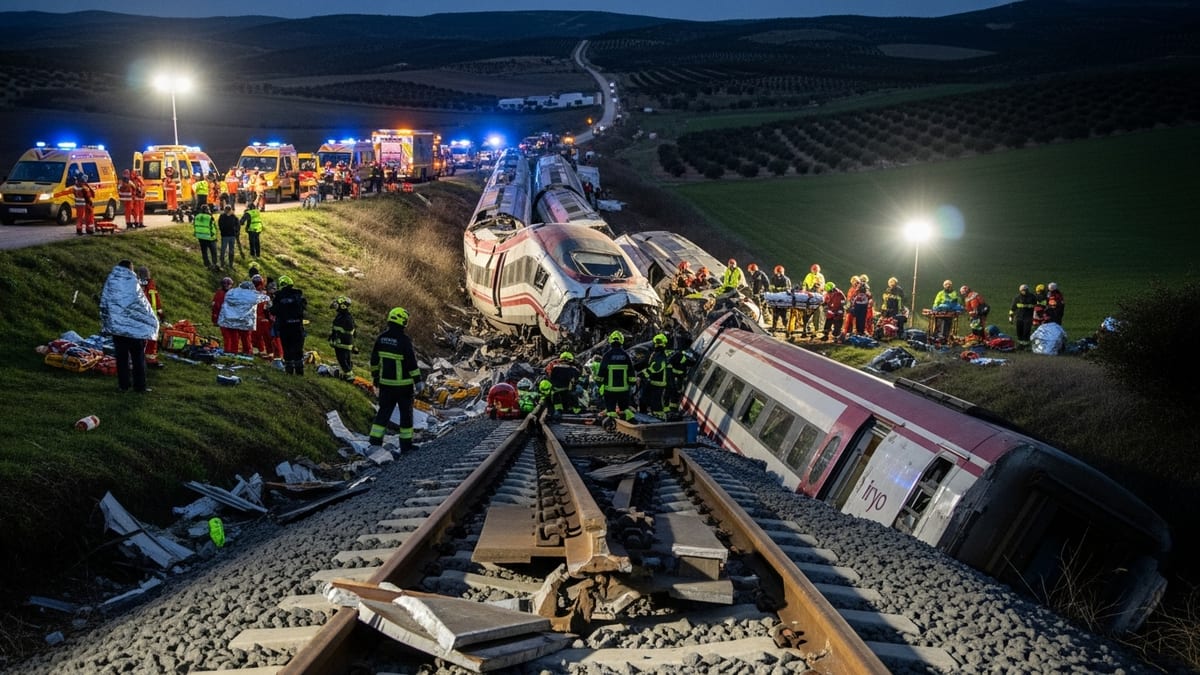
High-intensity drills beneath central Auckland
From late April through early June, the City Rail Link’s underground stations and twin tunnels have hosted a series of intensive emergency exercises designed to test how the network will cope with its worst imaginable day. Publicly available information shows that around 15 live scenarios have been scheduled across the new Karanga-a-Hape, Te Waihorotiu and Maungawhau stations, as well as within the 3.5 kilometre tunnel section beneath central Auckland.
Reports on the programme describe staged train fires, simulated explosions, tunnel evacuations and complex medical emergencies. Volunteers acting as passengers are guided through darkened carriages, heavy smoke effects and narrow tunnel walkways to reach emergency exits, while rail staff and first responders rehearse coordinated responses above and below ground.
The exercises form part of the project’s “final readiness phase” before the City Rail Link is handed over for full operations and public services, which government planning documents and recent coverage indicate are expected to begin in the second half of 2026. Alongside technical testing of signalling, power and ventilation systems, the emergency drills are considered a last major hurdle before firm opening dates can be locked in.
Auckland One Rail, KiwiRail and Auckland Transport have all been involved in the live simulations, according to operator updates. The testing is intended not only to prove that new equipment works as intended, but also that teams across control rooms, stations and trains can work together under pressure to manage rail incidents without paralysing the broader network.
Fire, smoke and tunnel rescues put systems to the test
At the heart of the programme are fire and smoke scenarios, reflecting the unique risks of placing a modern railway deep below city streets. Karanga-a-Hape Station sits about 33 metres underground, roughly equivalent to a 10-storey building, which creates particular challenges for getting passengers out quickly and cleanly in an emergency, according to published coverage of the tests.
Drills have focused on how quickly staff can detect and isolate incidents, move trains to safe locations, and lead passengers to exits in the event of a train fire in the tunnel or on a platform. International safety guidance for rail transit systems emphasises the importance of rehearsing track and tunnel fires, carborne fires, smoke extraction and evacuation procedures, and the City Rail Link tests appear closely aligned with these expectations.
Ventilation and smoke control systems are another focus underground. In a tunnel environment, keeping escape routes clear of smoke for as long as possible can be critical. Evacuation walkways, cross passages and emergency stairways have been trialled with large groups of volunteers to confirm that travel times, wayfinding signage and lighting meet design assumptions.
Rescue scenarios have also included simulated medical events and injuries, requiring close coordination between rail operators and emergency services. While the drills are carefully scripted and controlled, observers say they are designed to feel realistic enough that staff and volunteers experience genuine stress, providing valuable data on human behaviour and decision-making in confined underground spaces.
Coordinating a citywide rail response
The City Rail Link will plug directly into Auckland’s wider electrified network, effectively reorienting how trains move through the region once services begin. This integration means that an incident in the tunnel could quickly ripple across the system if not managed carefully, so the emergency exercises are being used to test network control and communication as much as conditions on the platforms.
Recent public reports from Auckland Council and central government agencies describe a period of intensive planning for new timetables, station operations and maintenance windows ahead of the opening. Emergency trials are being woven into this work to confirm that dispatchers, station teams and drivers all understand new procedures and how responsibilities are shared when something goes wrong underground.
The drills are occurring alongside planned network closures for infrastructure upgrades over the Matariki long weekend in July, which are intended to give crews uninterrupted access to track and signalling systems that will interface with the City Rail Link. For travellers, the short-term inconvenience of shutdowns and simulated chaos is presented as the price of a more resilient, higher-capacity system in the long term.
Public communications from the rail agencies stress that while the exercises can appear dramatic, with sirens, smoke and staged casualties, they represent rehearsals for scenarios that are statistically rare. By pushing systems and people under controlled conditions now, operators aim to minimise disruption and risk if a real incident ever occurs.
What the tests mean for future passengers
For future riders, the work unfolding behind construction hoardings and in closed-off tunnels is about more than ticking regulatory boxes. The emergency trials are being used to refine how information will be shared with passengers during an incident, how quickly trains can be turned around, and how long it should take to clear a crowded platform or carriage.
Observers of some recent drills report that volunteers have been asked to walk hundreds of metres along tunnel walkways to reach emergency exits, providing real-world checks against theoretical evacuation times. Feedback from these participants can influence details such as handrail placement, signage size and the clarity of public announcements.
The tests are also helping to shape operational philosophies for the new line. International experience suggests that clear, simple instructions and familiar routines can make a significant difference in emergencies. Operators of the City Rail Link are expected to use lessons from the current exercises to develop training for frontline staff and educational campaigns for passengers once services begin.
As opening day approaches, Auckland’s new underground railway is shifting from a construction project to a lived-in piece of transport infrastructure. The controlled fires, mock explosions and tunnel rescues unfolding below the city are a reminder that behind the sleek architecture and faster journeys lies a dense web of planning intended to keep those journeys safe when the unexpected happens.