


More news on this day
Newly updated travel advice for Italy is drawing attention to a series of safety, security and health considerations, as the UK Foreign, Commonwealth and Development Office refines its guidance for visitors ahead of another busy summer season.
Get the latest news straight to your inbox!
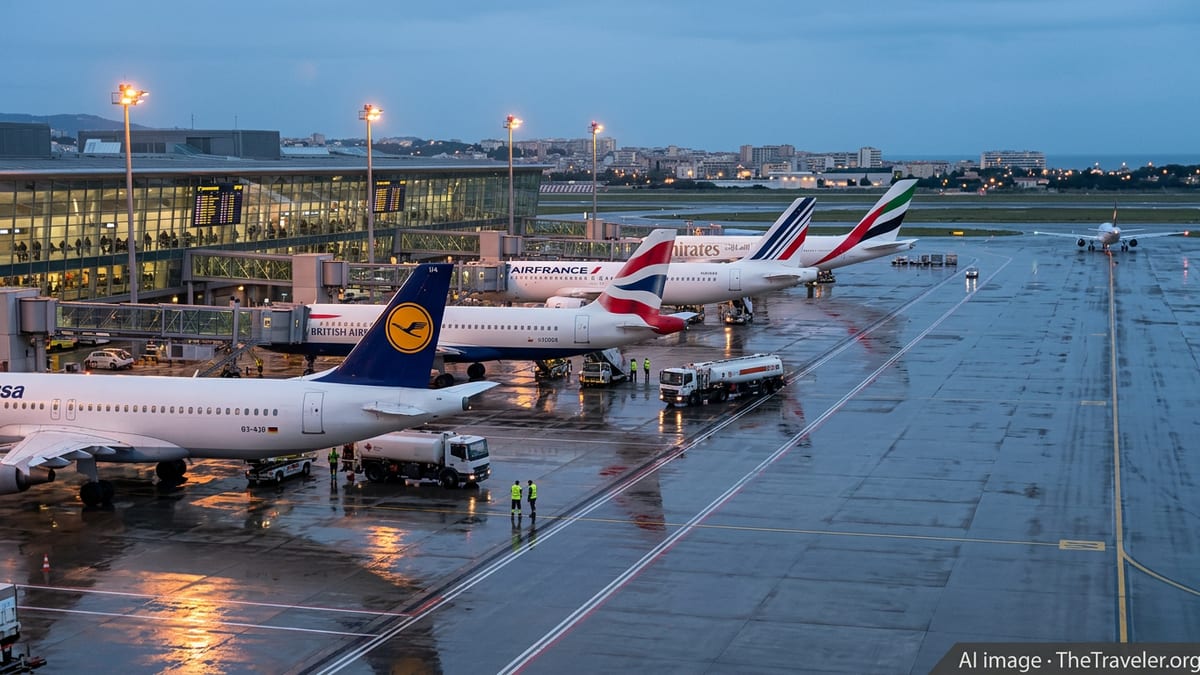
Fresh Foreign Office guidance highlights evolving risk picture
The latest UK Foreign Office travel advice for Italy, updated in early July 2026, keeps the overall assessment at a routine level but sharpens language around several specific risks. The guidance stresses that incidents can occur with little warning in crowded places and at high-profile sites, and urges travellers to remain vigilant in tourist hotspots, major cities and transport hubs.
The advisory reiterates long-standing concerns about the potential for terrorism and other security incidents across Europe, though it notes that most visits to Italy continue to be trouble-free. It flags that large public gatherings, demonstrations and major events can attract additional security measures, temporary restrictions and short-notice changes to local transport or access to central districts.
Publicly available information also emphasises the importance of having comprehensive travel insurance, registering any pre-existing medical needs and checking that passports and documentation meet Schengen entry rules before departure. Travellers are encouraged to monitor official updates in the run-up to their trip, as specific details can be revised at short notice.
For British nationals already in Italy, the Foreign Office points to existing channels for help in emergencies, including consular assistance for victims of crime, support during hospitalisation and guidance if passports are lost or stolen. The advice underlines that these services may be limited during any widespread disruption and that travellers should keep personal contingency plans in mind.
Security, crime and public-order concerns for visitors
While Italy does not figure among the highest-risk countries in global rankings, the updated guidance pays particular attention to everyday security issues affecting tourists. Petty crime remains one of the most frequently reported problems, especially in busy urban areas such as Rome, Milan, Naples and Florence, and around transport interchanges, major monuments and beaches.
Reports indicate that pickpocketing, bag snatching and theft from parked cars are the main concerns. Travellers are urged to take routine precautions such as keeping valuables out of sight, using hotel safes where possible and being wary of distractions in crowded spaces, including on public transport and in ticket queues. Nightlife districts and areas around central stations are highlighted as locations where extra care is advisable after dark.
The Foreign Office advisory also notes the potential for public demonstrations and strikes to affect visitors. Industrial action in recent seasons has periodically disrupted rail and air travel, with services cancelled or rescheduled at short notice. Travellers are advised to check timetables regularly, allow extra time for connections and be prepared for queues at ticket desks and customer service points during any strike periods.
In addition, the guidance references local traffic laws, enforcement of drink-driving limits and the need to observe speed restrictions, especially on motorways and in historic centres where pedestrian zones and camera-controlled areas are increasingly common. Foreign motorists can face substantial on-the-spot fines for infractions, adding a financial dimension to the broader security advice.
Heat, wildfires and seasonal health risks
Climate-related risks play a prominent role in the latest Foreign Office messaging on Italy. Recent summers have brought extended heatwaves across much of southern Europe, and travellers are warned that high temperatures can pose serious health risks, particularly for older people, children and those with underlying conditions.
Public health guidance from European agencies and national authorities points to the importance of staying hydrated, avoiding strenuous activity during the hottest hours of the day and seeking shade where possible. Urban centres can experience especially intense heat due to limited green space and dense building materials, making simple measures such as planning indoor visits during the afternoon increasingly relevant for visitors.
The advisory further notes that prolonged dry spells heighten the risk of wildfires, particularly in central and southern regions and on islands such as Sicily and Sardinia. Fires can lead to evacuations, road closures and sudden changes to holiday plans if resorts or rural areas are affected. Travellers are urged not to light open fires in or near woodland, to follow local instructions during high-risk periods and to avoid driving through smoke-affected areas.
Mosquito-borne illnesses, while still relatively limited compared with some other regions, are also monitored by health authorities. The advice encourages the use of repellent, appropriate clothing in the evenings and attention to any local notices regarding standing water or seasonal spraying campaigns.
Border checks, documentation and upcoming system changes
Border controls and identity checks are another focus of current travel warnings. Italy participates in the Schengen free-travel zone, but travellers from the United Kingdom and other non-EU countries are subject to standard external-border procedures, including passport inspections, immigration questioning and security screening on arrival.
Publicly available information from European institutions notes that the planned Entry/Exit System, a digital registration framework for non-EU short-stay visitors, is expected to increase biometric checks at some airports and land borders once fully implemented. While rollout timelines have shifted in the past, guidance stresses that passengers should be prepared for longer queues during the introduction phase, particularly at peak holiday times.
The Foreign Office reiterates that visitors must carry valid photo identification at all times and that local police can request documents during routine checks. Travellers who misplace or have passports stolen are advised to contact consular services as soon as practicable, and to keep digital copies of key documents to streamline replacement procedures.
The advisory also reminds visitors that overstaying permitted short-stay limits in the Schengen area can result in fines, entry bans or other penalties. Holidaymakers combining Italy with other European destinations are urged to calculate carefully how many days they spend within the zone to avoid inadvertent breaches of the 90-days-in-180 rule.
Major events, infrastructure strain and practical planning
Italy’s role as host to major sporting and cultural events over the coming years is expected to draw additional scrutiny from foreign ministries assessing risk levels. Security assessments surrounding high-profile gatherings, including those linked to the 2026 Winter Olympic and Paralympic Games in Milan and Cortina d’Ampezzo, have prompted early planning for enhanced policing, restricted zones and temporary infrastructure.
Publicly accessible reporting indicates that Italian and international security teams have examined scenarios involving crowd management and potential lone-actor threats around event venues and transport nodes. While there is no suggestion of specific imminent dangers to tourists, such preparations are reflected in travel advice that urges visitors to follow local instructions, allow extra time for screening and remain aware of their surroundings.
The Foreign Office also highlights how Italy’s popularity can strain public transport, accommodation and visitor services during peak seasons, compounded by occasional industrial action or severe weather. Travellers are encouraged to book key journeys in advance, monitor airline and rail operator updates and consider flexible booking options where possible.
Across all these issues, the guidance maintains that millions of trips to Italy take place each year without incident, but it frames the updated warnings as a reminder that careful preparation, awareness of evolving advice and basic safety measures remain essential parts of modern European travel.