


For many frequent travelers, InterContinental Hotels & Resorts sits at a crossroads between sharp business efficiency and quiet, old-school luxury. The brand was created in 1946 to host Pan Am passengers along emerging international routes, and today it anchors the luxury and lifestyle portfolio of IHG Hotels & Resorts across major cities and resort destinations worldwide. Step into an InterContinental in London, New York, Miami or Singapore and you will find a consistent promise: polished, international service tailored to people who spend a significant portion of their lives on the road, but who still want a sense of place, ritual and indulgence when they close the laptop.
Get the latest updates straight to your inbox!
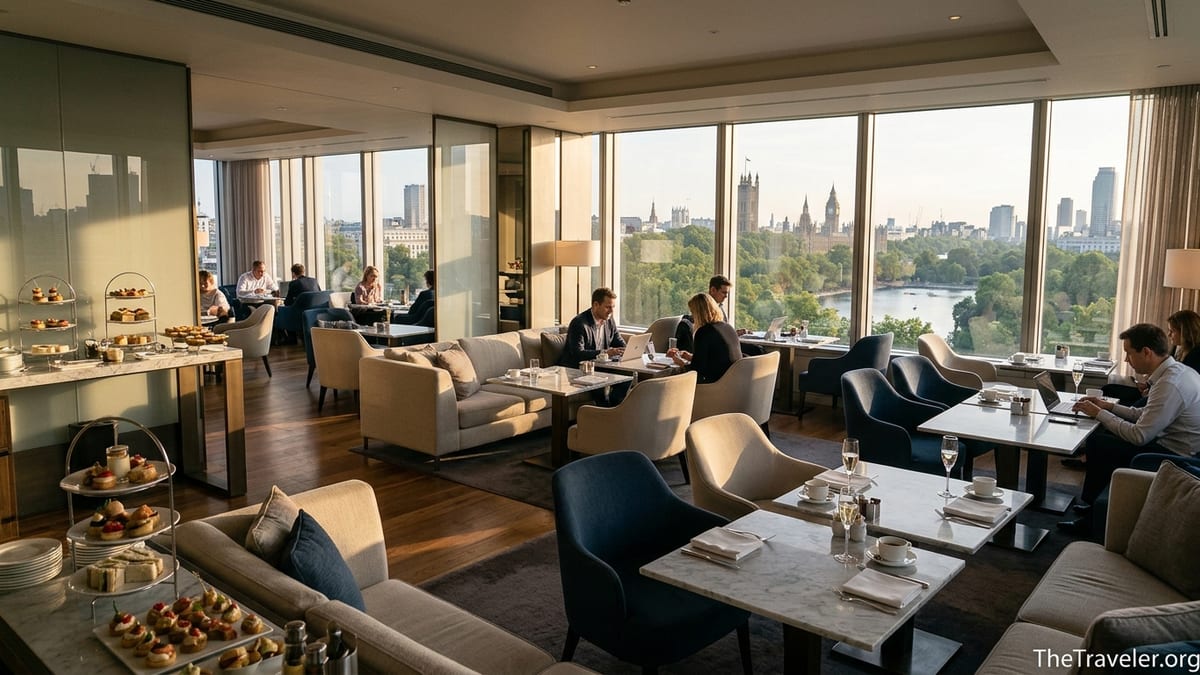
The InterContinental Promise: Global Business Meets Local Luxury
InterContinental is positioned as IHG’s flagship luxury brand, designed to bridge the needs of business travelers and guests seeking a more residential style of stay. The concept is not simply about marble lobbies and soft linens. It is about delivering what IHG describes as cultivated elegance, where the brand sets clear standards for service, club lounges, technology and loyalty recognition, but each property expresses them through local design, food and cultural touches. A guest flying from InterContinental London Park Lane to InterContinental Miami, for example, should feel the same level of polish and efficiency, but in settings that are unmistakably British and Floridian.
In practice, that promise shows up in details business travelers immediately notice. High-speed Wi‑Fi is standard and typically included in room rates for IHG One Rewards members. Work-friendly desks, task lighting and plentiful power outlets are the rule rather than the exception. Concierge teams are used to handling last-minute print jobs, courier arrangements and small meeting requests. At InterContinental London Park Lane, for instance, an entire floor is devoted to meetings and events, and the hotel has been repeatedly recognized by business travel publications for its conference offering, which includes a ballroom and a variety of smaller rooms equipped for hybrid events.
At the same time, InterContinental properties work to deliver luxury cues that go beyond a pure corporate focus. At InterContinental London Park Lane, afternoon tea in the Wellington Lounge is served against a backdrop of the Royal Parks, with cavalry parades passing toward Buckingham Palace. In Miami, the InterContinental’s lobby art and waterfront setting open directly onto the city’s bayfront promenade, giving even a 36‑hour business trip a touch of vacation. The result is a brand that aims to be equally comfortable for a board meeting, a honeymoon night or a long weekend away on loyalty points.
Business Traveler Essentials: Rooms, Desks and Quiet Efficiency
For many InterContinental guests, the first priority is whether a room makes it easy to work. Most city properties skew toward generous room sizes by urban standards, with layouts that separate the sleeping area from a functional workspace. At InterContinental London Park Lane, the purpose-built Capital Suite takes the idea further: roughly 80 square meters configured for in-room meetings, with a living area that can be converted into a boardroom, integrated AV, and direct access to the hotel’s dedicated events floor. It is designed for executives who want to hold confidential briefings without leaving their suite.
Standard rooms in city properties tend to offer large desks or console-style worktops, ergonomic chairs and multiple universal or USB power points. In business-focused hotels such as InterContinental Singapore Robertson Quay, rooms are deliberately kept at a compact, residential scale but equipped with travel essentials like laptop safes, Bluetooth speakers, high-pressure walk-in showers and coffee machines, so frequent travelers can work from bed in the morning and take calls at the desk later in the day without hunting for adaptors.
Noise control is another practical detail that matters during a week of back-to-back meetings. In dense locations, some InterContinental hotels have made a point of double-glazing and interior insulation. At InterContinental New York Times Square, many business travelers gravitate toward higher floors that put distance between the room and the noise of 8th Avenue. In London, guests who need absolute quiet often request park-facing rooms at Park Lane rather than those overlooking major junctions. While no city hotel can promise silence, front desk teams are accustomed to allocating rooms with jet-lagged executives in mind.
Work does not end at the room door, of course. Business centers, now often reimagined as co-working style lounges, remain a fixture. During and after the pandemic era, several InterContinental properties experimented with day-use or “work from hotel” packages. InterContinental New York Times Square was among those that converted regular rooms into private offices during the day, offering a desk, reliable Wi‑Fi and room service lunch for remote workers or local professionals seeking a change of scene. Today, variants of that concept live on as flexible day-use rates that appeal to travelers with long layovers or late flights.
Club InterContinental: The Brand’s Signature Advantage
For frequent guests, the real heart of the InterContinental experience is often Club InterContinental. These lounges are positioned as private, all-day living rooms for business and leisure travelers willing to pay a supplement or book qualifying room categories. Access can also come via elite status in some cases, though policies vary by hotel and change over time. A typical Club InterContinental offers breakfast, afternoon refreshments and evening drinks with canapés, along with quieter seating and attentive staff who can handle check-in, check-out and concierge requests.
At InterContinental London Park Lane, Club InterContinental occupies a prime seventh-floor corner with panoramic views across Hyde Park and Green Park. Guests with access can expect a full breakfast in the lounge, afternoon tea service with scones and pastries, and evening drinks that may include champagne and hot and cold canapés. The lounge is open for most of the day, so a guest can answer morning emails over coffee and return for a glass of wine and light bites after meetings, often reducing the need to dine out every night.
Asia-Pacific properties sometimes take the club experience even further. At InterContinental Singapore Robertson Quay, the Club InterContinental lounge combines indoor and alfresco spaces overlooking the river. Typical inclusions may range from barista coffee and made-to-order eggs at breakfast to evening cocktails and hors d’oeuvres. Some lounges in the region also add small meeting rooms that can be reserved for an hour or two, ideal for a quick client conversation on neutral territory. For many travelers, this turns the lounge into both an office extension and a social hub, especially on longer stays.
Supplement pricing for Club InterContinental varies by property and season, but it is not unusual to see daily add-on fees that, in broad terms, might start around the equivalent of a couple of restaurant meals. In London Park Lane, for instance, the lounge supplement for two guests has been listed at a three-figure pound amount per day in recent months, including breakfast, afternoon tea, evening drinks and concierge-style service. For a solo business traveler who would otherwise charge three meals a day to an expense account, the arithmetic can make sense both for the guest and their company, while couples on a city break often view it as an indulgent upgrade that anchors their daily rhythm.
Meetings, Events and Hybrid Workspaces
Beyond guest rooms and lounges, InterContinental hotels position themselves as serious meetings and events players. In major cities, many properties reserve an entire floor or wing for conferences and banquets, with layouts meant to handle everything from a ten-person board meeting to a 300‑guest gala dinner. InterContinental New York Times Square, for example, offers over 10,000 square feet of flexible meeting and event space centered on the Gotham Ballroom, a roughly 4,000‑square‑foot venue supported by smaller breakout rooms named after Manhattan parks. This dedicated meeting level allows corporate groups to stay together and move between sessions without crossing the main lobby.
In London, InterContinental London Park Lane caters to both international summits and high-end social events. Its ballroom and collection of smaller salons feature integrated audiovisual systems, adaptable lighting and skilled banqueting teams used to handling simultaneous functions. The hotel’s reputation as a conference venue has made it a frequent choice for financial roadshows, governmental delegations and fashion presentations, where event planners value not only the physical space but the ability to secure rooms for key participants on the floors directly above.
Hybrid and flexible working trends have encouraged several InterContinental properties to repurpose parts of their events inventory. During periods when large conferences are quieter, meeting rooms can be sold as private day offices to small teams, or packaged into “meet and stay” offers that bundle a half-day meeting, coffee breaks and a block of guest rooms. At InterContinental New York Times Square, the same technical infrastructure that supports live broadcasts and town halls is now used for smaller companies streaming to remote colleagues. Event planners increasingly ask about upload speeds, backup lines and recording facilities, and many InterContinental conference teams are equipped to respond.
This dual identity as both a business hotel and a luxury venue can be especially useful for corporate groups that blend work and reward. A technology firm might, for example, hold strategy workshops at InterContinental Miami in conference rooms facing Biscayne Bay, then transition seamlessly into a waterfront reception as the sun sets, using the same spaces with different lighting and layouts. From the organizer’s perspective, working with a single in-house team for staging, catering and guest rooms keeps logistics simpler than splitting events across multiple venues.
Leisure Side of Luxury: Dining, Wellness and Sense of Place
While the InterContinental brand is closely linked to business travel, its luxury credentials matter just as much to guests on holiday or to executives extending a work trip into a long weekend. Signature restaurants, classic lounges and spa partnerships are a key part of this side of the story. At InterContinental London Park Lane, the Wellington Lounge has become known for its afternoon tea service, drawing not only hotel guests but Londoners meeting for special occasions. The parade route visible from its windows gives even a working lunch the feeling of a quiet London spectacle.
Food and beverage concepts at many InterContinental hotels are being refreshed in line with the brand’s recent design and culinary evolution. In practice, this can mean a rooftop restaurant in a coastal destination, such as the open-air venues at InterContinental properties in the Mediterranean or Southeast Asia, or a destination bar in a financial district hotel that becomes a gathering place for local professionals. Menus often highlight local ingredients and regional dishes, giving travelers a sense of place without leaving the property. In markets with strong coffee culture or cocktail scenes, bar teams will typically invest in quality beans, inventive signatures and collaborations with local roasters or distillers.
Wellness facilities vary by hotel, but many urban InterContinental properties offer fitness centers equipped with cardio machines, free weights and sometimes studio spaces for yoga or stretching. Spa offerings range from compact treatment rooms with a focused menu to full-scale branded spas operated in partnership with skincare specialists. At some InterContinental hotels, suite guests or club-level guests receive priority access to spa appointments, while business travelers can schedule express treatments in the early morning or later evening hours to work around meetings.
Location is another part of the luxury equation. The majority of InterContinental hotels occupy prime addresses: Park Lane in London, waterfront positions in cities like Miami, or central business districts close to key corporate offices and cultural attractions. This allows travelers to walk to meetings, step out for a quick run in a nearby park, or explore restaurants and museums without relying entirely on taxis. For guests on short stays, this proximity can matter more than the square footage of the room, and it is a significant reason the brand continues to attract both corporate contracts and leisure bookings.
Loyalty, Upgrades and How to Maximize Value
For regular InterContinental guests, the IHG One Rewards program is often the key to turning functional trips into more comfortable ones. At higher elite tiers, members may be eligible for complimentary room upgrades when available, late checkout and bonus earning on stays. In parallel, the InterContinental Ambassador program, sold as a paid membership, offers benefits specifically at InterContinental hotels, such as guaranteed room upgrades and extended checkout in many locations, subject to current terms and conditions. While program details change over time, the combination of elite status and Ambassador can be particularly valuable for travelers who predominantly stay at this brand.
On the ground, upgrades play out in different ways depending on occupancy, room inventory and local policy. A Platinum or Diamond elite guest at a busy city InterContinental might, on a quiet midweek date, be moved from a standard room to a higher floor or a superior category with better views. On peak dates, particularly in cities like London or New York during major events, upgrades might be more modest or limited to rooms with slightly more space. Many loyal guests report that consistent, polite communication with the hotel in advance, combined with realistic expectations, tends to yield the best outcomes.
Club InterContinental access remains a separate question. Some hotels strictly reserve lounge privileges for guests who book club-level rooms or suites, even if an upgrade at check-in moves a traveler into a club-floor room. Others exercise more discretion, occasionally extending lounge access to top-tier elites or Ambassador members as a gesture of goodwill when occupancy allows. Travelers considering a stay at a specific property often research recent reports and discuss experiences with other guests to understand how a hotel currently approaches lounge benefits, recognizing that these practices can shift.
Value also depends on rate strategy. In expensive markets, a room-only corporate rate at an InterContinental might, on some dates, be comparable to a fully flexible rate that includes breakfast or lounge access if booked directly with the hotel or through IHG channels. Guests willing to be flexible on dates sometimes find that moving a trip by one night can reduce nightly rates substantially, freeing budget to upgrade to club level or a better view. For leisure travelers using points, keeping an eye on dynamic award pricing can occasionally unlock stays at aspirational properties during softer periods when redemption rates dip.
The Takeaway
The modern InterContinental experience is less about extravagant displays and more about a layered form of comfort that works just as well for a quarterly review meeting as it does for a special-occasion city break. Across the portfolio, common threads run through the brand: reliable technology, attentive service, polished lounges and a clear commitment to integrating local culture into design and dining. Whether you are checking into InterContinental London Park Lane for a week of investor meetings, settling into InterContinental Miami before a cruise departure, or using an InterContinental in Asia as a base for regional travel, you are buying into a system designed around frequent travelers’ rhythms.
If you prioritize efficient workspaces, on-property meeting options and the quiet support of a well-run club lounge, InterContinental delivers a recognizably business-friendly product while still feeling a notch more residential and personal than many corporate-focused chains. For leisure guests, its prime locations, refined dining and sense of occasion provide a comfortable platform for exploring great cities without sacrificing the rituals that make a hotel stay feel like an upgrade from everyday life. The sweet spot lies in understanding how each property balances business and luxury, and then choosing the one whose version of the InterContinental promise best matches the way you actually travel.
FAQ
Q1. Is InterContinental mainly a business hotel brand or a luxury brand?
InterContinental is positioned as a luxury brand within IHG, but many of its city-center hotels are designed to serve business travelers with strong meeting facilities, club lounges and work-friendly rooms.
Q2. What is Club InterContinental and is it worth the extra cost?
Club InterContinental is a private lounge concept that usually includes breakfast, all-day refreshments and evening drinks with canapés, along with dedicated staff. It can be good value if you would otherwise pay separately for multiple meals, or if you value a quiet place to work and relax.
Q3. Do I automatically get lounge access if I am an elite member of IHG One Rewards?
Not necessarily. Lounge access policies vary by hotel and can change, and most InterContinental properties reserve Club InterContinental access for guests who book qualifying room types or pay a supplement, though some may extend access to top-tier elites at their discretion.
Q4. How do InterContinental hotels compare to other luxury brands in big cities?
InterContinental typically aims to combine strong business infrastructure with a sense of local luxury. Compared with some ultra-luxury brands that focus mainly on resort-style indulgence, InterContinental often offers more robust meeting spaces and club lounges, especially in financial districts.
Q5. Are InterContinental rooms suitable for working long hours?
Most InterContinental rooms in major cities include sizable desks or worktops, ergonomic chairs, good lighting and multiple power outlets, along with reliable Wi‑Fi, making them practical for extended working sessions.
Q6. Can I host small meetings in my InterContinental room or suite?
In many properties you can hold informal discussions in larger rooms or suites, and some hotels offer dedicated business suites with integrated meeting areas. For more formal sessions, reserving a meeting room through the events team is usually recommended.
Q7. Do InterContinental hotels offer facilities for hybrid or virtual events?
Many InterContinental properties with substantial conference space are equipped with modern audiovisual systems and reliable internet connections, and can support hybrid meetings or streaming, often in partnership with specialist AV providers.
Q8. How can I improve my chances of an upgrade at InterContinental?
Holding higher IHG One Rewards status or an active InterContinental Ambassador membership, booking directly with IHG, traveling on less busy dates and politely noting your preferences in advance can all help, though upgrades are never guaranteed.
Q9. Are InterContinental hotels family-friendly or mainly geared to solo business travelers?
While many city properties are optimized for business, most InterContinental hotels welcome families, and some offer connecting rooms, suites with extra living space and child-friendly pools or dining options, especially in resort locations.
Q10. How do I decide whether to book a standard room or pay for Club InterContinental?
Consider how much time you will spend on property and how many meals you are likely to have at the hotel. If you expect to work in the lounge, eat breakfast there daily and enjoy evening drinks, the additional cost can often justify itself compared with paying for everything separately.