


More news on this day
Passengers arriving at New York’s LaGuardia Airport experienced a tense landing after an American Airlines jet reportedly suffered multiple tire blowouts on touchdown, prompting an emergency response on the runway and temporary disruptions to flight operations.
Get the latest news straight to your inbox!
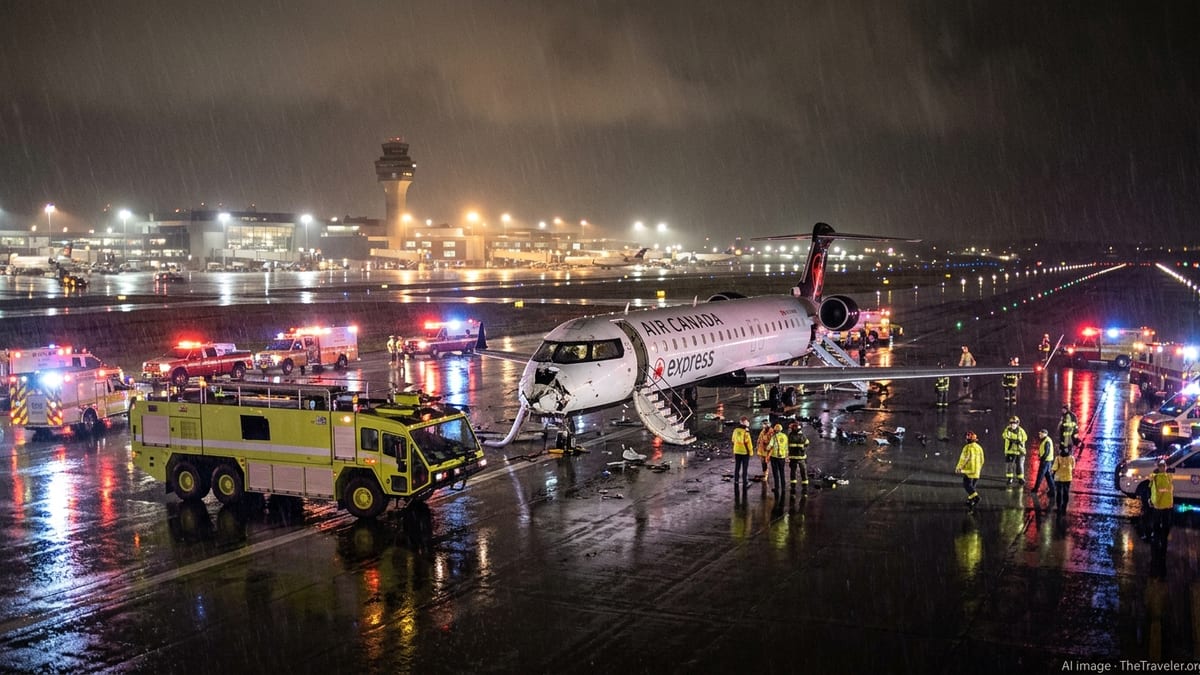
Runway Incident Jolts Morning Arrivals
According to early reports from aviation tracking data and passenger accounts shared on social media, the incident involved an American Airlines narrowbody aircraft arriving at LaGuardia on a scheduled domestic flight. The aircraft appeared to touch down normally before several tires on the main landing gear failed during the rollout, causing the jet to slow abruptly and come to a stop on the runway.
Fire and rescue crews based at LaGuardia responded as a precaution, surrounding the aircraft while pilots communicated with air traffic control and coordinated the safe deplaning of customers. Initial indications suggest the jet remained on the paved surface and did not veer off the runway, limiting the risk of structural damage.
Published coverage states that there were no reports of serious injuries among passengers or crew. Some travelers described a loud bang and pronounced vibration at touchdown, followed by the sight of emergency vehicles racing toward the immobilized aircraft. Cabin crew reportedly instructed passengers to remain seated while the flight deck assessed the situation.
The affected runway was temporarily closed while teams inspected the aircraft, collected debris and checked the pavement for damage. Arrivals and departures were briefly delayed or rerouted to LaGuardia’s other available runway configuration, adding to congestion at one of the country’s busiest urban airports.
What Happens When Tires Fail on Landing
Commercial airliners carry multiple tires on each main landing gear assembly, specifically to provide redundancy in the event one or more fail during landing or takeoff. Aviation safety materials explain that a tire blowout on landing, while alarming for those on board, is a scenario crews train for and that airports are equipped to handle.
In this case, publicly available imagery and descriptions suggest the blowouts occurred after initial touchdown, when the aircraft’s full weight and braking forces were concentrated on the main gear. The failure of several tires can create a rough, shuddering sensation in the cabin and produce smoke or the smell of burned rubber as fragments contact the runway.
Pilots are trained to maintain directional control using rudder and nosewheel steering, reducing speed gradually while avoiding overly aggressive braking that could worsen damage or cause additional tire failures. If the jet remains controllable, the priority is to bring it to a safe stop on the runway and keep it on the centerline, which appears to have occurred in this incident.
Once stopped, crews typically request that airport fire services visually inspect the landing gear area before any attempt to taxi. Depending on the extent of damage, the aircraft may be towed from the runway to a remote stand or gate, as moving on damaged wheels risks further harm to the brakes, axles or surrounding structure.
Disruption for Passengers but Limited Operational Impact
The tire blowout incident added to an already challenging operational environment for New York area airports, which frequently face congestion from weather delays, airspace constraints and peak summer demand. Even a brief runway closure at LaGuardia can quickly cascade into delays and gate holds as inbound flights are sequenced more conservatively and departures await clearance.
Travelers scheduled on the affected flight reportedly experienced an extended on-runway wait while emergency teams completed their checks. Some customers were eventually moved to buses or mobile stairs to reach the terminal, while others deplaned via the aircraft’s own stairs if conditions permitted.
Downline passengers waiting for the aircraft’s next scheduled departure faced additional disruption as maintenance teams inspected the landing gear, wheels and brakes, and the airline evaluated whether the jet could be returned to service or needed more extensive work. In similar events, the damaged wheel assemblies are typically replaced, tires are inspected for heat and structural stress, and the braking system undergoes a detailed examination.
For LaGuardia’s broader operation, published tracking data indicates that some flights experienced minor delays as air traffic control managed around the closed runway segment. However, with redundancy in runway infrastructure and the relatively quick containment of the event, the disruption appeared localized rather than airport wide.
Safety Record and Regulatory Oversight
While dramatic for those involved, tire failures during landing remain relatively rare compared with the total number of flights operating daily in the United States. Aviation regulators and safety agencies treat such events as important data points, using maintenance records, flight data and physical evidence to determine whether any broader safety concerns exist.
Publicly available safety reports show that when tires fail on landing, investigators typically examine factors such as tire age, maintenance history, inflation levels, braking profiles and runway conditions. High summer temperatures, heavy aircraft weights and short runway configurations can increase stress on landing gear components, particularly at busy urban airports where pilots must manage steeper approaches and firm touchdowns.
American Airlines, like all major U.S. carriers, operates under detailed maintenance and inspection programs that set strict intervals for wheel and tire replacement. After an event involving multiple tire failures, it is standard practice for airlines to conduct internal reviews, assess whether any component trends are emerging and share relevant findings through established industry channels.
Industry analysts note that the rapid emergency response at LaGuardia and the absence of serious injuries underline the layered protections built into modern commercial aviation, including robust landing gear design, redundant tires, trained flight crews and on-site firefighting resources at major airports.
Impact on Traveler Confidence and Airline Reliability
For passengers already navigating frequent delays, cancellations and tight connections, an incident involving blown tires on landing can deepen concerns about reliability and comfort, even if safety margins are maintained. Social media posts from the flight and subsequent commentary quickly circulated among frequent travelers, some praising the crew’s handling of the situation and others expressing frustration at yet another disruption to their schedules.
Travel forums and aviation communities often scrutinize such episodes, comparing them with other recent mechanical issues and debating whether they signal isolated occurrences or a wider pattern. While current publicly available information frames the LaGuardia incident as contained and without serious injury, the perception of mounting operational challenges can influence how travelers choose airlines and plan itineraries through already congested airports.
For American Airlines, the episode arrives at a time when carriers are under close public and regulatory attention for both safety performance and day to day reliability. The balance between operating dense schedules, maintaining fleets to high standards and managing staffing and infrastructure constraints continues to shape the experience for passengers moving through New York’s tightly packed airspace.
As investigations and internal reviews proceed, additional details about the exact cause of the tire failures and any contributing maintenance or operational factors are likely to emerge through official summaries and industry reporting in the weeks ahead.