


More news on this day
For travelers trying to change tickets, claim compensation or fix booking glitches with Iberia Airlines, the biggest challenge is often getting anyone to respond. Recent traveler reports and publicly available guidance point to a patchwork of phone lines, messaging tools and social channels that can work, but only if passengers use them in the right way and in the right order.
Get the latest news straight to your inbox!
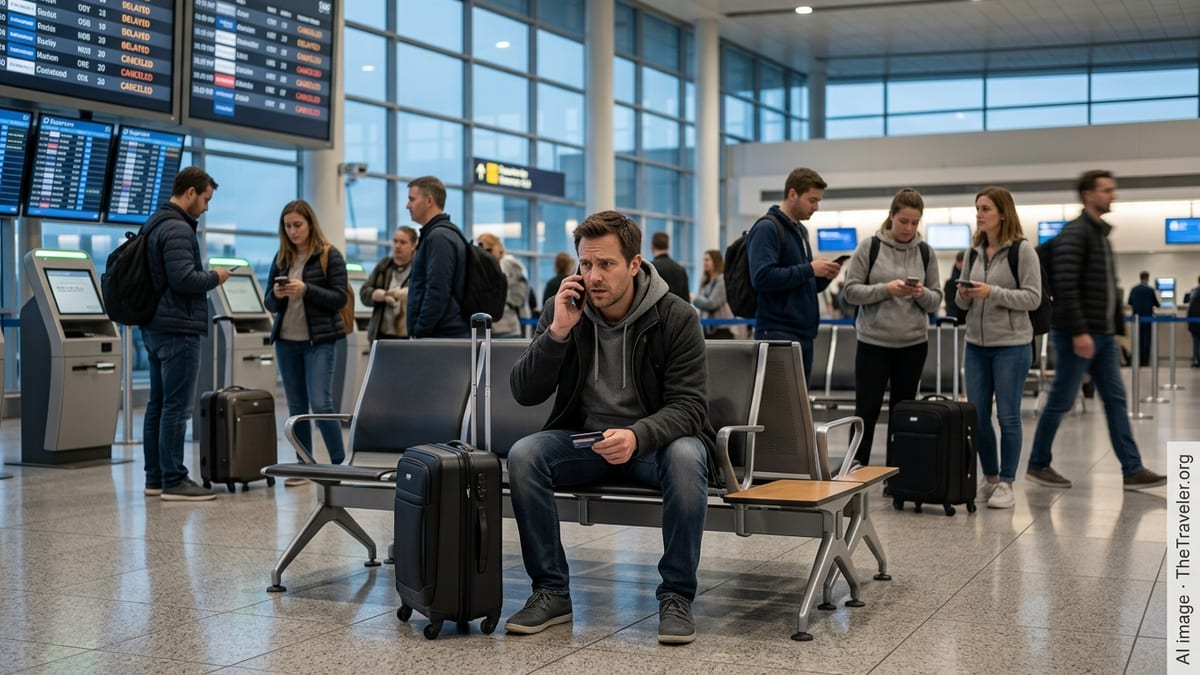
Phone Lines Still Anchor Iberia Contact Options
Despite the growth of messaging apps and social media, traditional call centers remain the backbone of Iberia Airlines’ customer support network. Public information about the carrier’s operations shows that it runs dedicated contact numbers in key markets, including Spain and France, alongside region-specific lines across Europe and Latin America. These lines typically handle booking changes, cancellations, schedule disruptions and baggage issues.
Travel experiences shared in online forums suggest that passengers who call during local business hours and navigate the menu efficiently tend to get through more quickly. Some travelers report shorter waits when they select language options based on where Iberia has its largest staffing pools, rather than always defaulting to English. Others describe better results when they prepare their booking code, ticket number and travel dates in advance so agents can process requests without extended holds.
For complex problems such as schedule changes across multiple airlines or disputes over European Union compensation rules, callers often find they need more than one conversation. In those cases, keeping detailed notes of each call, including time, date and any case reference provided by the airline, can make subsequent interactions move faster and reduce the need to repeat information.
WhatsApp and Messaging Tools Offer Mixed but Rapid Contact
Iberia Airlines has increasingly promoted messaging tools such as WhatsApp as a quick way to reach the carrier, particularly for flight status questions, simple booking changes and follow-up on existing cases. Travelers posting about recent journeys describe WhatsApp chats sometimes connecting faster than phone queues, especially outside peak calling hours, and enabling them to send documents or screenshots directly within the conversation.
The performance of these channels, however, can be uneven. Some passengers report long gaps between responses or automated replies that loop back to basic help pages instead of routing them to a human agent. Others say that after initial contact via WhatsApp, they were still directed back to phone support for final decisions on refunds or compensation. These accounts indicate that messaging tools may be best used to open a case, confirm receipt of documents or clarify straightforward questions rather than as a complete substitute for voice support.
To increase the odds of a quick response on WhatsApp or similar channels, experienced travelers recommend sending concise, single-topic messages that include the booking locator and key dates in the first line. Avoiding long, multi-issue descriptions appears to help agents categorize the request and pass it to the right internal team, which can shorten turnaround times when workloads are heavy.
Social Media Escalations Can Unlock Stalled Cases
Social platforms such as X, formerly Twitter, and Facebook have become an unofficial second line of defense for passengers who feel stuck in Iberia’s standard queues. Public posts and private messages documented across multiple travel forums show cases in which travelers finally received a response on long-pending issues after tagging the airline’s official accounts or sending direct messages with their booking references.
According to published coverage and passenger accounts, social media teams often act as a bridge between customers and back-office departments that handle complaints, refunds or irregular operations. While these teams may not always be able to authorize changes directly, they can sometimes nudge dormant files, clarify what documentation is missing or confirm which formal complaint forms need to be filed.
For travelers seeking quicker attention, experts advise a measured approach: keeping public posts factual and focused on the specific problem, then moving to direct messages for personal details. Including flight numbers, dates and the type of disruption appears to increase the chance that social media agents can route the issue efficiently. In several cases described online, this strategy turned weeks of silence into a same-day response.
Web Forms, Email and Complaint Portals for Documentation
Beyond calls and messaging, Iberia operates online forms and email-style contact portals that are particularly important for formal complaints, refund requests and European passenger rights claims. Publicly available information shows that these channels are often required when travelers seek written confirmation of decisions, such as denials or approvals of compensation under EU261 rules or reimbursement for extra expenses caused by delays.
Many passengers, however, report that email and web forms can be among the slowest routes for initial contact. Response times of several weeks are not uncommon in anecdotal accounts, especially after large disruption events or during peak travel seasons. As a result, frequent flyers generally treat these tools as a necessary documentation step rather than their primary avenue for urgent support.
To improve outcomes, travel advisers recommend combining channels. One approach is to first submit a detailed complaint or refund request via the official form, including receipts and boarding passes, and then reference the case number when following up by phone, WhatsApp or social media. This creates a paper trail while still leveraging faster-moving channels to push for updates.
Airport Desks, Partner Channels and Timing Strategies
For same-day travel problems, Iberia’s airport customer service counters remain a crucial, if sometimes overlooked, option. Reports from recent seasons show that passengers facing missed connections or long delays often have better luck securing hotel vouchers or rebooking when they speak directly with staff while still inside the airport. In-person agents can see real-time seat availability and, in some cases, provide written confirmations that later support compensation claims.
Travelers holding tickets that involve partner airlines, codeshares or connections booked through credit card portals may also need to coordinate with those third parties. Public information and traveler experiences suggest that while Iberia controls its own flights, online travel agencies and bank-booking platforms sometimes retain authority over changes or refunds. In practical terms, that means a fast resolution may require parallel contact: Iberia for operational issues and the original seller for ticket reissuance or fee waivers.
Timing also plays a role in how quickly Iberia responds. Passengers who call or message during off-peak hours relative to the main hubs in Madrid and Barcelona often describe shorter queues. Others note that response times can drop after major schedule changes are processed, suggesting that waiting a few hours after a mass disruption can reduce competition in the lines. By choosing the moment carefully, travelers can make each of the seven main contact strategies more effective, turning a fragmented support system into a workable, if still imperfect, safety net.