


More news on this day
British Airways is signaling that airfares are likely to climb as the war involving Iran drives jet fuel prices sharply higher, intensifying a global supply squeeze that is already prompting airlines worldwide to raise ticket prices, trim flight schedules and explore new fuel-saving measures.
Get the latest news straight to your inbox!
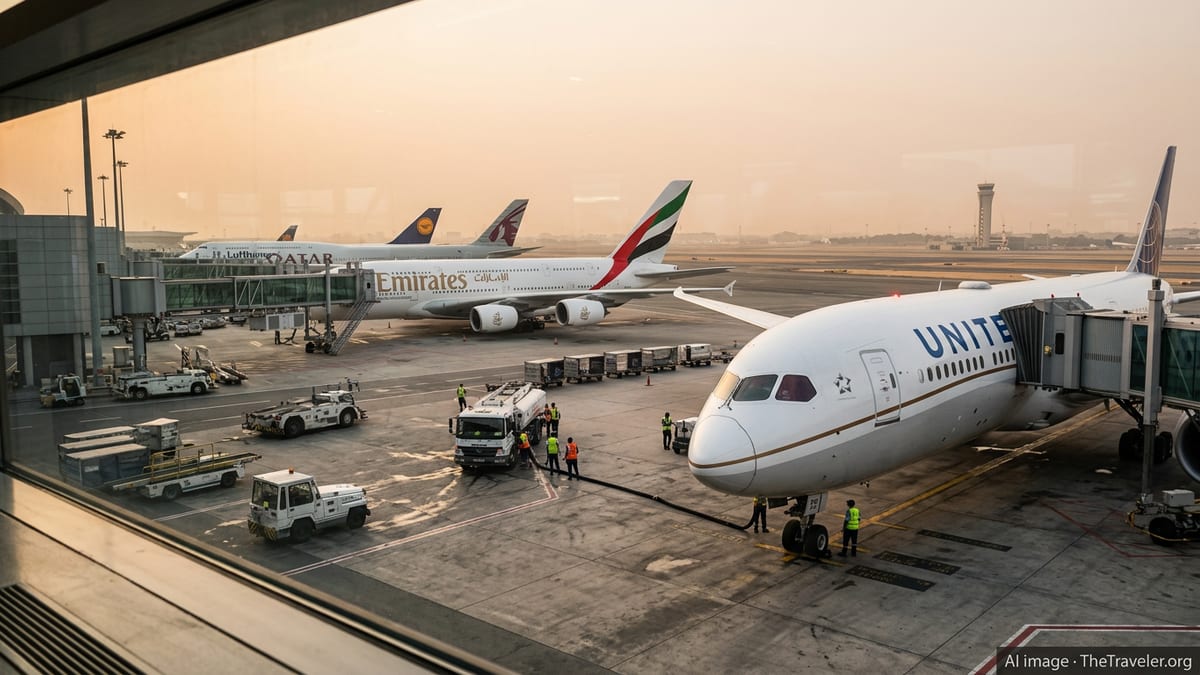
Jet Fuel Costs Soar After Iran Conflict Disrupts Supply
The conflict involving Iran, the United States and regional powers since late February has upended energy markets, with a particular shock in kerosene-based jet fuel. Publicly available market data and industry analysis show that aviation fuel prices have more than doubled in many regions compared with levels before the fighting began, outpacing even the jump in crude oil prices.
Reports indicate that the disruption of tanker movements through the Strait of Hormuz, a key chokepoint for Gulf energy exports, has reduced available supplies of jet fuel and pushed refiners to compete for suitable crude. Industry research suggests that a prolonged restriction on this route would quickly drain global inventories and keep prices elevated for months.
European regulators and energy observers highlight the strain on regional supplies, with some guidance drawing attention to a shift toward using alternative jet fuel grades where possible to ease shortages. However, analysts caution that such flexibility can only partially offset the scale of the supply shock linked to the Iran conflict.
Across major aviation hubs, the cost surge is now filtering directly into airline operating budgets. Several financial assessments suggest that higher fuel alone could add billions of dollars in unplanned expenses for large carriers this year, creating strong pressure to recover those costs through fares and surcharges.
British Airways Braces for Higher Fares and Tighter Margins
British Airways, part of the International Airlines Group, is emerging as one of the European carriers most exposed to the fuel shock, given its extensive long haul network and reliance on busy transatlantic and Middle East corridors. Recent earnings guidance from the group indicates that the Middle East conflict is expected to reduce annual profits as fuel costs rise and certain routes become less efficient or require detours.
According to published coverage in European business media, British Airways has already confirmed higher prices for premium cabins such as business class, citing the steeper cost of kerosene since the Iran war began. The carrier is also reported to be pursuing aggressive internal cost savings in an effort to limit how much of the fuel burden is passed directly to customers in the form of additional fees.
Travel industry commentary suggests that British Airways is, for now, focusing fare increases on new bookings rather than adding retroactive fuel surcharges to tickets already purchased. Consumer protection guidance in the European Union reiterates that airlines generally may not raise the price of flights after sale on the basis of higher fuel, pushing carriers to adjust pricing only on future itineraries and to rely on hedging strategies where fuel was bought in advance.
Despite these measures, aviation analysts warn that the scale of the jet fuel shock makes broad-based fare inflation hard to avoid. For a full service network airline such as British Airways, fuel typically represents around a quarter of operating costs, so a doubling in price implies a significant squeeze on margins unless fares rise materially or capacity is reduced.
Global Airlines Cut Flights, Add Surcharges and Rethink Networks
The strain is not confined to British Airways. Airlines across Europe, the Middle East, Asia and North America are adjusting operations as the fuel crisis deepens. Carriers in Europe have announced thousands of flight cancellations through the summer season, explicitly linking the cuts to intolerable jet fuel expenses and reduced availability of supply.
Flag carriers and low cost airlines alike are introducing or increasing fuel surcharges on long haul journeys, particularly on routes that previously relied on efficient refueling stops in or near the Gulf. Some Asian and Middle Eastern airlines have signaled expected airfare increases in the range of 10 to 15 percent on select routes if fuel prices remain at current levels, according to trade press reports.
North American carriers are also responding, with publicly available information pointing to fare hikes on transatlantic and transpacific services and higher ancillary charges such as baggage fees. In several markets, airlines are trimming frequencies on marginal routes, consolidating flights onto larger aircraft and prioritizing high yielding corporate and leisure segments to protect revenue.
Industry bodies note that the combination of high fuel costs and limited spare capacity following the post pandemic recovery is creating a particularly sharp squeeze. With aircraft and crews already heavily utilized, there is less room to absorb disruptions without cutting flights or raising fares, amplifying the impact of the Iran related fuel shock on global travelers.
What Travelers Can Expect in 2026 Peak Season
For travelers planning trips in the coming months, the emerging picture is one of higher prices, tighter availability and potentially more volatile schedules. Travel data cited by aviation analysts shows that average airfares were already trending up before the Iran conflict, and the latest spike in jet fuel costs is expected to add a further layer of increases on many long haul and connecting routes.
Reports from travel agencies and booking platforms suggest that fare pressure is currently most visible on routes touching Europe and the Middle East, as well as long haul corridors linking Asia, North America and Africa that previously relied on efficient refueling in the Gulf region. Economy class prices are rising, but the steepest increases so far appear to be in premium cabins, where airlines see more scope to recover fuel costs.
Capacity constraints may further limit options. With some European and Asian airlines canceling flights or reducing frequencies to save fuel, popular summer destinations could see fewer seats available at lower fare buckets. That trend could push last minute prices even higher, especially during school holidays and major events.
Travel experts quoted in recent coverage recommend that passengers monitor bookings closely for schedule changes and consider flexible itineraries or alternative airports. While there is still significant uncertainty about the duration and intensity of the Iran conflict, most forecasts now assume that elevated fuel prices will persist at least through the northern hemisphere summer, suggesting that widespread fare relief is unlikely in the short term.
Broader Economic Ripples and Long Term Industry Shifts
The jet fuel crisis triggered by the Iran conflict is also feeding into broader economic concerns. Higher airfares risk dampening demand for discretionary travel, particularly among price sensitive leisure passengers, and could weigh on tourism dependent economies that rely heavily on long haul visitors. Some corporate travel managers are already signaling a renewed preference for virtual meetings to limit exposure to rising ticket costs.
At the same time, the shock is accelerating strategic shifts within the airline industry. Carriers are reexamining fleet plans to prioritize more fuel efficient aircraft, exploring sustainable aviation fuels where supply and pricing allow, and reevaluating network structures that depend heavily on routes vulnerable to geopolitical disruptions.
For British Airways and its global peers, the current crisis underscores the importance of fuel hedging, diversified supply chains and flexible scheduling. While some airlines had locked in part of their 2026 fuel needs before the conflict, shielding them temporarily from spot price spikes, analysts note that these protections will gradually roll off, making long term exposure to elevated prices a central strategic issue.
How quickly airfares stabilize will depend largely on the evolution of the conflict and the reopening of key maritime corridors. Until there is greater clarity on both, British Airways’ warning about rising ticket prices is likely to echo across the industry, reinforcing expectations that travelers worldwide will face a more expensive and uncertain flying environment in the months ahead.