


More news on this day
Kazakhstan is rapidly moving onto the same wish lists as Azerbaijan, Vietnam, Australia, Japan and Turkey, as resilient post-pandemic travelers look beyond soaring airfares and recurring flight disruption to discover new long-haul frontiers.
Get the latest news straight to your inbox!
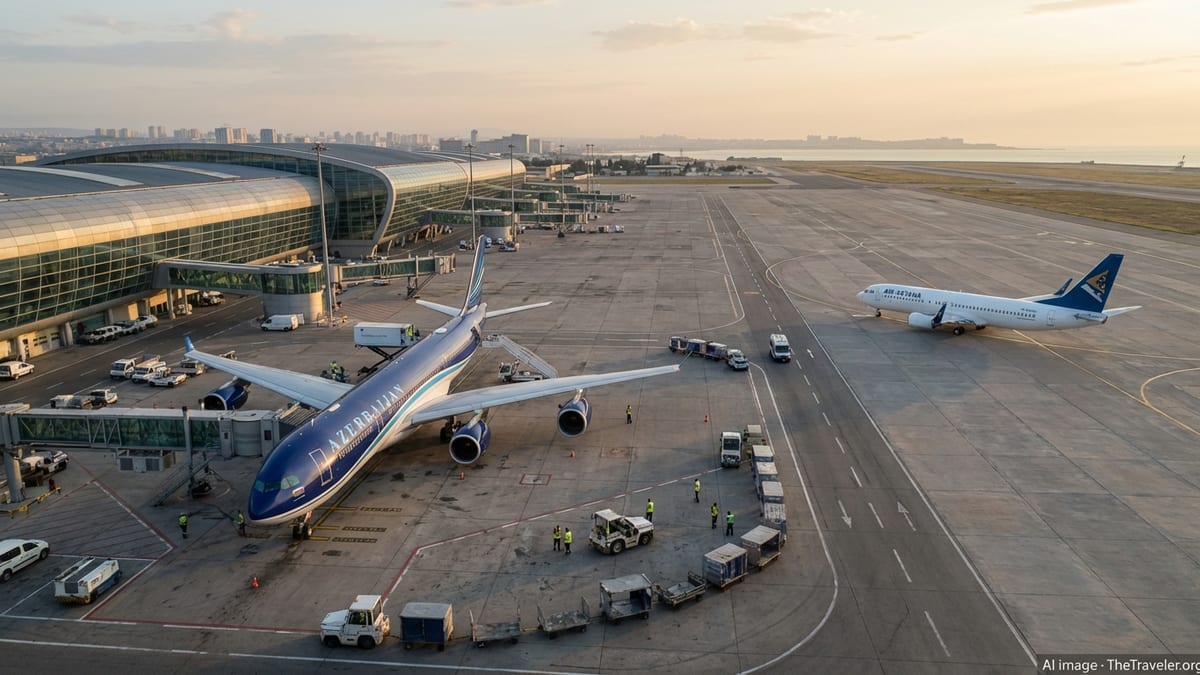
Kazakhstan Steps Onto the Global Tourism Stage
Recent data from Kazakhstan’s tourism authorities and national statistics bureau show that international arrivals are climbing at double-digit rates, with inbound visitor numbers in 2024 reported in the tens of millions and growing significantly on the previous year. Publicly available information highlights stronger hotel revenues and renewed investment in promotion campaigns, suggesting the Central Asian republic is beginning to convert its vast landscapes and Soviet-era infrastructure into a competitive tourism product.
Astana and Almaty are at the center of this shift. Local government updates indicate rising visitor numbers to both cities in 2024, with Astana positioning itself as a conference and events hub and Almaty strengthening its role as a gateway to mountain and adventure tourism. Improvements at airports and train stations, including upgraded terminals and tourist-facing services, are designed to make it easier for long-haul travelers to combine urban breaks with trips into the steppe and highlands.
Visa policies and connectivity are also working in Kazakhstan’s favor. A growing list of countries can enter visa-free for stays of up to 30 or 90 days, while regional rail links and new international routes from Gulf, European and Asian carriers are widening access. Industry analyses describe Kazakhstan as a classic “next frontier” market, where relatively low crowding and competitive prices contrast with rising costs and capacity pressure on more mature routes.
Established ‘New Frontiers’ Show the Path Forward
Kazakhstan’s trajectory mirrors developments already visible in Azerbaijan, Vietnam, Australia, Japan and Turkey. Official statistics from Baku indicate that Azerbaijan welcomed more than 2.6 million international visitors in 2024, a rise of around a quarter on the previous year, supported by new branding and marketing strategies focused on culture, food and the Caspian coastline. The country is working to secure a larger share of regional tourism as travelers search for alternatives to Europe and the Gulf.
Vietnam continues to grow as a long-haul favorite, particularly for European and North American visitors seeking better value long stays. Public reports on visitor numbers show a solid recovery from pandemic lows, helped by a mix of beach destinations, heritage sites and emerging secondary cities. Flexible visa rules for selected markets and a dense low-cost airline network within Southeast Asia have allowed Vietnam to compete effectively even as intercontinental airfares remain elevated compared with 2019.
At the other end of the price spectrum, Australia and Japan underline how strong demand can remain despite higher on-the-ground costs. Japan’s national tourism statistics show that the country welcomed close to 37 million foreign visitors in 2024, surpassing pre-pandemic records and highlighting the appeal of its cultural experiences and favorable exchange rate. Australia has focused on premium nature and adventure travel, with published tourism research noting robust long-haul demand from North America and Europe that has persisted even as airlines grapple with higher fuel prices and aircraft shortages.
Turkey, meanwhile, has consolidated its position as a volume powerhouse bridging Europe and Asia. Data released by Turkish institutions point to record tourism revenues in 2024, as travelers combine Istanbul city breaks with resort stays on the Aegean and Mediterranean coasts. Competitive package pricing and an extensive airline network have helped Turkey absorb capacity displaced from other congested or higher-cost markets.
Travel Demand Defies High Fares and Flight Gridlock
Global air travel has been marked by elevated fares and operational strain since the restart of international routes. Industry reports attribute higher ticket prices to fuel costs, aircraft delivery delays and tight capacity on long-haul flights, particularly during peak seasons. At the same time, widely publicized disruption events, including technology failures and staffing shortages across major carriers, have heightened concerns about reliability.
Despite these headwinds, tourism statistics from Asia-Pacific, the Caucasus and Europe show that international arrivals continue to expand, often reaching or exceeding 2019 highs. Analysts describe this as a “revenge travel” phase evolving into a structural shift, where people allocate more of their budgets to fewer but longer, more meaningful trips. Travelers appear willing to accept higher airfares and potential delays in exchange for immersive experiences that feel new and less commoditized.
This environment favors emerging destinations such as Kazakhstan and Azerbaijan, along with established but still aspirational markets like Vietnam and Turkey. With accommodation and local services typically priced below Western European or North American benchmarks, total trip costs can remain competitive even when the flight component is expensive. For Japan and Australia, the appeal lies in perceived safety, quality of infrastructure and distinctive natural or cultural attractions that justify premium pricing.
Connectivity and Policy Give Frontier Destinations an Edge
Infrastructure investment and regulatory reform are helping these destinations capture demand at a time when airlines and travelers alike are seeking new routings. Kazakhstan has invested in new airport terminals and rail upgrades, while promoting cross-border itineraries linking Central Asian cities and heritage sites. Public documents describing national tourism strategies emphasize the role of better connectivity in turning the country into a hub rather than a niche stop.
In Azerbaijan, strategic plans published by the state tourism authorities highlight ambitions to grow market share through sustainability, product diversification and digital marketing. Improved air links to the Gulf, Central Europe and South Asia are underpinning Baku’s brand as a design and culinary capital on the Caspian. Vietnam has followed a similar path, harnessing low-cost carriers and open-skies style agreements within Southeast Asia to feed long-haul services and distribute visitors beyond traditional beach resorts.
Turkey and Japan demonstrate how policy choices can manage pressure on overburdened infrastructure while maintaining growth. Discussions around new or higher tourism taxes, targeted regional promotion and investment in rail alternatives to short-haul flights reflect a wider effort to smooth demand and support local communities. For travelers frustrated by airport congestion and crowded city centers, such measures can make lesser-known regions and shoulder seasons more attractive.
What Kazakhstan Offers the New-Frontier Traveler
As Kazakhstan joins this cohort of high-potential destinations, its appeal rests on a combination of space, authenticity and relative affordability. The country’s steppe landscapes, alpine lakes and Silk Road sites offer the kind of expansive, low-density experiences that have become more desirable in the wake of the pandemic. Domestic and regional tourism initiatives, such as new scenic rail products and cultural festivals, are being promoted internationally as reasons to stay longer and travel further beyond the main cities.
Price-sensitive travelers comparing options across Eurasia may find that hotel rates, food costs and on-the-ground transport in Kazakhstan remain favorable versus more saturated markets. Publicly available analyses of tourism competitiveness point to room for growth in areas such as service quality and brand recognition, but also highlight advantages in safety, nature and the ability to disperse visitors away from a handful of hotspots.
As airlines gradually restore and expand long-haul capacity, itineraries that combine Kazakhstan with neighboring Central Asian republics or stopovers in Azerbaijan, Turkey, Vietnam, Japan or Australia are likely to become more common. For now, the country’s accelerating visitor numbers and steady stream of infrastructure announcements indicate that it is firmly entering the conversation about where global travelers go next, even in an era of expensive tickets and unpredictable flight schedules.