


More news on this day
Irish holidaymakers heading to Europe this summer are being warned to brace for long queues and possible missed connections after Ryanair highlighted seven popular airports where passengers are already facing extended delays at border control.
Get the latest news straight to your inbox!
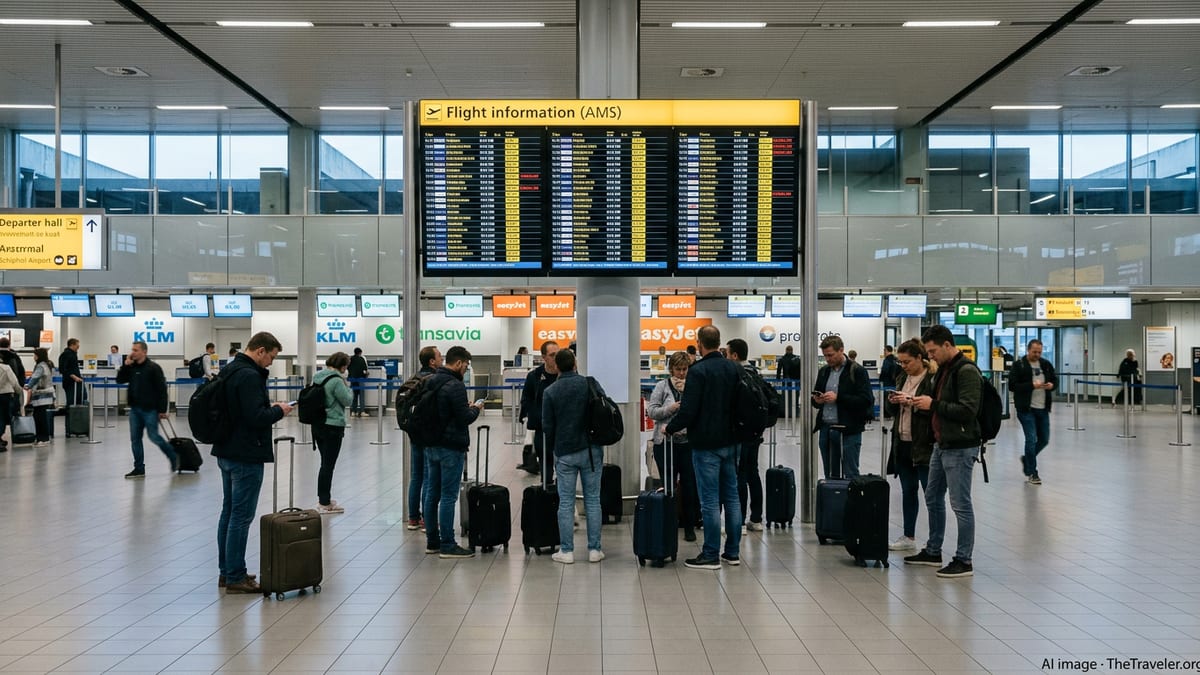
Seven airports singled out for severe delays
Recent coverage of airline advisories indicates that passengers are reporting some of the longest waits at Paris Beauvais in France, Tenerife South, Palma de Mallorca, Alicante and Málaga in Spain, Milan Bergamo in Italy and Kraków in Poland. These airports are among the most heavily used by Irish leisure travellers heading for sun and city breaks, particularly during school holidays.
Reports in Irish and international media state that Ryanair has identified these seven locations as particular pinch points where new EU border procedures are combining with high summer demand to create queues that can stretch for several hours. Some accounts describe passengers standing in line for up to four hours at peak moments, with industry analyses warning that, in worst case scenarios, waits could edge towards six hours if systems falter or staffing falls short during busy bank holiday and changeover weekends.
While flights are largely continuing to operate, travel reporting suggests that the knock-on effects of these delays can include missed onward connections, late-night arrivals at resorts and pressure on airport facilities as large volumes of passengers accumulate in confined landside and arrivals areas.
Entry/Exit System at the heart of congestion
At the centre of the disruption is the European Union’s new Entry/Exit System, a biometric border regime that became fully operational in April 2026 for most non-Schengen short-stay visitors. Travellers from Ireland and the United Kingdom fall into this category and must undergo fingerprinting and facial image capture at their first point of entry into the Schengen Area.
According to aviation industry briefings, the process, which is intended to strengthen security and automate border checks, can take several minutes per passenger, especially for first-time registrations or where technical hiccups occur. When coaches and aircraft arrive in waves during busy periods, this additional processing time multiplies into substantial queues, particularly at airports with limited numbers of EES kiosks or constrained border-control halls.
Trade bodies representing airlines and airports have recently urged European institutions to allow more flexibility in how the system is applied while operators work to increase staffing, expand facilities and fine-tune the technology. Travel trade reports note that some airports are coping relatively well, while others, including several of the Mediterranean gateways popular with Irish tourists, are struggling to match capacity with demand.
Why Irish passengers are feeling the impact
Irish travellers are especially exposed to the current problems because many of the affected airports are primary gateways for sun holidays from Dublin, Cork, Shannon and regional UK airports used by people living in Ireland. Package deals, low-cost fares and frequent direct services concentrate large numbers of families and groups onto peak-hour flights that all arrive within similar time windows.
Publicly available route data and booking patterns show strong Irish demand for the Canary and Balearic Islands, the Spanish costas and city-break favourites in Italy and Poland. When several flights land one after another from Ireland and other non-Schengen countries, passengers can find themselves joining already long queues for EES registration and passport checks.
Travel analysis also highlights that Irish holidaymakers may face compounded disruption when flights to these airports route through crowded European airspace, where separate air traffic control bottlenecks and weather-related restrictions can cause knock-on delays. Any schedule slippage into already busy evening arrival banks can leave passengers navigating border queues late at night, with fewer onward transport options.
What current guidance suggests for summer travel
Airline and airport advisories monitored by travel media broadly recommend that passengers build extra time into every stage of their journey this summer, particularly when flying into or out of the seven airports that have been singled out. For Irish holidaymakers, this typically means arriving at the departure airport earlier than in previous years, allowing generous margins for transfers and being prepared for extended waits on arrival in Europe.
Consumer guidance from travel experts suggests avoiding tight self-booked connections within Europe where possible, especially if the first arrival point is one of the locations already associated with long EES queues. Where connections are unavoidable, passengers are being encouraged to factor in several hours between flights and to choose through-tickets on a single airline or alliance when feasible, to reduce the risk of being stranded.
Irish travellers are also being advised, through widely shared checklists, to keep essentials such as water, snacks, medication and entertainment easily accessible in hand luggage in case of prolonged time in queues. Families with young children, older passengers and those with reduced mobility may need to plan additional support, including advance requests for assistance through their airline or tour operator.
Prospects for the peak holiday period
Industry commentary indicates that the overall outlook for the main July and August holiday period remains mixed. On one hand, European airports and airlines have had several months to prepare for EES and are continuing to adjust staffing rosters, open additional border-control desks where possible and refine passenger-flow management inside terminals.
On the other hand, passenger numbers across Europe have returned to or exceeded pre-pandemic levels, and many of the airports identified as problematic for Irish travellers were already operating close to capacity before the new checks were introduced. Aviation data for recent seasons shows that even relatively small disruptions can cascade quickly at airports with limited spare runway or terminal capacity.
For now, publicly available information suggests that Irish holidaymakers should assume that some level of delay is likely at the busiest European gateways, particularly those already highlighted by airlines. The practical advice remains to travel with flexibility, allow more time than usual at every stage and stay alert to updates from carriers and airports as the summer progresses.