


More news on this day
Senator Elizabeth Warren is intensifying scrutiny of U.S. airlines’ data practices, accusing Donald Trump of shutting down a federal probe into so-called “surveillance pricing” that tailors airfares to passengers’ browsing behavior and personal profiles, a trend she describes as “really creepy.”
Get the latest news straight to your inbox!
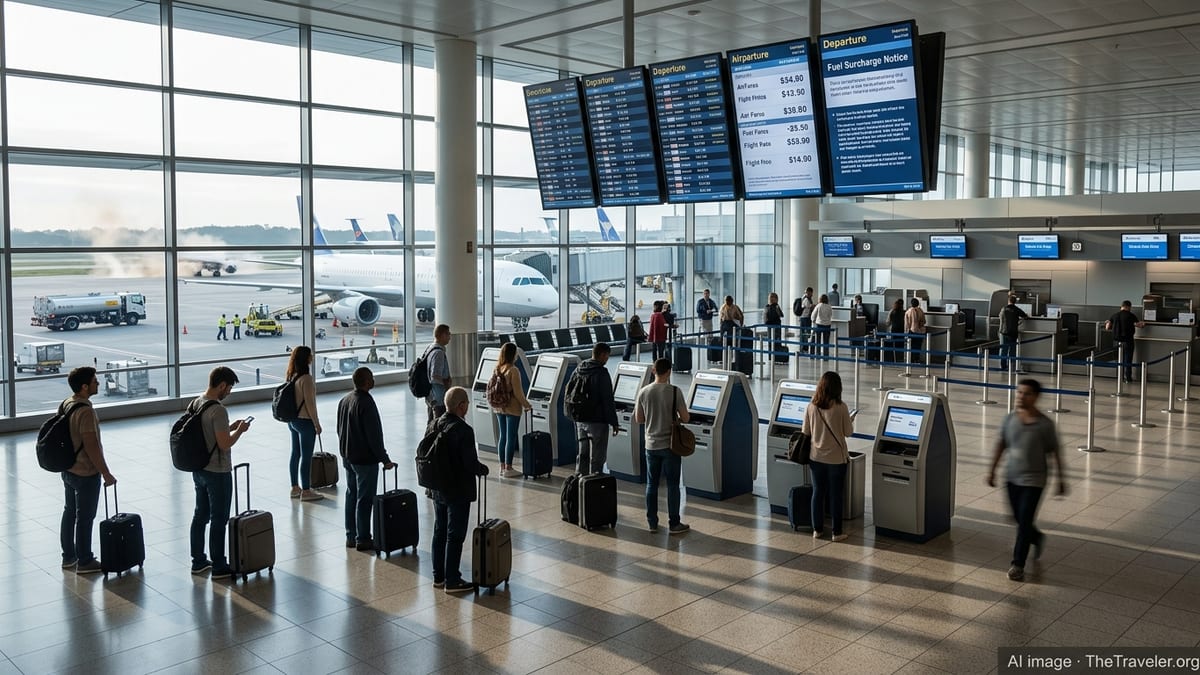
Warren Links Trump to Stalled Surveillance Pricing Inquiry
According to recent congressional remarks and published coverage, Warren has tied former President Trump to an abandoned federal inquiry into how airlines and online travel firms use consumer data to shape the prices individual travelers see. She has argued that regulators began examining whether dynamic pricing models were crossing the line into invasive surveillance, only for the effort to stall once Trump’s appointees took control of key agencies.
Warren’s comments frame the episode as part of a broader pattern in which, she contends, the Trump administration weakened consumer protections in transportation and digital markets. Public records and past reporting describe a series of deregulatory moves affecting airfare disclosures, fees and corporate data practices, which critics say left passengers more exposed to opaque pricing systems.
In her latest statements, Warren has focused specifically on “surveillance pricing,” a term used by privacy advocates for algorithms that adjust prices for the same service based on a detailed digital portrait of each customer. She argues that this goes far beyond traditional yield management and amounts to exploiting travelers’ vulnerability in moments when they have little choice but to buy a ticket.
The renewed attention comes as airlines face growing political pressure over how they collect and monetize passenger data, with lawmakers pressing for greater transparency and clear limits on how much personal information can feed into pricing tools.
How Airlines Turn Browsing Data Into Personalized Fares
Publicly available technical descriptions and consumer complaints indicate that airline and travel booking sites commonly log a wide range of behavioral signals, from search history and route preferences to device type and approximate location. These data points can be fed into machine learning models that estimate how likely a given user is to complete a purchase at different price points.
Industry marketing materials describe systems that update fares in near real time based on demand patterns, remaining seat inventory and competitive offerings. Privacy advocates say the same pipelines can also be tuned to respond to indicators of urgency, such as repeated checks of the same route, last minute date searches, or visits that follow a search for hospitals or funeral homes.
In this model, two travelers searching for the same flight could, in theory, be presented with different prices because the algorithm believes one is less price sensitive than the other. While airlines typically defend their systems as standard dynamic pricing that applies uniformly across users, critics argue that the line between aggregate demand management and individualized targeting is becoming increasingly blurry.
The surge of interest in this issue has been fueled by high profile anecdotes on social media from passengers who say fares jumped after repeated searches or varied sharply across devices and browsers. Experts caution that not every fluctuation reflects personalized pricing, but Warren and other lawmakers assert that the lack of clear disclosure leaves consumers in the dark about how much of what they see is driven by surveillance of their own behavior.
Privacy, Power and the ‘Really Creepy’ Factor
Warren has framed the airline pricing debate within a larger critique of what she calls surveillance driven business models across sectors, from retail and ride hailing to advertising and financial services. In speeches and policy papers, she has argued that the routine harvesting of location traces, browsing histories and app usage turns everyday activities into raw material for profit, often without meaningful consent.
Her description of airline data practices as “really creepy” is aimed at the intimate nature of the signals involved. Flight searches can reveal family emergencies, medical treatment plans, immigration concerns or major life changes. Privacy researchers warn that when such sensitive context is folded into pricing algorithms, the result can resemble a form of digital opportunism, charging more precisely when travelers are least able to walk away.
Consumer advocates say this concern is not simply theoretical. They point to documented cases in other industries where online prices differed by neighborhood, operating system or prior purchasing behavior. Academic work on personalized pricing has likewise highlighted the risk that firms will use increasingly granular data to segment customers and extract higher margins from those deemed willing or desperate enough to pay.
For civil liberties groups, the airline example underscores a broader imbalance of power. Passengers rarely understand what they have agreed to when they click through dense privacy policies or accept cookie banners, yet their decisions can be shaped by unseen models trained on years of behavioral tracking. Warren’s critique seeks to convert that unease into legislative momentum.
Regulatory Momentum and Legislative Proposals
The spotlight on airline data practices coincides with fresh efforts in Congress and several statehouses to clamp down on the use of personal information in pricing. Lawmakers have floated measures that would bar companies from using certain categories of sensitive data, such as health status or precise location, to adjust offers to individual consumers.
Warren and a group of like minded senators have pushed for closing what they describe as a “data broker loophole,” under which firms purchase or share detailed customer profiles from third party data brokers and then quietly incorporate that information into marketing and pricing systems. They argue that this secondary market allows companies to claim they are not directly collecting sensitive data while still benefiting from it.
In the transportation sphere, Warren has previously championed rules requiring automatic cash refunds for canceled or significantly delayed flights and has pressed regulators to crack down on so called junk fees. Her allies say a logical next step is targeted legislation that either bans or sharply limits surveillance based pricing for essential services like air travel.
Regulators are also weighing updates to disclosure requirements, considering whether airlines and online intermediaries should be obligated to inform customers if the prices they see are influenced by their personal data. Privacy advocates contend that without explicit guardrails and transparency, the gravitational pull of algorithmic optimization will continue to push airlines toward ever more invasive forms of targeting.
What Travelers Can Do as Scrutiny Intensifies
As policymakers debate new rules, consumer groups are advising travelers to take practical steps to reduce the amount of personal information that can feed into pricing systems. Common suggestions include shopping for flights in private or incognito browser windows, clearing cookies between searches, comparing fares across multiple devices and using independent fare comparison tools to benchmark offers.
Travel experts note that these techniques are not foolproof. Airlines and travel sites can still rely on IP addresses, account logins and third party analytics tools to build user profiles. However, limiting tracking signals may make it harder for systems to tie specific browsing histories to a single identity, and can sometimes surface lower fares that vanish when a user signs in.
Some passenger advocates are also encouraging travelers to read airline privacy policies more closely and to make use of available data access and opt out mechanisms, particularly where state law grants stronger rights over how personal information is shared or sold. They argue that consistent demand for privacy friendly options can, over time, help reset industry norms.
For now, Warren’s clash with Trump over the shelved surveillance pricing probe has elevated a once obscure technical issue into a national political debate. With airlines, regulators, privacy advocates and travelers all watching closely, the outcome could shape not only how much people pay to fly, but also how far companies can go in mining personal data to decide what any given customer is worth.