


More news on this day
A surge of missile and drone attacks claimed by Yemen’s Houthi movement against Saudi airports and energy sites in October 2026 has pushed Saudi Arabia back into the global spotlight, leaving prospective visitors weighing the country’s ambitious tourism push against rapidly changing security risks.
Get the latest news straight to your inbox!
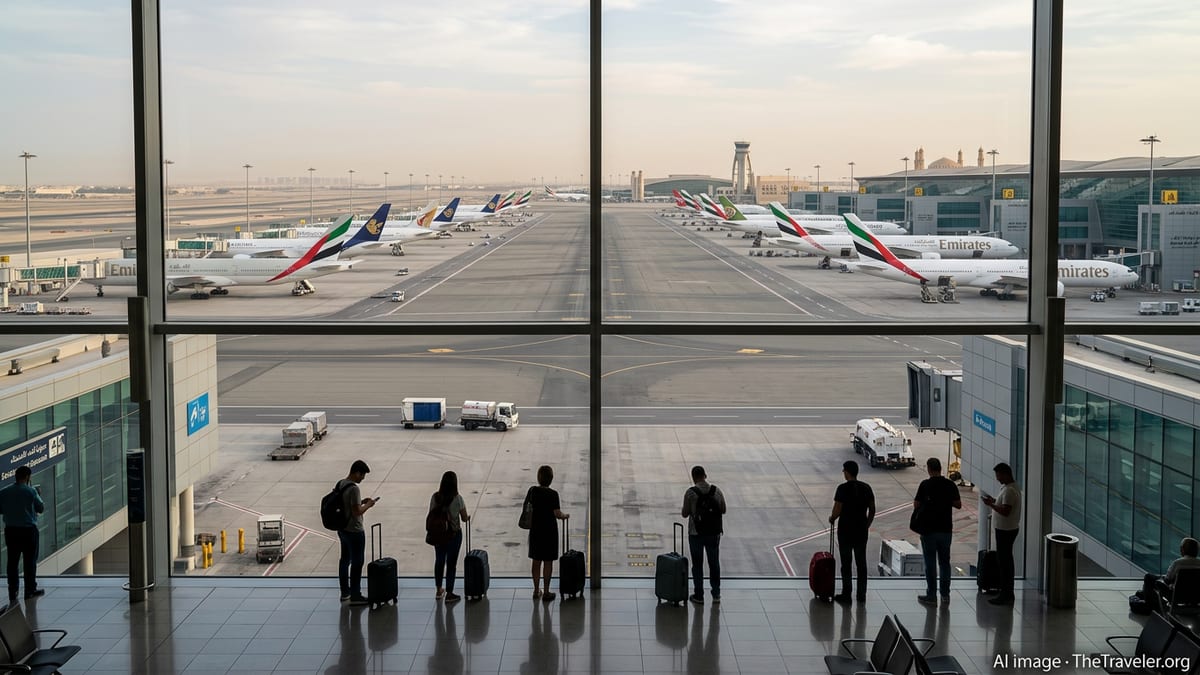
Fresh airport attacks put spotlight on Saudi security
Since early October 2026, Houthi forces based in Yemen have claimed a series of strikes on Saudi civilian aviation facilities, including Riyadh’s King Khalid International Airport, Abha Airport in the southwest and other locations near the Yemeni border. Open source tallies and media reports indicate that coordinated attacks on multiple airports this month have killed more than 20 people and injured hundreds, with several incidents involving ballistic missiles and drones landing in or near passenger terminals.
Coverage by international news outlets describes a particularly deadly strike on King Khalid International Airport on 10 October, which left at least a dozen people dead and hundreds wounded, and led to a temporary closure of the facility. Further attacks and attempted strikes followed in mid and late October, including Houthi claims of firing “dozens” of missiles toward Riyadh’s main airport and bases in Khamis Mushait and Jazan. In several cases, Saudi defenses reported intercepting incoming projectiles, but debris still caused casualties and damage at airports and an oil facility.
Airports in the country’s east have also been targeted. King Fahd International Airport near Dammam, on the Gulf coast, was struck on 22 October, with publicly available reports indicating at least one fatality and multiple injuries. Aviation trackers and incident databases list repeated disruptions at major Saudi airports during October, ranging from full closures to curtailed flight schedules while authorities assessed runway and terminal damage or the risk of renewed attacks.
For travelers, these developments mean that flight cancellations, diversions and extended security checks have become more common, particularly on routes passing through Riyadh and other high profile hubs. Airlines have been adjusting schedules at short notice, and some carriers have temporarily rerouted services to other regional airports when risk levels or damage assessments have increased.
Government travel advisories grow more restrictive
The spike in airport attacks has prompted a rapid tightening of official travel guidance from several governments. As of late October 2026, the United States has issued a Level 3 “Reconsider Travel” advisory for Saudi Arabia, updated on 23 October to reflect the heightened threat to airports and other infrastructure. Public information from the advisory highlights the danger from missile and drone attacks, especially within roughly 20 miles of the Yemeni border, and notes recent deadly incidents at major aviation hubs and energy sites.
Canada currently advises avoiding non essential travel to Saudi Arabia because of the volatile regional security environment and the specific risk of cross border attacks from Yemen. Its travel notice, updated on 22 October, refers to recent strikes on airports and warns that further attacks could occur without warning. Australia has issued similar guidance urging travelers to reconsider plans to visit, citing the threat of terrorism, missile and drone attacks and an unpredictable regional conflict.
The United Kingdom’s travel advice describes a heightened threat of attacks on Saudi airports and refers to the serious incident at King Khalid International Airport on 10 October. British nationals are urged to stay away from that airport in particular while the situation remains fluid and to monitor local media and official channels for updates before traveling. The same advisory also notes restrictions and warnings for areas close to the Yemeni border and other regions where security forces are active.
These advisories do not amount to a universal ban on travel, but they signal that governments judge the risks to be significantly above normal. Travelers from countries that issue strong warnings may find that their insurance coverage is limited or excluded for trips to Saudi Arabia, especially if they visit regions explicitly flagged as higher risk.
Where risks are highest inside the kingdom
Publicly available government guidance and conflict reporting suggest that risk levels differ sharply across Saudi Arabia. The highest danger zones remain near the Yemeni border in the southern provinces of Jazan, Asir and Najran, where cross border fire and drone launches have been recorded for years and where some airports and bases have been repeatedly named in Houthi statements. Many foreign ministries advise against all travel to areas close to this frontier, citing both direct attack risks and ongoing military operations.
Central and western hubs such as Riyadh, Jeddah and the Red Sea megaproject zones are not front line areas, but they are now clearly part of the Houthi targeting map. Riyadh’s King Khalid International Airport has come under especially heavy fire in October, and international coverage has documented multiple lethal incidents there in the space of days. Jeddah’s main airport has faced fewer reported direct hits in this latest wave, yet authorities and airlines have still treated it as a potential target in contingency planning.
In contrast, interior regions away from major airports, oil facilities and military bases have seen fewer high profile incidents in recent months, according to open source conflict trackers. However, government advisories stress that missile and drone attacks can occur far from the border, and that civilian locations such as shopping areas or roads may be affected indirectly by falling debris or misdirected projectiles if interceptions take place overhead.
Travelers who do enter the country are being urged in public guidance to stay alert to local security announcements, avoid sites of obvious strategic value such as oil installations and large military compounds, and limit time spent at major transport terminals when possible. Many embassies encourage nationals to register their presence in Saudi Arabia so they can receive rapid alerts if the security picture worsens.
Impact on flights, visas and religious travel
Despite the latest escalation, Saudi Arabia has not suspended its broad tourism and pilgrimage programs. The country’s e visa system for visitors from dozens of countries remains in place, and tourism visa regulations published by Saudi authorities continue to outline standard entry conditions, including mandatory health insurance and confirmed accommodation. There has been no official indication that the general tourist visa framework is being rolled back, although temporary measures have occasionally been introduced in response to specific regional disruptions.
For air travel, however, the short term impact is significant. Flights through Riyadh in particular have been repeatedly disrupted in October 2026. Some governments have restricted their own personnel from using certain airports or specific domestic routes, and airline booking engines have shown reduced availability on select days following major incidents. Travelers connecting through Saudi hubs may face missed connections, last minute rebookings or diversions to other Gulf airports if the threat level spikes.
Looking ahead to the 2027 Hajj season, which is expected to fall in mid May subject to lunar confirmation, foreign ministries are already signaling that security will be a central concern for any pilgrim planning. While there is no public indication that next year’s Hajj will be canceled, prospective pilgrims are being advised to monitor both Saudi announcements and their own government’s advisories closely, as large concentrations of people moving through key airports could attract hostile attention if the wider conflict remains unresolved.
Those considering travel for business, tourism or religious purposes are also being urged to review insurance policies carefully. Many standard travel insurance products exclude cover for destinations under “avoid non essential travel” or similar warnings or for losses directly related to acts of war and terrorism. Prospective visitors may need to seek specialized coverage or accept that some risks cannot currently be insured.
Practical steps for travelers weighing a trip
With conditions evolving quickly, the first recommendation from public information sources is to check your own government’s latest advisory immediately before booking and again just before departure. Changes this month have come with little notice, and in some cases have included ordered departures of non essential diplomatic staff following deadly attacks. Travelers who rely only on airline schedules or tourism marketing material may not see these shifts in risk reflected in time.
Security experts and official advisories also emphasize route and timing choices. Where possible, travelers can consider itineraries that avoid prolonged layovers at Riyadh’s King Khalid International Airport or airports close to the Yemeni border, opting instead for routes via Jeddah, Dammam or non Saudi hubs in the region, provided that these options are assessed as safer by current guidance. Even when flying into or out of higher risk airports, spending less time landside and proceeding promptly through formalities can reduce exposure to crowded public areas.
On the ground, publicly available guidance suggests staying in accommodation with established security measures, carrying identification at all times and keeping a low profile, particularly near sites linked to the energy sector or the military. Travelers are advised to maintain flexible plans that allow for sudden curfews, road closures or airport shutdowns and to keep digital copies of travel documents accessible if rapid changes in itinerary become necessary.
Ultimately, whether it is “safe” to travel to Saudi Arabia in late 2026 depends heavily on an individual’s risk tolerance, itinerary and reason for travel. The country continues to welcome visitors and invest heavily in tourism, but the pattern of recent Houthi attacks on airports and other infrastructure has introduced a level of uncertainty that travelers cannot ignore. For now, the most consistent message from official advisories is caution, close monitoring of developments and a willingness to postpone or reroute trips if the security trend worsens.