


More news on this day
Israel’s National Security Council is warning of a heightened risk of terror attacks against Israelis and Jewish communities abroad around the October 7 anniversary, urging travelers and diaspora communities to exercise increased vigilance at synagogues, community centers and Israeli-linked sites worldwide.
Get the latest news straight to your inbox!
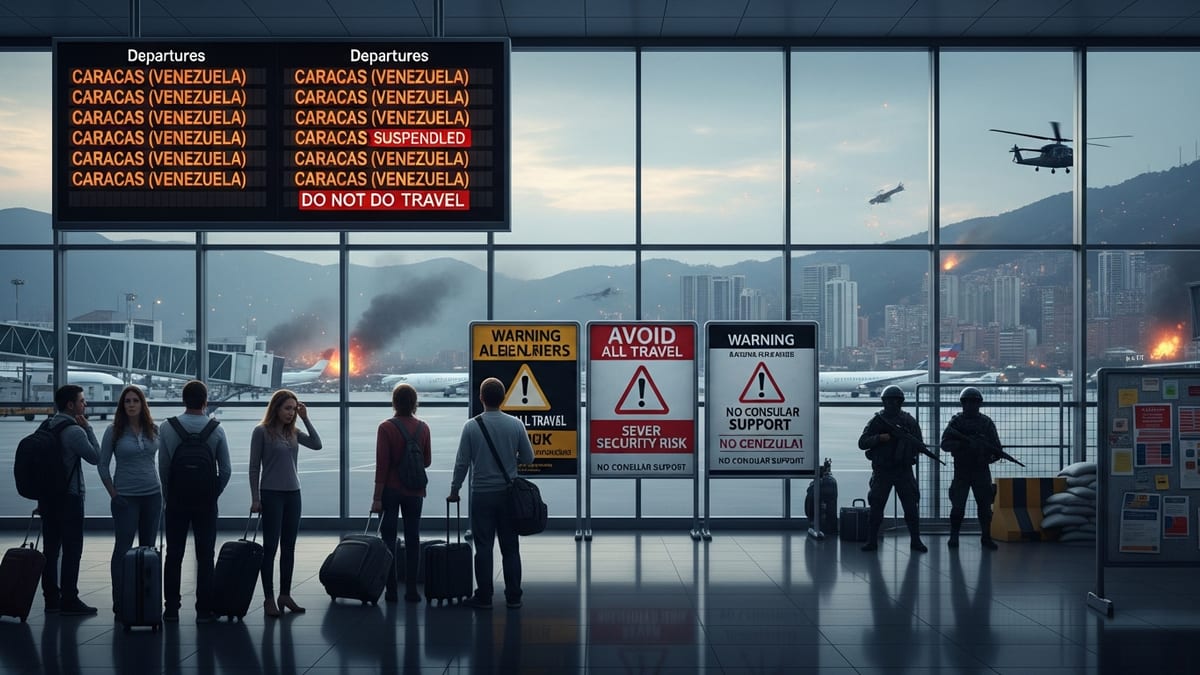
Travel alert highlights Oct. 7 as a symbolic target date
Publicly available information shows that Israel’s National Security Council has issued an updated travel warning ahead of the third anniversary of the October 7, 2023 Hamas-led attacks. The assessment describes tomorrow’s date as a potential focal point for terrorist activity against Israelis and Jews abroad, including both organized plots and so-called lone-actor attacks.
The latest advisory states that terrorist organizations aligned with Iran, Hamas and global jihadist movements view the anniversary as a “significant milestone” and may try to exploit memorial events, demonstrations and large public gatherings. According to published coverage, the warning was distributed through the Prime Minister’s Office and amplified by Israeli embassies and consular posts in multiple countries.
The alert does not single out specific cities, but it emphasizes that locations clearly identified with Israel or Jewish life remain at elevated risk. These include synagogues, Chabad centers, Israeli restaurants and cultural venues, Israeli airline counters and airport check-in areas, as well as organized events marking the October 7 anniversary.
In recent months, Israel’s security assessments for citizens overseas have repeatedly referenced the symbolic power of October 7 for extremist groups. Reports indicate that attempted attacks and disrupted plots in North America and Europe have already been timed to Jewish holidays or previous October 7 milestones, reinforcing concerns that this year’s date could draw renewed attention from would-be attackers.
Guidance for Israelis and Jewish travelers abroad
The National Security Council’s guidelines call on Israelis planning trips to review the official travel alert for their destination country before purchasing tickets and again before departure. The advice, based on publicly available government guidance, urges travelers to avoid areas where protests or counter-protests related to the Gaza war or the October 7 anniversary are announced or underway.
Travelers are encouraged to refrain from displaying visible Israeli symbols in unfamiliar or tense environments, such as flags, sports jerseys or clothing in Hebrew. The guidance also advises avoiding discussions about military or reserve service, or about Israel’s security situation, with strangers and on open social media channels during trips.
The advisory underscores the importance of following local security instructions at airports, hotels and event venues, and of paying attention to unusual behavior or unattended items. Israelis abroad are urged to keep copies of passports and travel documents separate from the originals and to share itineraries and accommodation details with close contacts at home.
For those who believe they may have encountered a concrete threat, public information from the National Security Council indicates that individuals should first contact local police or emergency services in the country where they are staying. After notifying local responders, Israelis can reach the National Security Council’s 24-hour hotline for terrorism-related travel issues, as well as the Foreign Ministry’s separate emergency line for consular or medical assistance.
Rising antisemitic incidents frame security concerns
The sharpened warning around the October 7 anniversary comes against a backdrop of elevated antisemitic incidents since the start of the Gaza war. Monitoring organizations and official statistics in countries such as France, the United Kingdom and Australia have documented sharp increases in harassment, vandalism, online hate and occasional violent attacks targeting Jewish individuals and institutions after October 2023.
Data compiled by international and national watchdog groups indicate that synagogues, Jewish schools, community centers and businesses have required expanded security measures in several major cities. Community organizations in Europe and North America report deploying additional guards, installing reinforced entry barriers and coordinating more closely with local police in anticipation of large rallies and sensitive dates related to the conflict.
For Israeli tourists and Jewish travelers, this environment has practical implications. Security specialists cited in open-source reporting recommend choosing accommodation in well-trafficked areas, checking whether hotels and tour operators have established security procedures, and monitoring local news in the days leading up to October 7 for any mention of protests, threats or altered policing levels near Jewish neighborhoods.
Jewish and Israeli-linked events marking the anniversary, such as memorial gatherings, lectures or vigils, may be accompanied by visible police deployments or private security. Public information from community bodies in several countries indicates that organizers are coordinating with local authorities, adjusting venue layouts and, in some cases, moving events to less public locations to reduce potential exposure.
Security measures tighten around Jewish sites worldwide
According to international media coverage, authorities in a number of Western capitals have already increased patrols around synagogues, community centers and Israeli diplomatic missions ahead of the anniversary. In some cities, community security organizations report working in tandem with law enforcement to map high-profile locations and adjust protective measures for the coming days.
Airports that host multiple flights to and from Israel, especially in Europe and the Middle East, have also drawn added scrutiny. Past incidents and foiled plots involving flights linked to Israel have prompted a review of airport security procedures, passenger screening and access to restricted areas. The new Israeli advisory reinforces existing recommendations that citizens arrive early for flights, cooperate fully with security protocols and report concerning behavior in terminals or at check-in counters.
In popular destinations for Israeli tourists, such as Mediterranean resort hubs and major European city centers, hotel operators and tour companies have been briefed in recent months on the heightened risk climate. Publicly available guidance from Israel’s National Security Council stresses that while most trips proceed without incident, the combination of political tension, online incitement and large public gatherings around October 7 increases the chance of opportunistic attacks.
Jewish institutions outside Israel are responding in varied ways. Some are keeping regular schedules while quietly reinforcing entry checks, while others are relocating children’s activities away from street-facing spaces or temporarily postponing large open-air events. Communications from several community bodies advise congregants to maintain routine as far as possible, while remaining attentive to surroundings and following any special instructions in coming days.
What the new warning means for upcoming travel plans
For travelers with imminent departures, the upgraded alert does not automatically require canceling trips, but it may influence destination choices and daily routines abroad. The National Security Council’s guidance continues to differentiate between countries with specific, high-level warnings and those where the concern centers on localized demonstrations or individual extremists inspired by online propaganda.
Israeli citizens are advised to check the official travel alert grading for each country, which ranges from general caution to recommendations against nonessential travel. Where the threat level is assessed as higher, travelers are encouraged to shorten trips, avoid nightlife districts associated with political activism, and limit visits to visibly Israeli or Jewish venues to those with strong, visible security.
The updated message ahead of the October 7 anniversary also highlights the importance of staying reachable. Travelers are encouraged to ensure that mobile phones work in destination countries, keep devices charged, and maintain regular contact with family or friends in Israel. Registering contact details with airline frequent-flyer profiles or travel agencies can help carriers reach passengers quickly if there are schedule changes or security-related disruptions.
For many Israelis and members of the Jewish diaspora, the anniversary of the 2023 attacks carries deep emotional weight as well as practical safety considerations. Publicly available information shows that governments, airlines, Jewish organizations and independent security experts are treating the date as a sensitive period, aiming to balance commemoration and normal travel activity with a more vigilant posture in public spaces worldwide.