


More news on this day
Air travel across Italy faced significant disruption as Rome Fiumicino, Milan Malpensa, Milan Linate and Naples International airports collectively recorded 493 delayed flights and 10 cancellations in a single operational window, affecting services on ITA Airways, Ryanair, easyJet, Lufthansa and a range of other carriers on both domestic and international routes.
Get the latest news straight to your inbox!
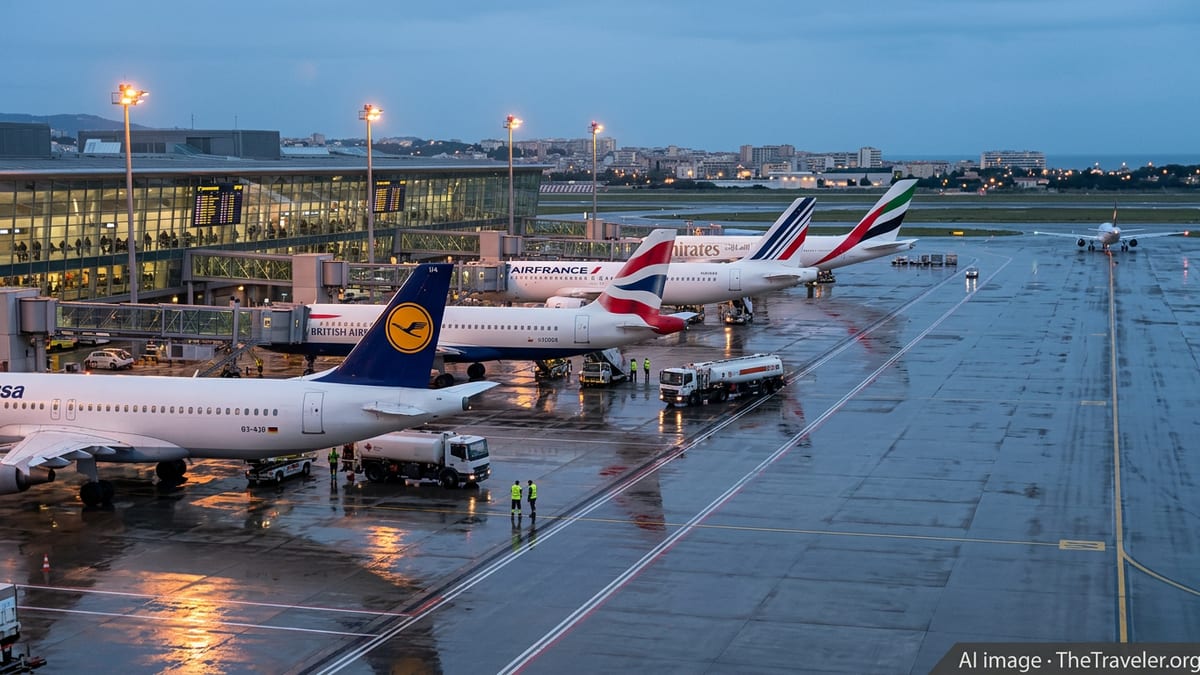
Major Italian Hubs Struggle With Daylong Operational Strain
The latest disruption underscores how exposed Italy’s busiest hubs are to even short bursts of operational stress. Rome Fiumicino, the country’s primary international gateway and main hub for ITA Airways, handled the highest concentration of delayed departures and arrivals, with traffic knock-on effects visible across key domestic links to Milan and Naples as well as European connections.
Published coverage and live flight-tracking data indicate that Milan’s dual-airport system, Malpensa and Linate, also saw cascading delays as ground handling, slot availability and aircraft rotations struggled to recover. The disruption spilled into evening operations, affecting both short-haul shuttles and longer European sectors operated by ITA Airways, Ryanair, easyJet, Lufthansa and other carriers.
Naples International Airport, a growing base for low cost and leisure traffic, reported a smaller but still significant share of delays as turnaround times lengthened on popular domestic links, notably routes to and from Milan and Rome. Even where flights were not cancelled outright, late arrivals reduced the buffer for subsequent departures, narrowing options for rebooking and same-day recovery.
Although only 10 flights were cancelled across the four airports during the affected period, the unusually high total of 493 delays meant that thousands of passengers encountered missed connections, missed cruises and lost hotel nights as schedules across Italy’s dense domestic network and key European city pairs were pushed off track.
Impact on ITA Airways, Low Cost Carriers and Legacy Networks
The disruption hit a broad spectrum of airlines, from Italy’s flag carrier to pan-European low cost operators and major network carriers. Publicly available information shows that ITA Airways, which relies heavily on Rome Fiumicino and Milan Linate as a hub-and-spoke system, was particularly exposed, with delays on trunk routes between Rome, Milan and Naples complicating onward connections to European and intercontinental services.
Ryanair and easyJet, which operate large point-to-point networks from Malpensa, Linate, Naples and other Italian airports, also featured prominently among the delayed operations. These airlines typically run tight aircraft rotations; when an early sector departs late, the delay can ripple across several flights in the same day, amplifying the impact on passengers even when no single flight is cancelled.
Lufthansa and other network carriers connecting Italy to major European hubs, including Frankfurt, Munich and Paris, experienced schedule knock-ons as well. Delays originating in Italy can quickly affect hub banks designed around narrow connection windows, causing missed onward links for travelers heading to North America, the Middle East and Asia.
For airlines, such widespread disruption increases operating costs through extra fuel burn on longer routings around congestion, additional staffing and customer care obligations, and the need to reposition aircraft and crews. For travelers, the practical consequences range from long queues at rebooking desks to unplanned overnight stays in hub cities.
Passenger Experience: Long Queues, Tight Connections and Missed Plans
For passengers passing through Fiumicino, Malpensa, Linate and Naples, the disruption translated into long waits at departure gates, sudden changes to boarding times and uncertainty over whether tight connections would hold. Travelers on multi-leg itineraries, particularly those combining domestic Italian sectors with long-haul flights, were among the most vulnerable to missed onward journeys.
Reports from recent episodes of disruption at Italian airports suggest that long lines at security, border checks and check-in counters can quickly compound flight delays when passenger volumes are high. New or updated border-control procedures at some European gateways have occasionally added processing time, which can further strain already busy terminals during peaks.
Families, tour groups and cruise passengers were especially affected when delays on inbound flights to Italy overlapped with fixed departure times for cruises and organized tours. In several recent cases documented in consumer-rights coverage, passengers arriving late to ports or rail connections faced additional out-of-pocket costs to rejoin itineraries or rebook onward travel.
Even in situations where flights operated but arrived hours behind schedule, travelers often encountered difficulties securing timely information about gate changes, baggage status and rebooking options. Inconsistent communication between airline apps, airport displays and third-party booking platforms can increase stress for passengers who must make quick decisions about alternative arrangements.
Underlying Pressures: High Traffic, Strikes and Capacity Constraints
The latest disruptions come against a backdrop of rising traffic across Italian airports and across Europe more broadly. Recent European airport statistics show that Rome, Milan and Naples have continued to grow passenger volumes compared with pre-pandemic baselines, putting pressure on runway capacity, terminal infrastructure and staffing levels at peak times.
At the same time, Italy’s aviation sector has experienced a series of localized strikes and industrial actions in recent seasons, affecting air traffic control, ground handling and airline staff on selected days. While the current wave of delays is not attributed to a single nationwide work stoppage, the system’s overall resilience is affected when schedules are already tight and recovery margins are limited.
Weather patterns, including isolated thunderstorms over central and northern Italy and congestion in neighboring European airspace, regularly lead to flow-control measures that slow departures and arrivals. When such constraints coincide with busy weekends or holiday periods, flight rotations can quickly slip behind schedule, and operators may resort to tactical cancellations of low-priority sectors to protect core routes.
Observers of European air traffic performance note that carriers such as Ryanair and easyJet remain among the region’s highest-volume operators, which can magnify the visibility of any disruption. When even a small percentage of their daily flights are delayed, the absolute number of affected passengers is large, and social media attention can make individual incidents particularly prominent.
What Travelers Can Do if Their Italy Flight Is Disrupted
Consumer-rights organizations advise passengers transiting Italian hubs to monitor flight status closely on the day of travel, using both official airline apps and airport information channels. When large numbers of delays are reported, travelers are often encouraged to head to the airport earlier than usual, particularly when connecting between separate tickets or between different airlines.
Under European air passenger rights rules, many travelers whose flights are significantly delayed or cancelled may be entitled to assistance such as meals, refreshments and accommodation, and in some circumstances to financial compensation. Eligibility depends on factors such as flight distance, length of delay and the reason for the disruption, and may differ between EU and non-EU carriers and routes.
Travelers are also urged to keep boarding passes, booking confirmations and receipts for any extra expenses incurred while stranded, as these documents can support later claims with airlines or specialized compensation services. Where rebooking is necessary, some passengers may find better options by checking alternative airports within Italy, such as nearby regional gateways, and considering rail links for domestic segments.
For those with imminent trips through Rome Fiumicino, Milan Malpensa, Milan Linate or Naples International, recent disruption serves as a reminder to build additional time into connections, avoid last departures of the day when possible and maintain flexible hotel and tour reservations. As Italy heads into the peak summer season, operational resilience at its key airports will remain a critical factor shaping the travel experience for millions of visitors and residents alike.