


More news on this day
Transavia is sharpening its focus on sun and city breaks across Europe as it grows its Dutch and French operations, increasing capacity from the Netherlands to Spain, Greece, Portugal, Morocco, Italy and Croatia for the 2025 and 2026 seasons.
Get the latest news straight to your inbox!
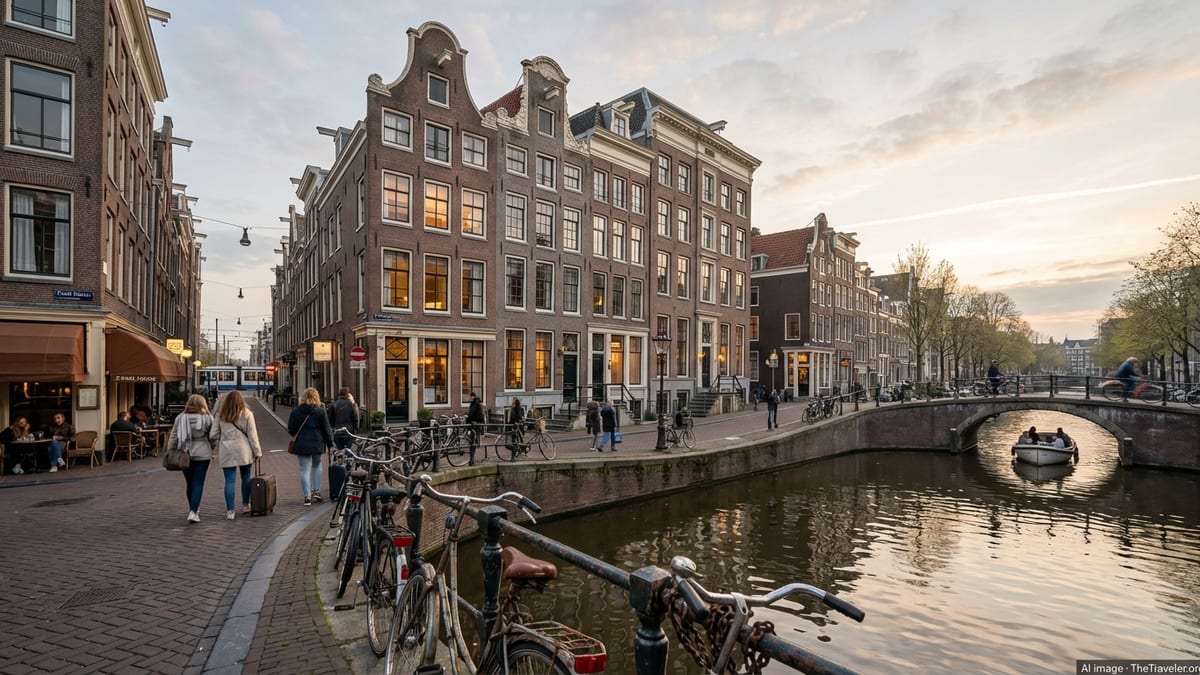
Netherlands at the Heart of Transavia’s Growth Strategy
The Netherlands is emerging as a central pillar in Transavia’s latest growth phase, with Amsterdam Schiphol consolidating its role as a primary gateway to Mediterranean and southern European destinations. The airline’s Dutch arm expanded its Airbus A321neo fleet in 2025 and is using the additional capacity to reinforce leisure routes into Spain, Italy, Greece, Portugal and Croatia, while continuing to scale services to Morocco.
Corporate filings and company data indicate that Transavia Netherlands carried around 9.5 million passengers recently, with a network heavily focused on point to point leisure traffic. The strategy prioritises affordable, high frequency links from Dutch airports to established resort markets along the Mediterranean, positioning the carrier as a key player for package operators and independent travelers seeking flexible short breaks.
The expansion comes as European tourism rebounds and demand for beach and city trips remains strong. Industry reports for 2025 show southern Europe leading new route growth, with Mediterranean countries such as Spain, Italy, Greece, Portugal, Morocco and Croatia among the most dynamic markets for capacity additions. Transavia’s latest schedules place the Netherlands firmly within that broader regional trend.
Morocco and Southern Europe See New Dutch and French Links
North Africa, and Morocco in particular, is one of the headline winners from Transavia’s current network plans. In November 2025, the airline inaugurated a new route from Amsterdam to Rabat, adding the Moroccan capital to existing destinations such as Marrakech, Agadir and other leisure-focused cities. Publicly available information shows the Amsterdam–Rabat route operating three times weekly as part of a winter 2025–2026 program that lifts total frequencies between the Netherlands, Belgium and Morocco to nearly 55 flights per week.
In parallel, Transavia France is executing a large capacity build-up into Morocco from French regional bases. Announcements made in cooperation with the Moroccan National Tourist Office describe an increase of roughly 25 to 30 percent in seat capacity from winter 2025, including 14 new routes and more than 130,000 additional seats. These moves consolidate Morocco’s status as a core destination in the airline’s Mediterranean portfolio and offer Dutch travelers more options via connections and mixed itineraries.
Southern Europe is also seeing a flurry of adjustments. Schedules for 2025 and the upcoming 2026 summer indicate reinforced links from Dutch airports to Spain, Italy, Portugal, Greece and Croatia, complemented by new or expanded services from French bases such as Paris Orly, Lyon, Nantes, Marseille and Montpellier. Together, the Dutch and French networks push more capacity into traditional holiday areas around the Iberian Peninsula, the Italian and Dalmatian coasts and the Greek islands.
Spain Remains Transavia’s Powerhouse Market
While the Netherlands provides the strategic platform, Spain continues to be Transavia’s single largest market by capacity, underpinning the wider Mediterranean push. Coverage in Spanish business media for early 2026 notes that the airline carried around 7.5 million passengers to and from Spain in 2025, up more than 10 percent year on year, operating 54 routes from 18 Spanish airports and linking them primarily with France and the Netherlands.
Looking ahead to summer 2026, the company has signalled plans to increase its Spanish capacity further, offering approximately 6.1 million seats on routes connecting Spain with major European markets. This includes additional links from cities such as Seville, Málaga and Gran Canaria to French regional airports, complementing established flows into Amsterdam and Rotterdam. For travelers originating in the Netherlands, this translates into dense frequencies to popular coastal regions and improved access to secondary Spanish cities that historically had fewer direct options.
For holidaymakers, the practical impact is greater choice on flight times, more weekend-friendly schedules and a wider spread of departure airports within Spain. It also reinforces Transavia’s role as a bridge between Dutch and French travelers and Spanish tourism regions, from the Canary and Balearic islands to mainland resort areas along the Costa del Sol and Costa Blanca.
What This Means for Travelers to Greece, Italy, Portugal and Croatia
The same capacity story is increasingly visible in other Mediterranean markets. Route and timetable data for summer 2025 and beyond show Transavia strengthening seasonal operations to Greek islands, Italian coastal cities, Portuguese Algarve gateways and Croatian Adriatic airports. Although individual routes may shift year by year, the overall pattern points to recurring summer links that allow travelers from the Netherlands to reach mid sized regional airports closer to resort areas.
For Greece, that typically means charter heavy destinations such as Heraklion, Rhodes and other islands that see spikes in demand from May to October. Italy benefits through routes to cities that serve both beach and cultural tourism, while Portugal sees sustained demand into Faro and other southern airports popular with Dutch and French visitors. Croatia remains a smaller but fast-growing element, with summer connectivity into Dalmatian coastal gateways aligned with the country’s positioning as a rising Mediterranean destination.
Travelers planning itineraries that combine multiple countries can use the expanded network to construct open jaw trips, such as flying from the Netherlands into Spain and returning from Italy or Croatia. The mix of Dutch and French bases also opens possibilities for combining Amsterdam or Rotterdam with regional French airports as entry or exit points when exploring the wider Mediterranean basin.
Practical Tips: Booking, Airports and Seasonality
For passengers, the broadened network brings opportunity but also a few practical considerations. As Transavia’s Mediterranean offering is highly seasonal, many routes operate primarily from late spring through early autumn, with frequencies peaking in school holiday periods. Travelers aiming for quieter airports and lower fares may find better availability in May, June and late September, when capacity is still high but demand slightly softer than in midsummer.
From the Dutch side, most routes originate at Amsterdam Schiphol, though some seasonal flights also operate from regional airports such as Eindhoven or Rotterdam. In practice, Amsterdam remains the main hub for reaching Spain, Greece, Portugal, Italy, Croatia and Morocco, especially on dates outside peak holiday weekends. Passengers connecting from long haul flights into Schiphol should allow sufficient time between arrival and Transavia departures, as tickets are generally sold on a point to point basis and minimum connection guarantees can be limited.
Given the scale of Transavia’s presence in Spain and the growth in North African and Mediterranean operations, travelers may wish to compare fares and departure airports across both the Dutch and French networks. In some cases, starting a journey from Paris Orly, Lyon, Nantes or Marseille can unlock competitive prices or more convenient timings to certain Greek islands or Moroccan cities, while Amsterdam offers superior choice for Spain, Portugal, Italy and Croatia.