


More news on this day
Travellers flying with British Airways, Ryanair, easyJet and other European carriers are facing a turbulent start to the peak travel season, as a mix of technical problems, fuel-supply concerns, new border controls and air traffic bottlenecks triggers waves of delays and cancellations across the continent.
Get the latest news straight to your inbox!
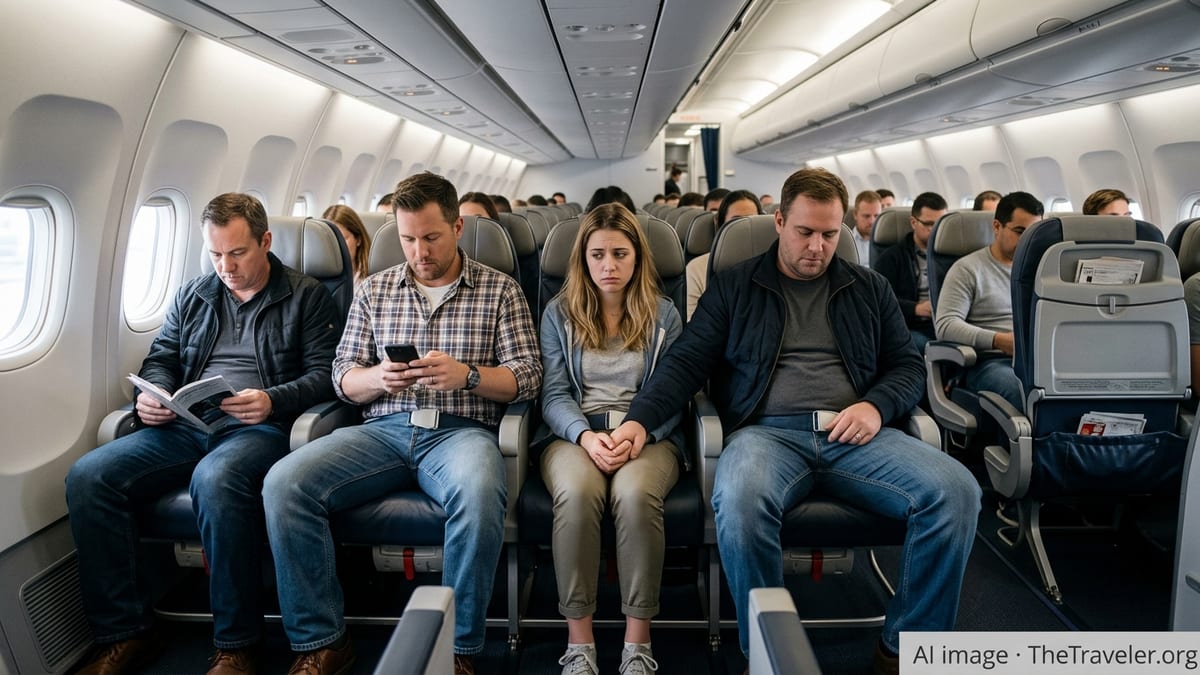
British Airways Disruptions Highlight Fragile Operations
British Airways has once again become a focal point for disruption in Europe, with recent scheduling changes and scattered cancellations drawing attention to the carrier’s ongoing operational fragility. Passenger reports and flight-tracking data indicate that select short and medium haul services, including routes to popular leisure destinations, have been pulled or heavily adjusted in the weeks leading into May 2026. These changes follow years in which IT issues and system outages periodically forced the airline to ground or delay flights at London Heathrow and Gatwick, underscoring how quickly technical weaknesses can cascade into large numbers of stranded travellers.
Publicly available information on consumer forums and tracking platforms in early 2026 points to intermittent IT glitches still affecting British Airways’ check in, documentation handling and customer-notification systems. While these issues have not yet produced a single headline-grabbing meltdown on the scale of past outages, they are contributing to last minute schedule reshuffles and instances in which passengers discover that flights are cancelled or altered only shortly before departure.
Industry coverage also notes that British Airways, like many legacy carriers, is juggling tight aircraft utilisation and high demand on hub routes. That leaves relatively little slack in the system when a single technical issue, weather problem or late inbound aircraft disrupts the rotation. In practice, this can mean knock on delays lasting several hours or, in some cases, full cancellations where crew time limits or airport curfews come into play.
Ryanair and easyJet Warn of Fuel and Border-Related Delays
Low cost rivals Ryanair and easyJet are contending with their own set of challenges, which are adding to the broader European disruption picture. In April 2026, multiple reports highlighted warnings from both airlines that fuel supply constraints at certain European airports could trigger delays and selective cancellations from May onward, particularly if stocks tighten during peak holiday travel. Executives have publicly described a fragile situation at some hubs, where limited jet fuel reserves and more complex delivery routes leave little margin for unexpected demand surges.
At the same time, the rollout of the European Union’s new Entry Exit System, which records biometric data for many non EU travellers, is creating severe bottlenecks at passport control in several countries. Guidance documents and consumer reporting show that easyJet and Ryanair flights have in some cases departed with seats empty while booked passengers remained stuck in multi hour border queues. This dynamic does not appear as a traditional delay in airline statistics but still translates into missed trips, rebooking headaches and compensation disputes.
Travel industry analyses suggest that low cost carriers are particularly exposed when border processing slows. Their business models rely on fast aircraft turnarounds and tight schedules, leaving limited room to hold departures while passengers clear unexpectedly long lines. As a result, even when Ryanair and easyJet maintain punctual departures, the combination of fuel uncertainty and border delays is producing significant perceived disruption for travellers on both inbound and outbound journeys.
Air Traffic Control and Network Congestion Amplify Problems
Beyond individual airline issues, the wider European air traffic system is under sustained pressure. Recent overviews from Eurocontrol and other aviation bodies show that total flight numbers across Europe continued to edge higher in early 2026 compared with the previous year, while airspace rerouting linked to geopolitical tensions in the Middle East has pushed more traffic into already busy corridors. Air traffic control capacity and staffing are highlighted as a leading cause of en route delays, accounting for a substantial share of minutes lost per flight.
When controllers restrict flows into key sectors, airlines from British Airways and Lufthansa to Ryanair, easyJet and Wizz Air are forced to absorb extended airborne holding patterns or ground delays before departure. These bottlenecks then ripple through the daily schedule, creating missed connections at hub airports and forcing carriers to prioritise certain flights over others when aircraft and crews are in the wrong place at the wrong time.
Weather remains another compounding factor, particularly during spring storms and summer heatwaves. Published data from previous seasons shows that convective weather in central and southern Europe can rapidly trigger large clusters of delays as aircraft are rerouted or held on the ground. In a system already stretched by fuel concerns, border queues and technical issues, even relatively routine thunderstorm activity can tip operations into widespread disruption affecting hundreds of flights.
What Travellers Need To Know Right Now
For passengers planning trips with British Airways, Ryanair, easyJet or other European airlines in the coming weeks, recent patterns point to a higher-than-normal chance of disruption, even when no single crisis dominates headlines. Industry guidance and consumer advocacy groups consistently recommend building in extra time and flexibility, particularly when itineraries involve connections at major hubs such as London Heathrow, London Gatwick, Madrid, Lisbon, Milan, Berlin or Paris.
Travel advice published in recent weeks stresses the importance of arriving well ahead of departure when the new Entry Exit System may apply, with some airport and airline sources suggesting three to four hours for non EU passengers at busy times. Travellers are also encouraged to avoid tight self connected itineraries, where separate tickets on different airlines leave them without protection if an initial leg is delayed or cancelled.
Another key message from passenger rights organisations is to understand the scope of European compensation rules before travelling. Under EU261 regulations, travellers on flights departing from the EU or operated by an EU or UK carrier can be entitled to refunds, re routing and, in some cases, fixed compensation payments when flights are cancelled or heavily delayed for reasons within the airline’s control. However, disruptions linked to extraordinary circumstances such as air traffic control restrictions, severe weather or certain border processing issues may fall outside those compensation thresholds.
Looking ahead to the peak summer months, analysts note that the same structural pressures now visible in May are likely to intensify as traffic grows. If fuel supply remains tight at particular airports, if EES border delays persist and if air traffic control capacity does not keep pace with demand, the combination may mean that even small technical faults or schedule changes at airlines like British Airways, Ryanair and easyJet can once again snowball into long days of queues, cancellations and missed holidays for travellers across Europe.