


More news on this day
A historic squeeze on jet fuel supplies is beginning to upend air travel at major United States hubs, with San Francisco now joining Chicago, Dallas, Austin-Bergstrom and other airports facing higher prices, tighter capacity and mounting schedule disruptions as a global energy shock ripples through the aviation system.
Get the latest news straight to your inbox!
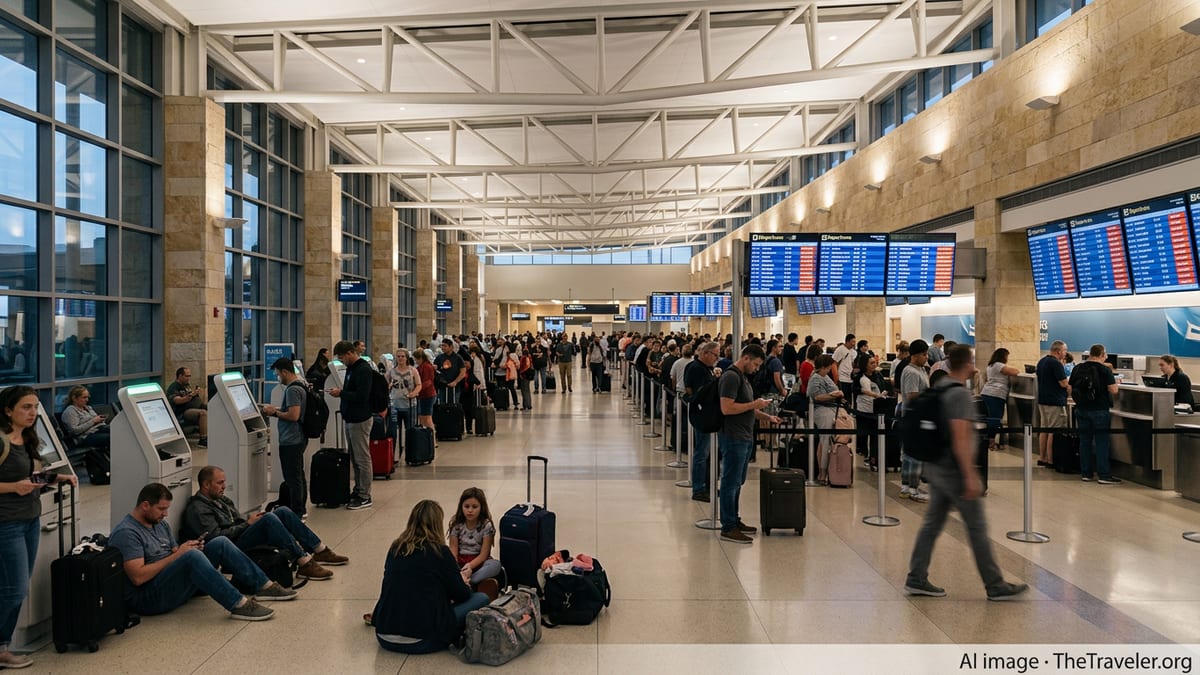
A Global Fuel Shock Reaches America’s Busiest Gateways
The current turbulence for air travelers starts far from U.S. shores. Disruption to oil shipments through the Strait of Hormuz during the war with Iran has removed a critical artery for global jet fuel, pushing wholesale prices sharply higher and shrinking available supply. Analysts describe the shock as one of the most severe hits to aviation fuel since the 1970s energy crisis.
Industry data cited in recent energy and policy briefings show U.S. jet fuel inventories trending toward their lowest days of supply in more than six decades as refineries struggle to replace lost flows from the Gulf region. Consultancy summaries of federal forecasts indicate overall U.S. jet fuel cover could fall to about three weeks’ worth of demand in 2026, heightening vulnerability at busy hubs.
Reports from financial and trade outlets highlight that the pressure is uneven but intensifying. Chicago has emerged as the most expensive jet fuel market in the country, with spot prices recently topping five dollars per gallon, while coastal states including California are experiencing the tightest physical supplies. Airlines are responding through network cuts, fare hikes and heavier use of fuel surcharges, moves that directly affect tourists planning trips through U.S. gateway airports.
San Francisco: Runway Constraints Meet a Fuel Crunch
San Francisco International Airport is already under strain from operational changes unrelated to the fuel market. At the end of March, the Federal Aviation Administration permanently ended simultaneous side by side landings on closely spaced runways at SFO, citing safety considerations. Aircraft must now approach in more staggered patterns, which has reduced arrival capacity during busy periods and made the airport more sensitive to weather and congestion.
That backdrop has collided with tighter fuel conditions on the U.S. West Coast. Recent coverage of California’s energy market shows jet fuel inventories at their lowest levels in roughly two and a half years, following a drop of nearly one million barrels from last year’s peak. Analysts note that California’s geography and refining profile make it particularly exposed to global supply shocks, with fewer alternative supply routes compared with some other regions.
For tourists, the combination means less margin for error. SFO has already seen repeat ground stops and extended delays this spring due to storms and construction work. With fuel now more expensive and harder to source, airlines have less flexibility to add recovery flights or reposition aircraft on short notice, raising the risk that individual weather events or operational glitches cascade into multi-day disruptions for visitors connecting through the Bay Area.
Chicago, Dallas and Austin-Bergstrom Feel the Squeeze
While San Francisco grapples with capacity limits and West Coast fuel tightness, mid-continent hubs are being hit hardest on price. Recent market reports indicate that Chicago’s jet fuel has become the costliest in the United States, after war-related supply constraints collided with scheduled refinery maintenance in the Great Lakes region. Higher fuel bills are feeding directly into airline cost bases at O’Hare, historically one of the world’s busiest connecting airports.
Local travel coverage in Chicago points to a difficult summer outlook: rising fares, selective capacity reductions and additional scheduling constraints imposed by regulators to prevent gridlock. Airlines are already trimming some frequencies and consolidating flights, a pattern that tends to leave leisure travelers with fewer departure time options and tighter connections.
Farther south, Dallas Fort Worth and Austin-Bergstrom are dealing with a mix of infrastructure strain and fuel-driven cost pressures. DFW has contended this year with weather and equipment outages alongside runway and taxiway projects that limit flexibility. At the same time, business media profiles of the airport highlight soaring fuel costs as a central challenge. In Austin, the fast-growing airport has been expanding to keep up with demand, but airlines face the same elevated fuel prices and may respond by reducing marginal routes or upgauging aircraft, concentrating capacity on the busiest corridors.
For tourists using these hubs as entry points to the United States or as connection points to national parks and city breaks, the net effect is likely to be fewer flight choices at peak times and higher average fares, especially on domestic legs where competitive pressure has already eased after the pandemic.
What Travelers Are Experiencing on the Ground
The emerging fuel crisis is not only an abstract financial issue for airlines. Published travel-industry reporting and passenger accounts describe a pattern of rolling schedule changes, including preemptive cancellations on thinner routes, last-minute aircraft swaps and extended layovers as carriers attempt to conserve fuel and protect their most profitable services.
In practical terms, that means tourists may find their non-stop flight quietly downgraded to a one-stop itinerary, see departure times shifted to off-peak hours, or receive notices that their flight has been merged with another departure to boost load factors. Higher fuel costs also intersect with ongoing staffing pressures at security checkpoints and in air traffic control, compounding delays on busy travel days.
Travel compensation specialists report increased interest from passengers who have been stranded or significantly delayed at major hubs including San Francisco, Chicago and Dallas following chains of weather, capacity and fuel-related disruptions. While only a fraction of flights are currently being canceled outright for fuel reasons, the cumulative effect of schedule padding, frequency cuts and constrained recovery options is creating a sense of fragility in the system at exactly the moment leisure demand is building for the summer season.
How International Visitors Can Adapt Their Plans
For international tourists planning trips to the United States over the next several months, the evolving fuel situation suggests a need for more conservative travel planning. Travel advisories and expert commentary emphasize booking longer connection times at major hubs, particularly San Francisco and Chicago, where both weather and structural capacity limits can amplify minor delays into missed onward flights.
Flexible tickets and robust travel insurance products are gaining renewed attention as a hedge against disruption. Policies that cover missed connections, additional hotel nights and rebooking fees can provide financial protection if a tight global fuel market forces airlines to reshape schedules on short notice. Travelers arriving from regions already hit harder by jet fuel shortages, such as parts of Europe and Asia, may want to avoid back-to-back itineraries that rely on the same aircraft operating multiple long-haul and domestic legs.
Observers also suggest considering alternative routings during peak weeks. That might mean favoring less congested hubs, scheduling arrivals a day earlier than usual before cruises or tours, or choosing morning departures that are less exposed to knock-on delays from earlier flights. While this may add cost or complexity, it can reduce the risk that a localized fuel or capacity issue at a single airport derails an entire holiday.
Ultimately, the historic jet fuel crunch is reshaping how airlines deploy their fleets and how resilient their schedules are to shocks. For tourists, understanding that backdrop and building additional time and flexibility into their plans will be key to navigating a summer travel landscape defined by higher prices, tighter capacity and a thinner margin for error at some of America’s most important airports.