


More news on this day
Travelers at Boston Logan International Airport faced fresh disruption this week as a grounded JetBlue departure and a wave of delays rippled through the carrier’s network, affecting high-demand routes to Austin, Keflavik, Salt Lake City, Portland, Lisbon and other key destinations.
Get the latest news straight to your inbox!
Grounded Departure Adds Strain to Busy Boston Hub
Boston Logan International Airport, one of JetBlue’s largest bases, saw another difficult travel day as a JetBlue flight was grounded amid a broader pattern of delays affecting the carrier and its competitors. Publicly available flight-tracking data and recent coverage of operations at Logan indicate that the airport has faced multiple days of heavy congestion and schedule disruptions this week, following a spring of weather, staffing and operational challenges across several airlines.
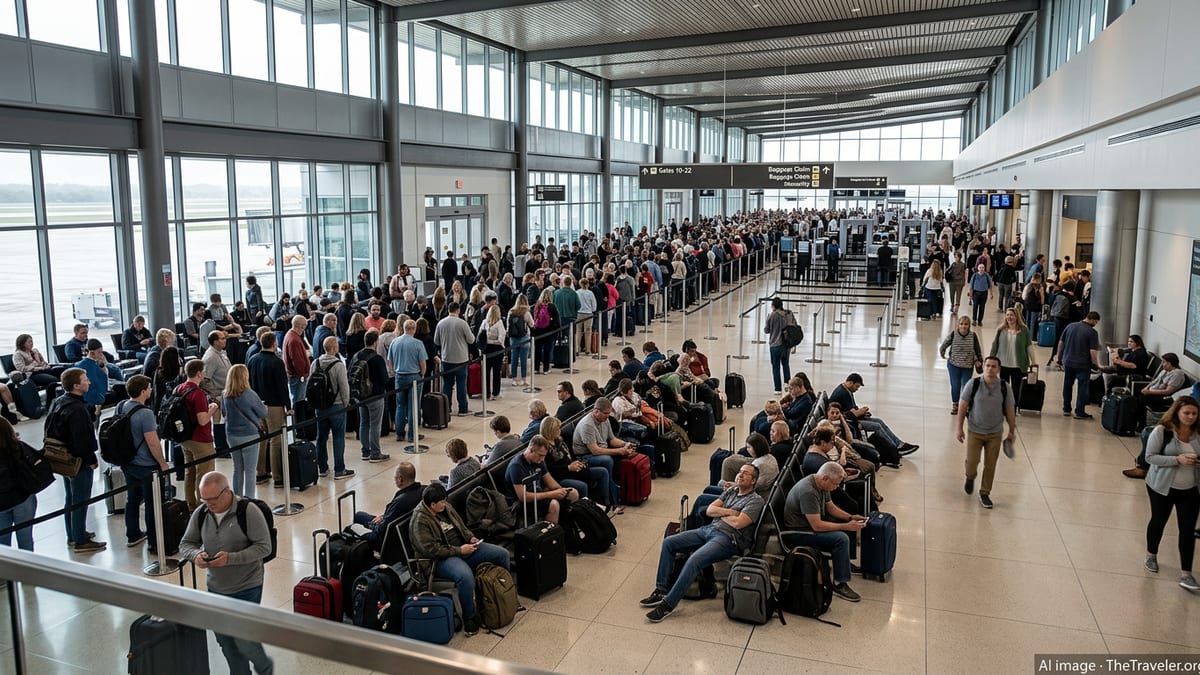
Reports on May 7 highlighted more than 250 delays and several cancellations across all carriers at Logan, with JetBlue among the most affected. Although the specific grounded flight has not been singled out in official tallies, travelers shared images and accounts of extended waits at JetBlue gates as departure times slipped in short increments, a pattern that has become familiar to frequent fliers through Boston.
While one grounded aircraft may seem isolated, at a busy hub it can quickly disrupt gate availability, crew rotations and aircraft positioning. That dynamic appeared to unfold once again at Logan, where a single problem flight, combined with lingering weather and traffic constraints, contributed to a cascading effect on JetBlue’s schedule.
According to publicly available operational guides and flight-status resources, JetBlue’s network is particularly sensitive to disruptions at key focus cities such as Boston, where high daily frequencies and tight turnarounds can magnify even modest delays.
Major Domestic Routes to Austin, Salt Lake City and Portland Affected
The impact of the latest disruptions has been felt most acutely on several high-profile domestic routes that connect Boston to fast-growing leisure and business markets. Flight schedule data show JetBlue operating regular non-stop services between Boston and Austin and between Boston and Salt Lake City, routes that are popular with both tech and outdoor-oriented travelers.
On days when Logan experiences elevated delays, departures to these longer-haul domestic cities are particularly vulnerable, because they depend on precise aircraft and crew rotations. When an earlier JetBlue flight is held at the gate in Boston or arrives late from another city, the aircraft scheduled for Austin or Salt Lake City may be forced into rolling delays, or in some cases swapped or retimed. Travelers reported extended waits and multiple schedule updates on Boston departures bound for the Mountain West and Texas as the latest disruption unfolded.
JetBlue’s Boston service to Portland, Oregon, which is being ramped up in late May according to public schedule information, is also exposed to knock-on effects when the Logan operation comes under stress. Long transcontinental sectors are typically scheduled later in the day, making them more likely to absorb accumulated delays from earlier flights.
Industry analyses of JetBlue’s recent on-time performance have noted that the airline’s concentration of flights in a few core cities, including Boston, can translate into more visible disruption when conditions deteriorate. For travelers on domestic routes out of Logan, that has meant building extra buffer time into connections and monitoring flight status closely in the hours leading up to departure.
Transatlantic Links to Keflavik and Lisbon Feel the Ripple
The latest operational turbulence is not limited to North American routes. Boston has become an important jumping-off point for JetBlue’s growing transatlantic network, and disruptions at Logan can reverberate across oceanic services as well. Routes linking Boston with Keflavik in Iceland and Lisbon in Portugal are typically timed to connect evening departures from New England with overnight arrivals in Europe.
When a Boston-originating aircraft is grounded or significantly delayed, these carefully timed overnight flights can face compressed turn times, revised departure slots, or, in more severe cases, cancellations. Published coverage of recent flight disruptions at Logan shows that long-haul international routes are often among the most sensitive to congestion and weather, because they rely on specific air traffic control windows and crew duty limits.
Travelers heading to Keflavik and Lisbon from Boston during the latest round of delays have reported uncertainty around connection times and arrival schedules, especially for those pairing JetBlue transatlantic services with onward flights on European partners. Even when flights ultimately depart, late pushbacks can result in missed train or regional flight connections upon arrival.
Aviation analysts note that for an airline like JetBlue, which has invested heavily in building a transatlantic presence from Boston and New York, repeated disruption at its U.S. gateways can undermine the appeal of new routes if reliability does not keep pace with expansion.
Patterns of Disruption at Logan Raise Broader Questions
The latest incident comes against a backdrop of persistent operational strain at Boston Logan. Recent summaries of performance at the airport, including data shared by flight-tracking services and local news outlets, have documented days with hundreds of delays and dozens of cancellations, often driven by high winds, low visibility or severe weather elsewhere in the network. On several of those days, JetBlue has ranked among the airlines with the highest number of delayed departures from Boston.
Commentary from travelers and aviation observers points to a combination of factors behind the recurring issues. These include regional weather that can limit runway use, air traffic control programs that slow arrivals and departures during peak periods, and tight scheduling practices that leave limited room to absorb disruptions. When these elements converge, passengers may see departure times slip repeatedly by 15 or 30 minutes before more significant delays or cancellations are finally posted.
Publicly accessible guidance on JetBlue’s flight-status tools highlights the fluid nature of delays, noting that departure estimates can change multiple times as new information becomes available. For passengers on the ground at Logan, however, that can translate into a confusing and frustrating experience, particularly when gate changes and aircraft swaps occur with little advance notice.
Advocacy groups that track airline performance have also emphasized the importance of clear, timely communication to help travelers understand their options when disruptions strike, including rebooking policies, compensation rules and overnight accommodation support when applicable under carrier policy or government regulations.
What Passengers Can Do When Boston Operations Unravel
For travelers scheduled to fly through Boston Logan with JetBlue in the coming days, publicly available travel advisories and consumer guidance suggest several practical steps. Checking flight status frequently, both on the airline’s app and on third-party tracking platforms, can provide early signals of trouble, even before formal delay notifications are issued. If a grounded aircraft or extended maintenance hold is visible at the gate, it may be prudent to seek alternate routings where possible.
Experienced travelers often recommend avoiding tight connections through Boston during periods of unstable weather or heavy congestion. On routes such as Boston to Austin, Salt Lake City, Portland, Keflavik or Lisbon, leaving additional time between onward flights reduces the risk of missed connections if the initial JetBlue leg is delayed. Some passengers also choose earlier departures in the day, which historically have been less vulnerable to cascading delays.
Consumer resources published by regulators and travel-rights organizations outline when passengers may be entitled to refunds or other remedies in the event of significant delays, cancellations or schedule changes. These guidelines can help travelers evaluate whether to accept rebooking options or request a refund when disruptions at Logan upend their plans.
As Boston Logan heads into the busy late spring and summer travel period, the latest wave of JetBlue disruptions underscores the importance of contingency planning for anyone relying on the airport’s crowded runways and packed departure boards. For now, publicly available information suggests that operational pressures at the hub, and the ripple effects on routes from Austin to Lisbon and beyond, are likely to remain a defining feature of travel through Boston.