


More news on this day
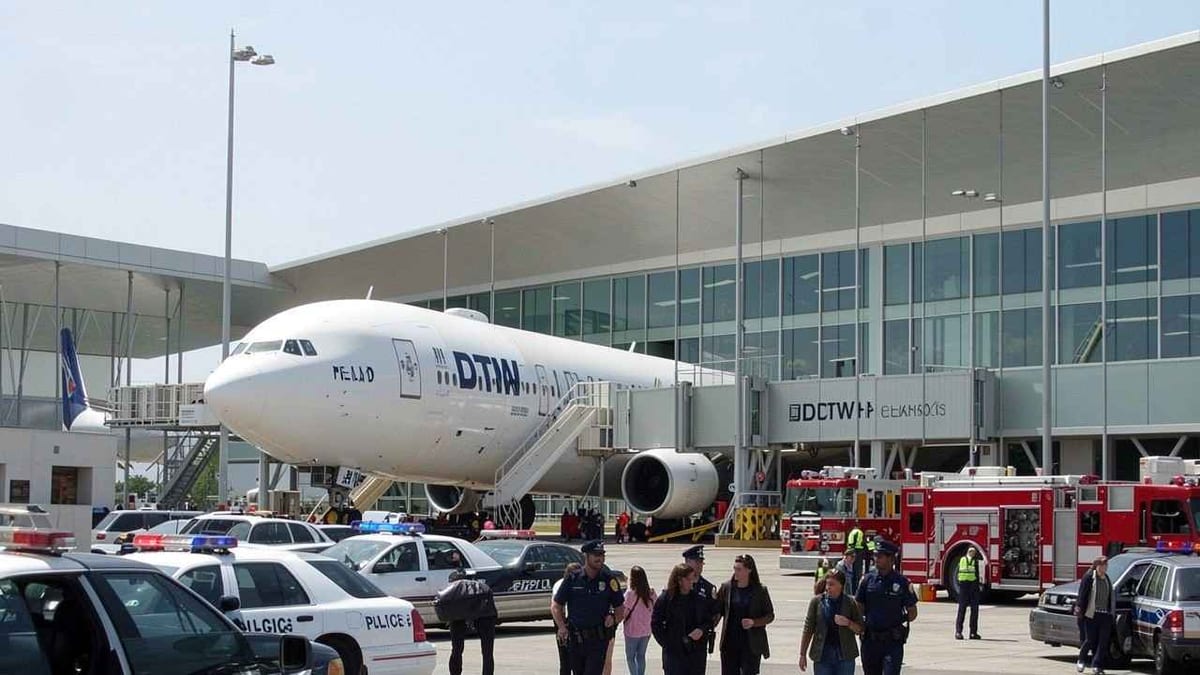
A JetBlue Airways flight operating as JBU282 from Houston to New York diverted to Syracuse Hancock International Airport, prompting questions from travelers about what happened, what a diversion means, and how such events are handled across the U.S. aviation system.
Get the latest news straight to your inbox!
What Is Known About JetBlue Flight JBU282’s Diversion
Publicly available flight-tracking data and media monitoring indicate that JetBlue flight JBU282, an Airbus A320 service scheduled from Houston to the New York area, was rerouted to land at Syracuse Hancock International Airport in upstate New York instead of its intended destination. The aircraft landed safely, and there have been no widely circulated reports of injuries among passengers or crew.
Initial information suggests that the diversion occurred while the aircraft was already en route toward the Northeast, with the flight crew electing to discontinue the approach to the New York terminal area and proceed to Syracuse. Exact timing details and the specific New York airport originally planned for arrival have not been fully highlighted in early coverage, a common situation in the first hours after an operational event.
In incidents like this, airlines and aviation agencies typically conduct internal reviews, examining the aircraft’s technical status, weather conditions along the route, and any onboard medical or operational factors. While those internal findings are not immediately available, the fact that the aircraft completed a controlled landing at an alternate airport points to standard diversion procedures functioning as designed.
Travelers following the incident should be aware that diversions are relatively rare compared with the overall number of flights operating each day in U.S. airspace, but they are a normal part of commercial aviation safety planning.
Why Airline Flights Divert and How Decisions Are Made
Although specific reasons for this diversion had not been detailed in early public reporting, industry data show that flights may divert for a range of reasons, including adverse weather near the destination, congestion in busy terminal airspace, technical irregularities that warrant precautionary checks, or urgent medical needs involving passengers or crew.
In broad terms, U.S. and international procedures give flight crews significant discretion to divert when conditions justify changing course. Dispatch teams on the ground, air traffic control, and airline operations centers coordinate to identify suitable alternates with available runway length, ground services, and airspace capacity. For flights headed to the New York area, upstate airports such as Syracuse are regularly used as alternates because they can accept mainline jets like the Airbus A320 and often offer less congested airspace.
Diversions are also influenced by fuel planning. Flights carry reserves that allow for holding patterns and potential rerouting, but crews must monitor fuel levels in real time. If expected holding near a busy airport would push reserves lower than operational limits, diverting to a nearby field with clearer access is a routine safety-driven choice.
In the case of JBU282, Syracuse’s role as a regional commercial airport with established infrastructure for narrowbody jets made it a logical alternate, ensuring that passengers could disembark normally and the aircraft could be evaluated on the ground if needed.
Impact on Passengers and What Travelers Can Expect
For passengers aboard a diverted flight, the most immediate concern is typically how and when they will reach their original destination. Airlines generally re-accommodate travelers on later services or, when necessary, arrange ground transportation from the diversion airport, depending on distance and available capacity. The exact solution can vary by carrier, time of day, and the operational status of the diverted aircraft.
When a flight diverts, passengers may experience extended time onboard while the aircraft awaits a gate, refueling, or clearance for onward travel. In other cases, travelers are asked to deplane in the diversion city and are later rebooked. U.S. carriers publish customer commitments that outline the support offered in irregular operations, which can include meal vouchers or hotel arrangements under certain circumstances, though these benefits depend on the underlying cause of the disruption.
For travelers not on the flight but scheduled on the same route in the following hours or days, a diversion can ripple through the network, leading to delays, aircraft swaps, or schedule changes. Monitoring the airline’s app or flight-status tools can provide real-time updates on gate, departure time, and any rebooking options made available for affected customers.
Travelers connecting onward from New York should pay particular attention to updated itineraries, as missed connections after a diversion often require itinerary adjustments, either with the original airline or, in some cases, with partner carriers.
How Syracuse Hancock International Airport Handles Diversions
Syracuse Hancock International Airport serves central New York and is accustomed to handling a mix of scheduled domestic flights and occasional unscheduled diversions when weather or congestion affects other airports in the region. Its two runways accommodate narrowbody aircraft such as the Airbus A320, and the airport maintains standard emergency response and ground-handling capabilities for commercial traffic.
When a mainline jet diverts to a regional airport, local ground crews coordinate closely with the airline and, where applicable, contracted service providers to manage parking positions, jet bridges or stairs, baggage handling, and passenger assistance. Even when a particular flight is not part of the airport’s published schedule, existing relationships with major U.S. carriers often mean that equipment and personnel can be quickly repurposed to assist arriving passengers.
In high-profile events, diversions can temporarily stretch airport resources, especially if multiple flights arrive within a short period due to systemwide weather or airspace constraints. However, the general pattern at mid-sized facilities is that a single additional mainline arrival can be absorbed with limited disruption to the rest of the day’s operation.
For travelers, Syracuse’s size can translate into relatively quick deplaning and baggage retrieval compared with major hubs, though onward travel arrangements depend heavily on the airline’s decisions once the aircraft is on the ground.
What This Means for Future JetBlue and U.S. Travelers
Events like the diversion of JetBlue flight JBU282 underscore the complexity of the U.S. air travel system and the emphasis on layered safety planning. Diversions can be unsettling for those onboard, but in industry practice they are viewed as a conservative measure that prioritizes safe, controlled landings over attempting to complete an approach amid uncertain conditions.
For travelers, the incident is also a reminder of the value of preparing for disruptions. Keeping essential medications, chargers, and a change of clothes in a carry-on bag can make an unexpected diversion more manageable. Enrolling in airline notification systems and enabling app alerts also helps passengers receive rapid updates on gate changes, rebookings, and compensation options.
From a broader network perspective, diversions tied to weather patterns, congestion, or technical issues are likely to remain part of the operational landscape, particularly in dense airspace around New York and other major hubs. Airlines and airports continue to refine their coordination and communication tools, aiming to reduce the knock-on effects that a single rerouted aircraft can have across a day’s schedule.
While the full operational narrative of JBU282’s diversion to Syracuse may take time to emerge through official investigations or internal reviews, travelers can draw one immediate lesson. When crews decide that changing course improves the safety margin for a flight, the system is working as designed, even if it temporarily upends individual travel plans.