


More news on this day
Travellers flying on low cost airlines face a new wave of cabin baggage restrictions, as Jetstar moves to charge for use of overhead lockers and European carriers such as Ryanair continue to monetize larger carry on bags, shifting more of the cost of travel into ancillary fees.
Get the latest news straight to your inbox!
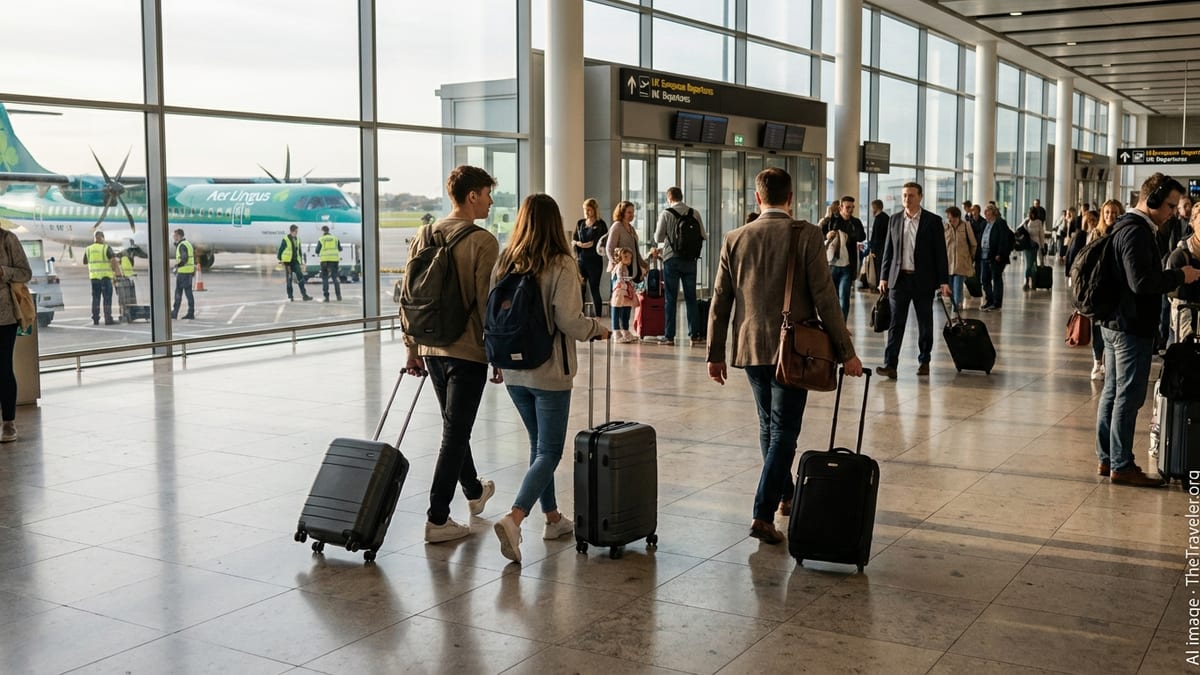
Jetstar Introduces Fees for Overhead Cabin Bags
Australian budget carrier Jetstar is set to change how passengers use overhead bins, introducing a charge for larger cabin bags that need locker space while keeping only small under seat items free. According to recent coverage, the airline will continue to allow a purse, laptop bag or small backpack that fits within published dimensions to be stowed under the seat at no cost, but passengers wanting to place a standard cabin suitcase overhead will pay an additional fee.
Reports indicate that the new overhead locker charge will start from about 25 Australian dollars one way, varying by route. That places Jetstar in line with a wider low cost trend in which base fares are kept low while bags, seat selection and even speedy boarding are sold separately. The airline’s existing guidance already limits most customers to a combined 7 kilograms of carry on weight for one main item and one small personal item, with higher limits only available to those who purchase specific bundles or extra carry on options.
Industry observers note that Jetstar’s move formalizes a reality that many travellers have experienced informally: crowded overhead lockers and tighter policing of bag size at the gate. By pricing overhead space, the carrier is effectively turning a once standard part of the ticket into a paid add on, encouraging some passengers to travel with only a small backpack while nudging others toward either paying for cabin space or checking luggage.
The change is being closely watched across the Asia Pacific region, where competition among low cost airlines is intense and small differences in baggage policy can influence route choice, particularly on leisure routes where passengers often travel with more than a single under seat bag.
Ryanair and Europe’s Low Cost Model for Carry On Fees
In Europe, Ryanair has been at the forefront of charging for larger carry on bags, structuring its fares so that only a small personal item is included in the basic ticket. Current policy information shows that standard passengers can bring a small bag that must fit under the seat in front, within set dimensions, while access to a second, larger 10 kilogram cabin bag stored in the overhead locker requires purchase of a “Priority & 2 Cabin Bags” product or similar upgrade.
Ryanair’s terms state that the larger cabin item can weigh up to 10 kilograms and must meet a maximum size, typically around 55 by 40 by 20 centimeters, otherwise it may be placed in the hold with an additional fee. Travellers without priority who arrive at the gate with a larger wheelie bag are often required to check it and pay a gate baggage charge, a practice that online discussions suggest has become a significant source of ancillary revenue for the airline.
Analyses of European low cost carriers highlight that baggage related fees now account for a substantial share of income, with research cited in aviation media showing average checked and cabin baggage charges on airlines such as Ryanair, Wizz Air and easyJet in the tens of euros per passenger. Historically, some rivals allowed a free larger cabin bag alongside a small item, but many have moved to a model more closely resembling Ryanair’s, with only a small under seat bag included in the base fare and overhead bin access reserved for those who pay extra.
This pattern creates a clear incentive for travellers to either pack very light or accept that a realistic cabin bag will come with a surcharge. It also means that published ticket prices often reflect only a minimal level of baggage, complicating comparisons for consumers who assume a standard roll aboard suitcase will fly free.
How Policies Differ Across Airlines and Regions
While the overall trend points toward charging for larger carry on items, the details vary from one airline to another, and from region to region. Jetstar’s carry on rules, for example, center on a combined weight limit of around 7 kilograms for one main cabin bag and a smaller personal item, with higher 14 kilogram allowances available to some fare types or add on packages. The new overhead locker fee will sit on top of those weight rules, fundamentally changing how customers think about where to store their bags even when they meet the size and weight requirements.
In Asia, other low cost airlines, such as AirAsia, have tightened cabin baggage enforcement by limiting passengers to one cabin bag and one small personal item with a combined weight of 7 kilograms, warning that any excess may be checked at the gate for an additional charge. Public guidance from these carriers frames the policies as measures to improve boarding efficiency and comfort by reducing congestion in the aisle and overhead bins.
In Europe, Wizz Air and easyJet operate similar tiered systems where only a small personal item is free for basic fares, with larger cabin bags and checked baggage sold as ancillary products. Company documents and independent analysis describe charges for “large cabin bags” and priority-style products, reinforcing the trend that overhead storage is now a monetized service rather than an assumed inclusion.
Legacy and full service airlines still tend to include at least one standard cabin suitcase in the fare, but even in that segment there is pressure to align with low cost rivals on short haul routes. As fuel and operating costs rise, the temptation to unbundle baggage persists, and some full service carriers have already introduced basic economy style tickets that strip out checked bags or seat selection, if not yet overhead cabin access.
What Travellers Can Expect at the Airport
For travellers, the practical consequence of these shifting rules is a more complex decision at the time of booking. A fare that looks attractive on price comparison sites may only permit a small backpack under the seat, with any wheelie suitcase treated as a paid extra. In the case of Ryanair, failing to purchase the right cabin or checked baggage product in advance can result in significantly higher fees at the airport if a bag exceeds the free allowance.
Jetstar’s forthcoming overhead locker charge raises similar concerns. Passengers who are accustomed to bringing a cabin suitcase at no additional cost may need to adjust their packing habits or factor the new fee into their total journey price. Given that the starting price for overhead access is set as a per segment charge, costs can add up quickly on itineraries with multiple flights.
Travel advisories from consumer groups emphasize the importance of carefully reading baggage sections during booking, including size, weight and whether bags are stored under the seat, in the overhead bin or in the hold. Under new transparency rules in markets such as the United States, regulators are pushing airlines to display baggage fees more clearly before purchase, but this does not always cover flights sold by foreign low cost carriers or bookings made through third party sites.
At the airport itself, stricter cabin policies translate into more frequent size and weight checks at boarding, particularly on busy leisure routes. Travellers report that agents for ultra low cost carriers increasingly use bag sizers and portable scales, with oversized or overweight cabin bags redirected to the hold for a fee. Allowances for medical devices, mobility aids and certain baby items remain in place, but for the typical passenger heading on holiday with a cabin suitcase, overhead bin space is now something to be bought and budgeted for, not simply assumed.