


More news on this day
East Japan Railway Company (JR East) has begun and scheduled a series of full-day suspensions on the Yokosuka Line between Tokyo and Shinagawa, as intensive tunnel construction shifts tens of thousands of daily commuters and visitors onto parallel rail routes across central Tokyo.
Get the latest news straight to your inbox!
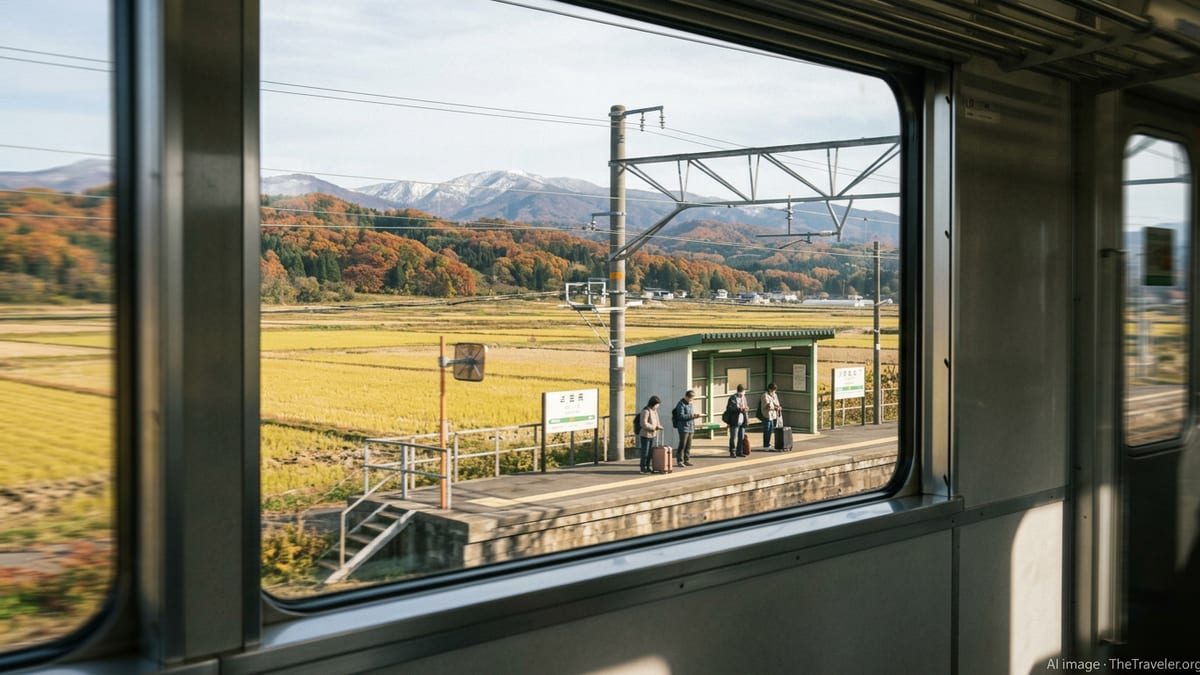
All-Day Suspension Between Tokyo and Shinagawa
Publicly available information from JR East shows that Yokosuka Line and Sobu Rapid Line services are being halted for entire operating days between Tokyo and Shinagawa to allow continuous day and night tunnel works beneath central Tokyo. For affected days, trains on the Yokosuka Line turn back at Shinagawa toward Yokohama, while Sobu Rapid Line services reverse at Tokyo toward Chiba, leaving no through trains on the normally busy underground section linking the capital’s two key terminals.
Current notices in English describe a program of intensive tunnel repairs and track upgrades that requires suspending operations from the first train to the last train on selected dates. One major work window already completed in June 2026 suspended the Yokosuka Line and Sobu Rapid Line between Tokyo and Shinagawa for the whole day, while other all-day shutdowns are planned from September 5 to November 7, 2026, to advance structural reinforcement, tie replacement and related maintenance tasks.
JR East’s construction guidance notes emphasize that the works are concentrated in the tunnel section used by the Yokosuka and Sobu Rapid lines, which runs parallel to the Tokaido Main Line, Yamanote Line and Keihin Tohoku Line. By concentrating these interventions into defined periods with full closures, engineering teams can work continuously in the confined underground environment rather than relying on shorter overnight windows.
Additional information from Japanese broadcast and transport outlets highlights that some of the recent full-day suspensions were used for large-scale tunnel rehabilitation, including replacing sleepers and improving drainage. These technical tasks are considered essential for long term safety and reliability in one of the most heavily used rail corridors in Japan.
Commuter Disruption Across Central Tokyo
The Yokosuka Line is a key commuter artery linking southern Kanagawa Prefecture with central Tokyo via Shinagawa and Tokyo stations, serving major hubs such as Yokohama, Ofuna, Kamakura and Zushi. When the segment between Tokyo and Shinagawa is taken out of service, regular through rides into Tokyo Station are no longer possible, forcing passengers to transfer to other JR lines or revise their routes entirely.
Reports from recent suspension days indicate crowding on alternative routes, particularly the parallel Tokaido Line and Ueno Tokyo Line services, as well as on the Yamanote and Keihin Tohoku lines that loop and shuttle between Tokyo and Shinagawa. Because these lines already handle dense rush hour loads, the added flow from diverted Yokosuka Line riders can noticeably increase congestion on platforms and inside trains during peak periods.
Online journey advisories recommend that commuters originating in Yokosuka Line territory consider transferring at Shinagawa to the Yamanote or Keihin Tohoku lines for access to Tokyo Station and the wider metropolitan network. For those heading to business districts around Tokyo Station, the Tokaido Line and Ueno Tokyo Line also offer a direct substitute, although seats can be scarce and standing room tight at peak commute times.
Digital train status pages maintained by JR East flag the suspension periods and encourage passengers to allow extra time for travel. Because the affected section runs through a tunnel that does not share tracks with other operators, there is no direct substitute service on the same alignment and delays can propagate as passengers redistribute across the rest of the network.
Impact on Visitors, Narita Express and Green Car Users
The shutdowns have particular implications for visitors who rely on the Yokosuka Line for direct access to destinations such as Kamakura, Yokohama and the Miura Peninsula from Tokyo. Travel blogs and advisory posts ahead of the June 2026 suspension highlighted the risk of confusion for travelers unfamiliar with the network, especially when regular through trains between Tokyo and Shinagawa are suddenly unavailable on certain days.
During the all day suspensions, limited express Narita Express services that normally use the Yokosuka Line corridor are also partially curtailed. According to JR East’s tunnel construction notice, Narita Express trains are suspended between Tokyo and Ofuna or Shinjuku on affected days, operating only to and from Tokyo Station within the metropolitan area. This requires some airport bound passengers to transfer to other JR or private rail lines when continuing beyond Tokyo.
Green Car passengers are another group affected by the temporary closure. Guidance documents state that Green Car tickets purchased for the Yokosuka Line between Tokyo and Shinagawa can still be used on Green Cars of parallel services such as the Tokaido Line or Ueno Tokyo Line, subject to specific conditions. Travelers are advised that Green Car usage on non suspended sections remains valid, but Green Car fares will not be refunded solely because passengers choose to substitute the Yamanote or Keihin Tohoku lines, which do not offer Green Cars on the same section.
In practice, this means that visitors holding pre purchased Green Car tickets may need to adjust their route planning, ensuring they board eligible services where their reserved or Suica based Green entitlements still apply. JR East’s online materials encourage users to check onboard readers and station signage carefully when transferring between lines during the construction period.
Construction Rationale and Long Term Aims
The tunnel modernization on the Yokosuka Line between Tokyo and Shinagawa forms part of a wider shift in JR East’s maintenance strategy toward more daytime and continuous work windows. Explanatory videos and corporate material describe an effort to create a more sustainable maintenance regime in the face of labor shortages and changing work patterns, while also improving safety standards in aging infrastructure.
By grouping works into multi day and multi weekend campaigns with full line closures, JR East can reduce the frequency of night work and streamline the logistics of heavy construction in the narrow underground corridor. The tunnel section carries a high density of trains each day, and operators frame the current program as essential to prevent defects, water ingress and other issues that can lead to unplanned disruptions if left unaddressed.
Related corporate sustainability and investment plans reference a broader push to modernize core urban lines, upgrade structures to withstand earthquakes and improve resilience against extreme weather. The Yokosuka Line tunnel works sit alongside other large scale projects in the Greater Tokyo area, including enhancements near Shinagawa Station and continued development of alternative access routes that can help distribute passenger flows during future maintenance.
While the near term impact is measurable in longer commutes and more complicated journeys for tourists, the long term objective is to maintain high reliability on one of the capital’s busiest intercity and suburban corridors. Operators present the tunnel overhaul as necessary groundwork for sustaining punctual, high frequency services well into the next decade.
Planning Tips for Upcoming Travel
For travelers visiting Tokyo in the coming months, checking the specific suspension dates listed on JR East’s official Yokosuka Line tunnel construction page is considered essential. The current schedule shows another intensive period from early September to early November 2026, with daily suspensions between Tokyo and Shinagawa throughout that window. Some days outside this core period may also feature nighttime or partial daytime restrictions.
Those holding rail passes or airport transfer tickets should review their itineraries to see whether planned journeys rely on Yokosuka Line through services. If so, contingency routes using the Tokaido Line, Ueno Tokyo Line, Yamanote Line or Keihin Tohoku Line can usually provide alternative access between Shinagawa, Tokyo and onward connections, though with possible additional transfers and walking at busy interchange stations.
Travel information platforms recommend allowing extra transfer time at Tokyo and Shinagawa, particularly during the morning and evening peaks. As station layouts can be complex for first time visitors, downloading station maps in advance and following English language signage can reduce stress when navigating between different JR and private railway concourses.
JR East’s multilingual train status pages and route search tools remain key resources for monitoring day by day conditions. Given that major tunnel construction is expected to continue through multiple phases, passengers planning trips beyond November 2026 are also encouraged to keep checking for updated notices in case additional suspension periods are scheduled in future fiscal years.
JR East Yokosuka Line / Sobu Rapid Line tunnel construction notice
JR East Kanto area train status information (English)
Traicy: JR East to conduct intensive construction on Yokosuka Line