


More news on this day
Thousands of passengers faced lengthy delays and overnight disruptions at Kenya’s Jomo Kenyatta International Airport on August 31, 2026, as a go-slow strike by aviation workers entered a second day and curtailed operations at the country’s main international gateway.
Get the latest news straight to your inbox!
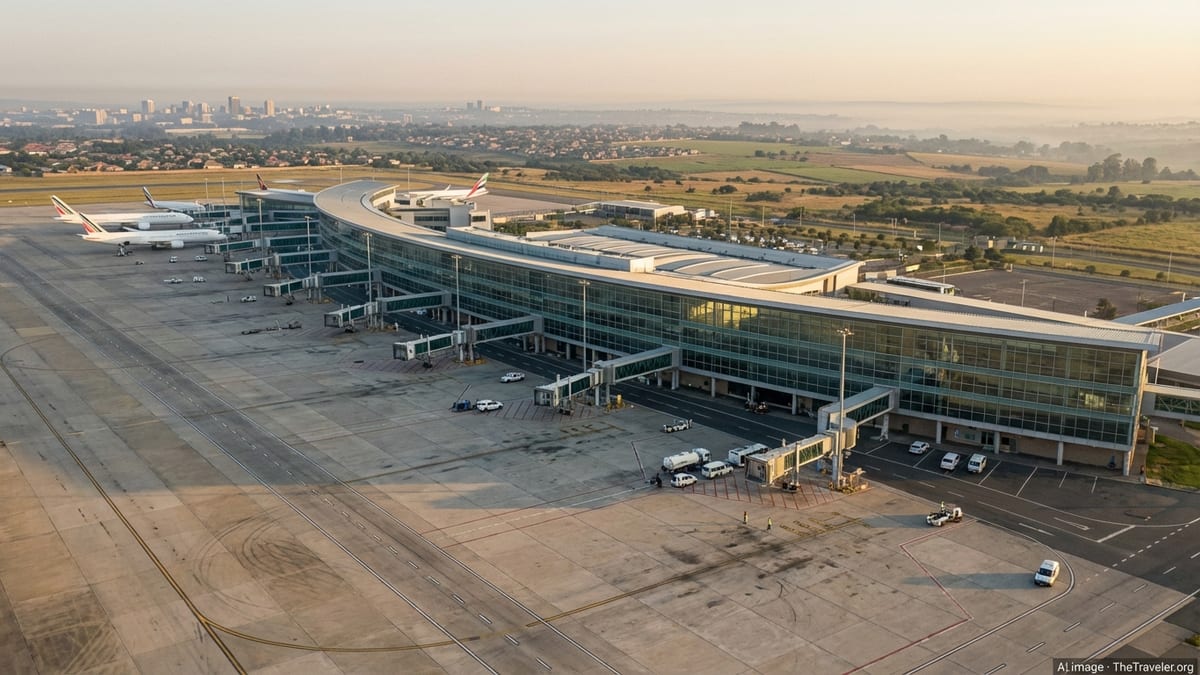
Go-slow action hits Kenya’s busiest airport
Flight operations at Nairobi’s Jomo Kenyatta International Airport (JKIA) were significantly disrupted on Monday as airport staff engaged in a go-slow strike, causing widespread delays and cancellations across regional and long-haul routes. Publicly available reports describe long queues at check-in, crowded departure halls and passengers waiting through the night for updates on their flights.
The disruption centers on employees represented by the Kenya Aviation Workers’ Union, who began scaling back services on Sunday, August 30. Coverage from multiple outlets indicates that the action quickly spilled into Monday’s schedule, affecting both incoming and outgoing flights and leaving aircraft out of position across the network.
JKIA is Kenya’s largest and busiest airport, handling the bulk of international traffic into Nairobi and serving as a key hub for East and Central Africa. With most scheduled international services funneled through the airport, any slowdown in ground handling, security screening or airport services has an outsized impact on regional connectivity and onward travel plans.
Images published by news organizations show stranded travelers lining terminal corridors with luggage trolleys and sleeping on seats as they waited for revised departure times. Some airlines reportedly pushed departures into the early hours as they attempted to secure service coverage and clear backlogs.
Union grievances over pay, conditions and stalled talks
According to published coverage citing statements from the Kenya Aviation Workers’ Union, the dispute is rooted in a series of unresolved labor issues, including pay, working conditions and the conclusion of a collective bargaining agreement. The union has highlighted frustrations with negotiations involving the Kenya Civil Aviation Authority and has also referenced tensions with the Kenya Airports Authority and airline partners over staffing and cooperation at JKIA.
Reports indicate that the go-slow is not limited to a single job category. Ground staff, cargo handlers, support service personnel and other airport-based workers are described as participating in the action, amplifying the effect on day-to-day operations. With staff reducing pace or temporarily stepping away from duties, processes such as baggage handling, boarding and aircraft turnaround have slowed markedly.
Kenyan aviation has seen several rounds of industrial tension in recent years, including earlier work stoppages and strike notices related to pay, staffing and airport management questions. Analysts and local commentators note that periodic disputes at JKIA tend to ripple quickly through the wider travel and tourism sectors because of the airport’s role as a primary entry point for safari tourism and regional business travel.
Union representatives have publicly maintained that they are open to negotiations, while travelers and airlines face uncertainty as talks continue. Statements reported in local and international media suggest that both sides are under pressure to reach a settlement that avoids prolonged disruption, particularly given the airport’s importance for regional trade and tourism.
Impact on passengers and airlines across the region
Travelers transiting through Nairobi reported missed connections, extended layovers and last-minute schedule changes, according to news outlets and traveler accounts shared on public forums. Some passengers with overnight connections to Europe, the Middle East and North America were left rebooking itineraries or seeking accommodation as the strike stretched into a second day.
Airlines that use JKIA as a hub have had to contend with aircraft and crew being out of rotation, leading to knock-on delays on routes that do not originate in Kenya. Coverage by regional media indicates that operations at other Kenyan airports, including Mombasa’s Moi International Airport, have also experienced disruption linked to the same labor dispute, although the most severe effects have been concentrated in Nairobi.
For passengers already in the air when the disruption escalated, irregular operations on arrival translated into long waits on the ground for gates, baggage or connecting flights. Publicly available information from travel advisories and airline channels shows that some carriers urged customers to monitor flight status closely and prepare for schedule changes or rebooking options.
Travel industry observers point out that the timing of the strike is especially sensitive for tour operators and safari camps that rely on seamless arrivals into Nairobi before onward domestic flights. Delays at JKIA raise the risk of missed departures to key wildlife destinations, forcing operators to adjust transfer plans and, in some cases, modify itineraries at short notice.
What travelers should know if flying through Nairobi
Travel advisories and local media coverage recommend that passengers scheduled to travel through JKIA in the coming days stay in close contact with their airlines and check flight status repeatedly before departing for the airport. With negotiations still reported to be in progress, the situation remains fluid, and schedules can shift with little warning.
Passengers connecting onward from Nairobi to other African destinations or to long-haul routes are being encouraged to allow extra time, carry essential items in hand luggage and have contingency plans in case of missed connections. Travel experts note that those holding flexible tickets or bookings made through agents may find it easier to adjust itineraries while the disruption continues.
Observers also highlight the importance for travelers to review the terms and conditions of their tickets and any relevant air passenger rights frameworks, especially where delayed or canceled flights originate in or are bound for jurisdictions with specific compensation rules. While the current strike is centered in Kenya, some itineraries involving Nairobi originate in regions where consumer protection regimes provide for assistance during industrial action.
For the tourism sector, the priority remains restoring predictable operations at JKIA as soon as possible. Industry stakeholders are closely monitoring developments in the labor talks, aware that extended disruptions could dent confidence among international visitors planning peak-season trips to Kenya and the wider East African region.
Broader questions over airport management and resilience
The latest strike has renewed public discussion about the resilience of Kenya’s aviation infrastructure and the balance between workers’ demands and operational continuity at key national assets. Commentators frequently point to JKIA’s status as a vital regional hub and its role in supporting trade, tourism and foreign investment.
Previous instances of industrial action at JKIA, including disputes over proposed management changes and infrastructure investments, have highlighted how quickly staffing issues can translate into travel disruptions. Analysts following the sector suggest that long-term solutions may require more durable frameworks for dialogue between unions, regulators and airport operators, alongside investments in staffing levels and working conditions that can help stabilize service delivery.
As negotiations continue, attention remains focused on whether the current go-slow can be resolved without escalation into a full work stoppage. Publicly available information from earlier disputes in the sector shows that timely mediation and clearly communicated return-to-work agreements have been critical to restoring normal operations after similar episodes.
For now, travelers and airlines are adjusting day by day, while Kenya’s aviation community weighs the broader implications of recurring labor unrest at one of Africa’s most important aviation hubs.
Kenya airport staff strike delays thousands of passengers – The Straits Times
Kenya airport staff strike delays thousands of passengers – Channel Africa
Kenya airport staff strike delays thousands of passengers – MyJoyOnline