


More news on this day
Kenyan politician Irungu Nyakera has been left stranded at an airport in Saudi Arabia after his scheduled flight to Nairobi was canceled amid ongoing disruptions affecting passengers traveling between the Gulf and East Africa.
Get the latest news straight to your inbox!
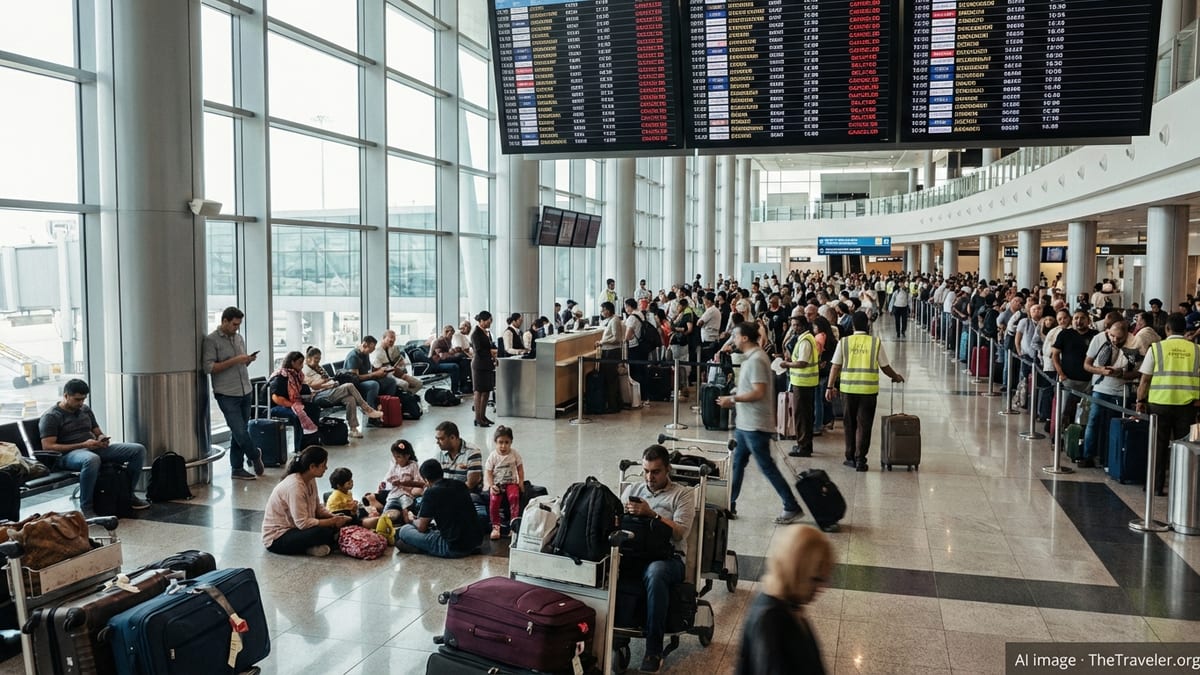
Flight Cancellations Leave Hundreds in Limbo
Reports from Kenyan media indicate that Democratic Congress Party (DCP) politician Irungu Nyakera was among passengers unable to depart Saudi Arabia on August 31, 2026, after a flight bound for Nairobi was canceled at short notice. Coverage describes him waiting at the airport with no clear indication of when an alternative connection to Kenya would be secured, underscoring the vulnerability of individual travelers when large-scale disruptions hit key routes between the Middle East and Africa.
According to published accounts, Nyakera had been due to return to Nairobi when airline operations were disrupted, leaving him and other travelers searching for updates on new departure times. Media photos and descriptions portray crowded terminals and anxious passengers, a scene that has become increasingly familiar whenever regional aviation networks face industrial action, staffing challenges, or sudden schedule changes.
Local coverage in Kenya links the cancellations affecting Nyakera and fellow passengers to industrial unrest involving aviation workers, which has caused knock-on delays and reduced capacity on some services. While airlines typically respond by rebooking travelers on later flights, the sudden build-up of stranded passengers can stretch airport facilities and customer-care systems, especially at busy transit hubs.
For Nyakera, the incident has rapidly moved from a private travel setback to a widely discussed story at home, illustrating how the travel experiences of public figures can draw attention to disruptions that also affect less visible travelers, including labor migrants and tourists.
Consular Safety Nets for Kenyans Abroad
The episode has renewed interest in what assistance Kenyan nationals can expect when unexpected events leave them stuck overseas. Publicly available information shows that Kenyan diplomatic missions, including the embassy in Riyadh, provide services such as passport issuance, emergency travel documents, and consular support for citizens facing difficulties abroad. The embassy in the Saudi capital is listed as offering emergency assistance, document services, and help in crisis situations for Kenyans residing in or transiting the Kingdom.
Kenya’s Directorate of Immigration Services notes that consular teams working with foreign missions are mandated to support citizens in distress, including processing emergency travel documents and coordinating on repatriations when required. These services are particularly important for travelers who lose their documents, overstay visas, or fall ill and need an urgent return home.
In practice, however, access to swift assistance can vary. Advocacy groups and media commentary have previously highlighted cases of Kenyan nationals who say they struggled to secure timely help while stranded in Saudi Arabia, especially low-income migrant workers facing contract disputes or health emergencies. Human-rights organizations have urged both Nairobi and Riyadh to strengthen cooperation and oversight so that those far from home are not left navigating complex bureaucracy alone.
Against this backdrop, Nyakera’s situation is unusual mainly because of his public profile and the fact that his predicament is tied to aviation disruption rather than immigration or labor disputes. Yet the visibility of his case has prompted renewed questions about how quickly consular channels can move when urgent travel problems arise.
Saudi Arabia as a High-Volume Corridor for Kenyan Travelers
Saudi Arabia has become one of the busiest destinations and transit points for Kenyans, particularly migrant workers employed in the domestic, hospitality, and service sectors. Over the past decade, numerous media reports and rights-based investigations have documented both the economic opportunities that draw Kenyans to the Gulf and the serious risks faced by some workers, including complaints of mistreatment, unpaid wages, and difficulty exiting the country once contracts sour.
Amnesty International and other organizations have published findings describing Kenyan domestic workers in Saudi Arabia who reported being confined to employers’ homes, deprived of rest days, or denied access to travel documents and communication. These accounts emphasize how immigration sponsorship systems can limit workers’ ability to leave abusive conditions or return home when they wish.
Kenyan media have also covered individual stories of citizens stuck in Saudi hospitals, detention centers, or deportation facilities while awaiting clearance to travel. In some cases, families in Kenya have used social media to call attention to relatives who have reportedly been unreachable for extended periods. Officials in both countries have periodically responded by highlighting reforms and formal complaint channels, yet advocacy groups continue to argue that oversight remains uneven, particularly for low-wage workers.
While Nyakera’s temporary stranding stems from a different cause, it is unfolding against this wider backdrop of concern over mobility constraints in the Kingdom, from delayed flights to more serious barriers faced by those who rely on employers or sponsors to authorize their departure.
Travel Disruptions and the Politics of Visibility
The attention drawn to Nyakera’s situation reflects the role that high-profile incidents play in shaping public debate over travel, migration, and state responsibility. When a well-known politician is seen waiting on airport benches and sharing updates about uncertainty over his return, the frustrations that ordinary travelers experience gain a new level of visibility in mainstream and online discourse.
In Kenya, lawmakers and commentators have previously raised concerns about the safety of citizens in Saudi Arabia, questioning whether foreign missions and labor agencies are doing enough to protect vulnerable workers. Parliamentary records and public commentary show that cases involving missing, detained, or gravely ill Kenyans in the Kingdom have been tabled for discussion in recent years, prompting calls for more systematic monitoring and bilateral agreements that safeguard workers’ rights.
For the broader travel sector, the story serves as another reminder of how aviation disruptions can cascade beyond individual airlines. Canceled flights can complicate work obligations, medical appointments, and family commitments, particularly for travelers whose visas or residence permits are tightly time-bound. When these disruptions occur in countries where exit procedures and sponsorship rules are strict, the anxiety around being stuck abroad can be amplified.
As coverage of Nyakera’s experience circulates alongside reports about Kenyan workers seeking assistance in Saudi hospitals or workplaces, the contrast between a politically connected traveler and more vulnerable migrants may sharpen public scrutiny of how equitably support is delivered.
What Stranded Kenyans Are Advised to Do
Public resources offered by Kenyan and Saudi institutions provide some guidance for citizens who find themselves stuck abroad, whether due to canceled flights, health emergencies, or disputes with employers. Kenya’s immigration authorities emphasize that consular services, including emergency travel documentation and coordination on complex cases, are available via embassies and high commissions. Saudi Arabia’s General Directorate of Passports, in turn, outlines responsibilities related to regulating entry, residence, and exit for foreign nationals, including the issuance and monitoring of visas and travel records.
Travelers are generally encouraged by official advisories and advocacy groups to maintain regular contact with family at home, keep copies of key documents, and seek written information from employers or airlines when disruptions occur. In situations involving alleged mistreatment or contract violations, rights organizations recommend documenting incidents, contacting trusted networks, and reaching out to both Kenyan and Saudi authorities through formal channels.
For Kenyans in Saudi Arabia, the embassy in Riyadh and consular desks in Nairobi remain central reference points for information on evacuation flights, legal assistance, or emergency repatriation options during crises. While the experience of a politician delayed by a canceled flight may ultimately resolve with a routine rebooking, the continuing flow of reports about less visible Kenyans struggling to leave the Kingdom ensures that consular responsiveness and passenger protection remain pressing issues for travelers and policymakers alike.
Tuko.co.ke coverage of Irungu Nyakera stranded in Saudi Arabia
Embassy of Kenya in Riyadh information
Kenya Directorate of Immigration Services consular overview
Amnesty Kenya briefing on Kenyan domestic workers in Saudi Arabia