


More news on this day
When severe weather disrupts flights, the fine print in airline contracts and passenger-rights rules becomes critical. Travelers often discover that while carriers must get them rebooked, many other comforts remain optional when nature is to blame.
Get the latest news straight to your inbox!
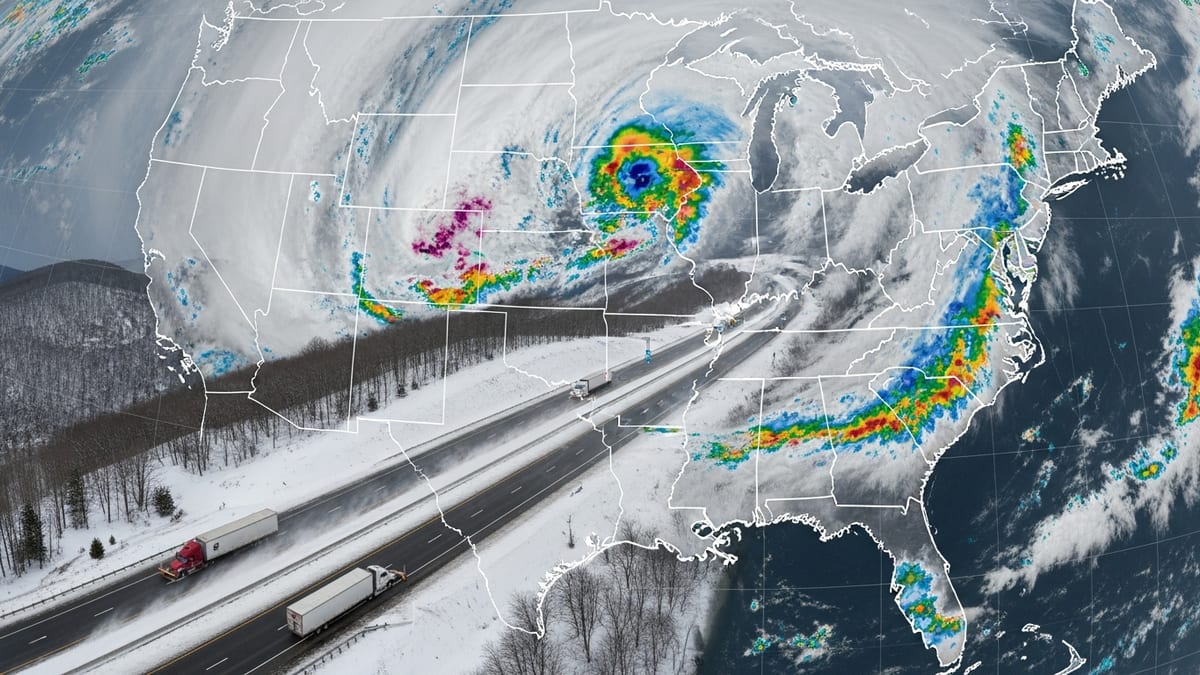
Why Bad Weather Is Treated Differently From Other Disruptions
In most major aviation markets, regulators draw a sharp line between problems an airline can control and those it cannot. Mechanical breakdowns or crew-scheduling mistakes usually fall into the first category. Thunderstorms, snowstorms, hurricanes and air-traffic restrictions triggered by poor visibility are typically treated as events beyond an airline’s control.
In the United States, Department of Transportation guidance describes weather-related delays and cancellations as circumstances outside airline control, and therefore not subject to the same potential compensation standards being considered for disruptions within a carrier’s control. Publicly available consumer information emphasizes that while airlines are responsible for their own policies, many choose not to offer hotels or meal vouchers when bad weather is the root cause.
The European Union follows a similar approach. Under Regulation EC 261/2004, adverse weather is usually classified as an “extraordinary circumstance,” which removes an airline’s obligation to pay cash compensation for cancellations or long delays, provided the carrier can show it took reasonable measures to avoid disruption. However, that classification does not eliminate all duties to stranded passengers.
Canada’s Air Passenger Protection Regulations also use a three-part framework that distinguishes between situations outside airline control, situations within airline control, and safety-related issues. Weather is listed among the factors outside a carrier’s control, limiting when compensation for inconvenience is due but not eliminating requirements around rebooking and some standards of treatment.
Rebooking Rights When Weather Grounds Your Flight
Across jurisdictions, the clearest right during a weather disruption is the right to reach your destination, even if not on the original schedule. In practice, that means airlines generally must either rebook you on a later flight or refund you when they cancel your trip and you no longer wish to travel.
In the United States, new refund rules published by the Department of Transportation in 2024 require airlines to provide prompt, automatic refunds when they cancel a flight or make a significant schedule change and the traveler declines any alternative offered, regardless of the reason behind the disruption. For international itineraries, a “significant delay” is often defined as six hours or more. If you accept a later flight, the carrier’s obligation typically shifts from refunding your ticket to getting you to your destination on the revised itinerary.
In the European Union, passengers whose weather-delayed or canceled flight falls under EC 261 have a choice between a refund of the unused ticket or rerouting at the earliest opportunity. If rerouting is chosen, the airline must arrange alternative transport under comparable conditions, which can sometimes include flights on other carriers when own-metal options are not available within a reasonable time frame. Compensation payments are not due when weather qualifies as an extraordinary circumstance, but rerouting and assistance obligations still apply.
Canada’s regulations similarly require airlines to provide either a refund or alternate travel when a flight is canceled or significantly delayed, including for events outside the airline’s control. Guidance from the Canadian Transportation Agency notes that while compensation for inconvenience is limited to disruptions within carrier control, minimum standards for rebooking and keeping passengers informed apply regardless of the cause.
What Airlines Must Provide: Care and Information Duties
Even when storms are classified as beyond a carrier’s control, certain forms of assistance are not optional in some regions. The most developed set of mandatory “care” obligations is in Europe, under EC 261. When passengers face long delays, cancellations or missed connections, airlines must provide meals and refreshments in relation to waiting time, along with access to communication such as phone calls or emails. If travelers are forced to stay overnight, hotels and transport between airport and accommodation must be supplied.
Those care obligations apply even when bad weather triggers the disruption, so long as the flight itself is covered by EU or UK rules. Weather removes the requirement to pay cash compensation, but not the duty to look after stranded passengers until they can travel. Subsequent clarifications from EU bodies have allowed airlines to limit hotel stays in some prolonged extraordinary circumstances, but the basic principle that airlines must provide reasonable care has been maintained.
In Canada, published guidance on the Air Passenger Protection Regulations outlines standards of treatment that can include food and drink, access to communication and, in some cases, accommodation and ground transport when delays stretch into an overnight stay. The exact obligations depend on the size of the airline and the degree of control it had over the disruption, but standards still apply when weather is the root cause, especially once an interruption becomes lengthy.
The United States framework is looser on mandated amenities. DOT consumer materials highlight that, for weather-related disruptions, airlines are not legally required to offer meal vouchers or hotel stays. Instead, those decisions are governed by each carrier’s contract of carriage. Some major U.S. airlines explicitly state in their conditions that when weather or other force-majeure events cause delays, hotels and meals are not guaranteed and are often at the passenger’s expense, though carriers may choose to offer vouchers as a matter of goodwill or competitive policy.
What Is Usually Not Covered During Weather Disruptions
Because regulators treat weather as outside airline control, many of the most sought-after remedies are either limited or not required at all. Financial compensation for lost time, prepaid hotels, nonrefundable tours or missed cruises is rarely guaranteed when the disruption stems from storms or airspace restrictions related to adverse conditions.
In Europe, compensation payments ranging from 250 to 600 euros per passenger apply when flights are canceled or arrive more than three hours late and the cause is within the airline’s control. When the disruption is linked to “extraordinary circumstances” such as severe weather, the carrier can decline these payments if it shows that all reasonable steps were taken to avoid the problem. Passengers may still receive meals, accommodation and rerouting, but not a cash payout for inconvenience.
In the United States, compensation for delays and cancellations is not mandated in the way it is under EC 261. While regulators have proposed and, in some cases, partially implemented stronger protections for disruptions within airline control, current policy materials emphasize that there is no federal requirement for cash or voucher compensation when weather is responsible. Instead, travelers who incur extra costs during storms generally rely on travel insurance, credit-card protections or goodwill gestures from the carrier.
Canadian rules take a middle-ground approach. Airlines must provide compensation for inconvenience when delays and cancellations are within their control and not related to safety, but the category for events outside airline control, including weather, largely excludes such payments. Passengers are still entitled to rebooking and some level of care, but not to standardized lump-sum compensation for time lost due to storms.
How Travelers Can Protect Themselves Before and During a Storm
The gap between what is mandatory and what is discretionary during weather disruptions makes preparation important. Passenger-rights regulations and airline contracts are publicly available online, and consumer advocates frequently recommend reviewing them before busy travel periods. Knowing whether your flight falls under U.S., EU, UK or Canadian rules can help set expectations about what the airline must offer when conditions deteriorate.
In the U.S., the Transportation Department’s airline cancellation and delay dashboard allows travelers to compare how carriers handle hotels, meal vouchers and rebooking when disruptions are within their control. While those commitments often do not apply during weather events, they provide a baseline for how generous an airline tends to be and can influence choices when booking winter or hurricane-season trips.
For itineraries touching the European Union or United Kingdom, understanding EC 261 coverage is crucial. Travelers who begin or end their journey in these jurisdictions, or who fly on an EU or UK carrier from another region, may be entitled to hotel rooms and meals even when storms are considered extraordinary circumstances. Keeping receipts for reasonable expenses can be important if an airline asks passengers to arrange some elements of care themselves before later reimbursement.
Because regulations in Canada and other markets continue to evolve, checking the latest guidance from national transportation authorities can provide updated details on rebooking standards and refund rights. Independent travel insurance that covers weather disruptions, along with credit cards that include trip-interruption benefits, can help fill remaining gaps, especially for expensive pre-paid elements that airlines and regulators typically do not cover when severe weather forces plans to change.
US Department of Transportation: Fly Rights guide
US DOT Airline Cancellation and Delay Dashboard
European Union air passenger rights overview