


More news on this day
Rail travel across one of Japan’s busiest tourism corridors faced sudden disruption on June 29 after a Kintetsu Kyoto Line train derailed shortly after departing Kyoto Station, suspending services toward Kamitobaguchi and triggering widespread rerouting for visitors bound for Nara and Kashihara.
Get the latest news straight to your inbox!
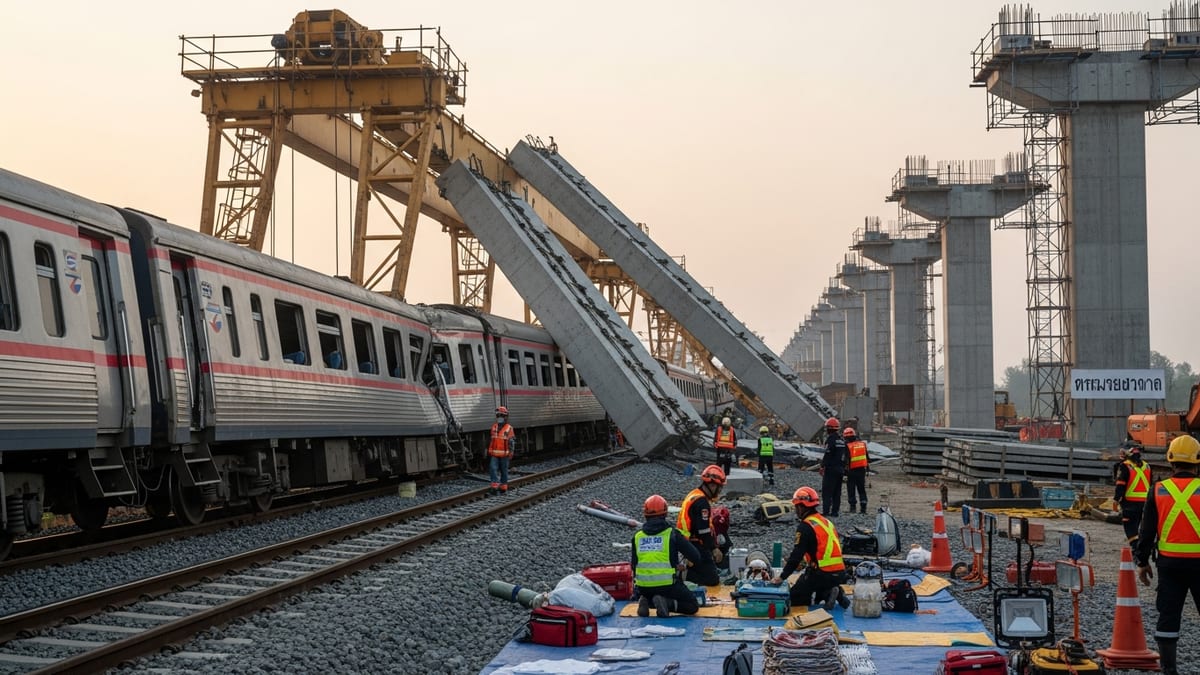
Derailment Inside Kyoto Station Halts Key Commuter Link
Publicly available information indicates that the incident occurred around 5:15 a.m. local time, when a four car Kintetsu Kyoto Line train bound for Kashiharajingu mae derailed within the station area shortly after leaving the Kintetsu platforms at Kyoto. No injuries have been reported among the small number of early morning passengers on board, but the position of the train on the track has made recovery and inspection work complex.
Following the derailment, Kintetsu Railway suspended operations between Kyoto Station and Kamitobaguchi Station on the Kyoto Line, effectively taking out the northernmost section of the route. This short but vital stretch connects Kintetsu services directly into Kyoto Station, a multimodal hub shared with JR Shinkansen, JR conventional lines and the municipal subway, amplifying the disruption far beyond the immediate accident site.
Early assessments reported in domestic media describe the incident as a low speed derailment occurring roughly 100 to 120 meters from the departure point. Rail safety investigators have been dispatched to examine the train, track and signaling systems, and recovery crews are working to rerail the affected cars and verify infrastructure integrity before any resumption of service.
Nara and Kashihara Bound Travelers Face Lengthy Detours
The suspension between Kyoto and Kamitobaguchi has immediate consequences for tourists and commuters heading to Nara and Kashihara, two of the most popular cultural destinations reachable by the Kintetsu network. The affected train was operating a local service toward Kashiharajingu mae in Nara Prefecture, reflecting how the Kyoto Line functions as the northern gateway for a wide range of through services into the broader Kintetsu system.
Normally, many travelers heading from central Kyoto to Nara use Kintetsu’s routes via Takeda and Yamato Saidaiji, taking advantage of frequent local and limited express trains. With the segment into Kyoto Station out of service, visitors already at Kyoto Station must either backtrack to alternative operators, such as JR’s Nara Line departing from adjacent platforms, or transfer onto the subway network and rejoin Kintetsu services further south.
For those bound for Kashihara and other points in southern Nara Prefecture, the loss of direct Kyoto departures is especially disruptive during peak sightseeing periods. Instead of a single seat ride from Kyoto, itineraries now often require a combination of subway, JR, and private rail changes, increasing travel time and crowding on remaining routes that can absorb the diverted demand.
Subway Through Services Suspended as Network Adjusts
The impact is not confined to the Kintetsu Kyoto Line itself. Notices from transport operators in Kyoto state that through running between the Kyoto Municipal Subway Karasuma Line and the Kintetsu Kyoto Line has been suspended in response to the derailment. Under normal conditions, many trains operate directly from the Karasuma Line at Takeda Station onto Kintetsu tracks toward Nara, offering a seamless ride that is especially attractive to visitors staying near central subway stations.
With those through services halted, passengers must now change trains at Takeda, or use Takeda purely as a transfer point between the subway and whatever portion of the Kintetsu Kyoto Line remains operational south of the suspended section. This adds extra steps and potential crowding at Takeda, which is already a busy interchange between municipal and private rail services.
These changes also complicate travel for residents and workers commuting along the corridor, as regular patterns built around direct subway to Kintetsu operations are temporarily broken. Standalone subway services on the Karasuma Line are reported to be operating normally, but the loss of integrated timetables with Kintetsu means that connections may be less predictable and wait times longer than usual.
Advice for International Visitors Traveling Through Kyoto
For international travelers currently in Kyoto or planning imminent itineraries, the derailment underscores the importance of checking real time rail information before setting out. Timetables printed on maps or guidebooks, including those bundled with regional rail passes, do not account for sudden suspensions between Kyoto and Kamitobaguchi, and may still show regular Kyoto Line frequencies and through services that are temporarily unavailable.
Visitors staying near Kyoto Station who intended to use Kintetsu to reach Nara are advised to consider the JR Nara Line from the main station concourse as a primary alternative, particularly during the suspension of Kintetsu services into Kyoto. While journey times and fares differ, JR trains provide a direct link to Nara Station and may help avoid congestion on the subway system as travelers adjust their plans.
Those already holding Kintetsu passes and eager to use that network can travel by subway on the Karasuma Line to Takeda and connect with Kintetsu services operating south of the affected zone, where available. However, this option is likely to involve additional transfers and standing time, especially during busy morning and evening periods, and travelers with luggage or mobility considerations should build extra time into their schedules.
Uncertain Timeline for Full Restoration of Rail Service
As of the latest publicly reported updates on June 29, there is no fixed timeline for the full reopening of the Kyoto Station to Kamitobaguchi section. Kintetsu has indicated that resumption of operations may require substantial time, reflecting the need to complete technical inspections, rerail the affected cars, and confirm that track geometry and signaling equipment meet safety standards before passenger services can restart.
The Japan Transport Safety Board has dispatched rail accident investigators to the scene, a standard step in derailments involving passenger trains. Their work typically includes detailed analysis of vehicle condition, track layout, operating logs and any recorded driving data, meaning that a definitive explanation of the cause may not emerge immediately.
Until clearer guidance is issued on restoration, travel experts recommend that visitors treat the Kyoto Station to Kamitobaguchi section of the Kintetsu Kyoto Line as unavailable and plan entirely around alternative routes. Local media coverage suggests that operators across the Kyoto rail network are monitoring passenger loads closely and may adjust train lengths or frequencies on parallel lines if disruptions continue beyond the initial response period.