


More news on this day
A runway at Kuala Lumpur International Airport (KLIA) has reopened after a brief temporary closure caused by a burst aircraft tyre, with published information indicating that safety checks have been completed and flight operations are returning to normal.
Get the latest news straight to your inbox!
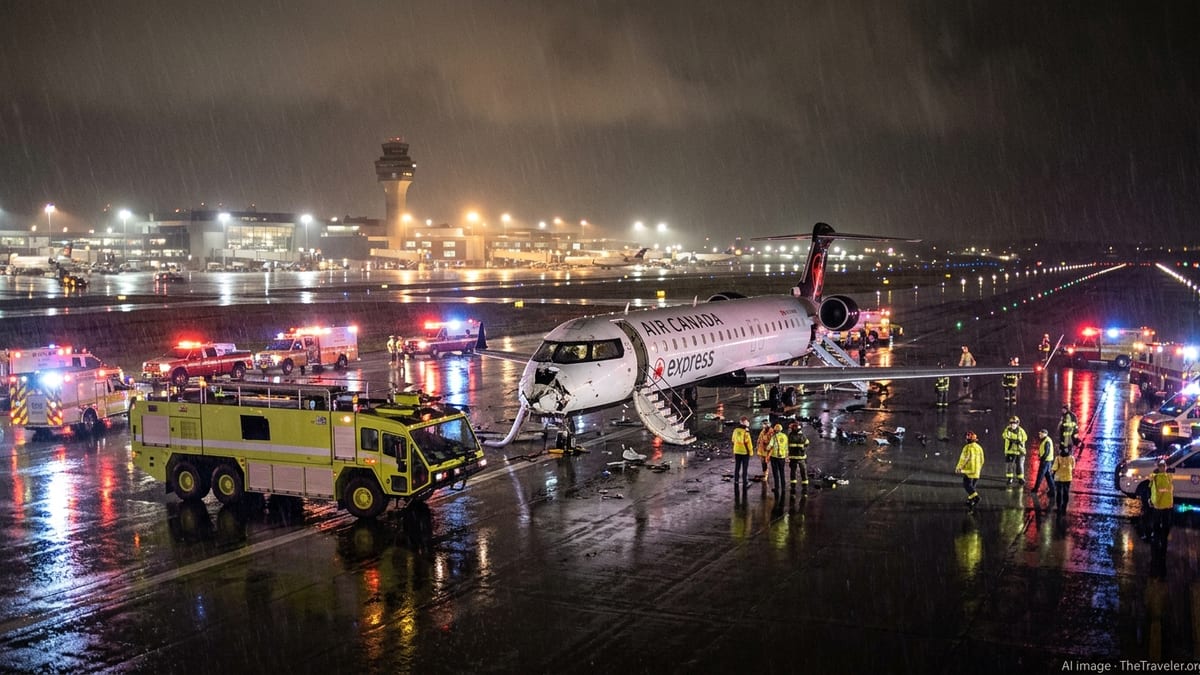
Short runway closure after tyre incident at KLIA
Reports from Malaysian media on 13 June indicate that one of KLIA’s three runways was taken out of service in the evening after an arriving aircraft suffered a burst tyre and came to a stop on the runway. The incident prompted airport and aviation personnel to temporarily suspend movements on the affected strip while the aircraft was secured and debris was checked.
A Notice to Airmen (NOTAM) referenced in local coverage outlined an initial expectation that the closure could last until around 9 pm local time. However, subsequent updates reported that the runway was cleared and made available for use earlier than anticipated once inspections were completed and the surface declared safe for traffic.
Malaysia’s main international gateway continued operating throughout the episode using its remaining runways, which allowed many flights to proceed, albeit with revised timings. The quick reopening helped limit the duration of disruption on a day with steady passenger volumes at the major Southeast Asian hub.
No injuries have been highlighted in publicly available reports related to the tyre incident, and there were no indications of structural damage to the runway surface at the time of reopening.
Delays and diversions ripple through evening schedules
The temporary closure nonetheless triggered a knock-on effect for airlines and passengers, with delays reported across a number of evening services. According to information compiled from airline tracking data and local media summaries, some flights experienced extended taxi and holding times, while others faced revised departure slots as traffic was funneled through the remaining active runways.
Unverified social media commentary pointed to disruptions on several routes, including services linking Kuala Lumpur with regional destinations. In at least one case, a Singapore-bound service from Kuala Lumpur was reported as cancelled, reflecting how a single disabled aircraft can quickly influence tightly timed short-haul networks.
While there were no widespread mass cancellations, passengers travelling through KLIA during the incident window were advised via various channels to monitor airline notifications and airport information boards closely. Residual delays were expected to continue for a period after the runway reopened, as airlines worked through the backlog and repositioned aircraft where necessary.
Industry observers note that even brief runway closures at large hubs can compound quickly into missed connections and altered crew rostering, given the high degree of interdependence in regional and long haul schedules.
Focus on safety protocols and runway inspections
The incident has again drawn attention to the standard safety protocols that come into play whenever an aircraft remains disabled on a runway. Published guidance from aviation authorities stresses that clearing the runway, examining the pavement for tyre fragments or rubber deposits, and confirming that navigation aids are functioning correctly are essential steps before operations can resume.
In similar events at other international airports in recent months, including tyre bursts during landing or aborted take offs, operators have typically halted movements on the affected runway while specialist teams remove the aircraft, assess surface conditions and conduct engineering checks. Runways often remain closed until any contamination or minor damage is addressed, even if the remainder of the airfield continues operating normally.
At KLIA, publicly available information on the 13 June occurrence indicates that the affected runway reopened around 7.40 pm local time, following final safety clearance. The timeframe aligns with standard practice at busy hubs, where airport operators and regulators balance the need to restore capacity quickly with the priority of maintaining a safe operating environment.
Aviation analysts point out that main-gear tyre failures, while relatively uncommon compared with the overall volume of movements, are a known operational risk and are managed through established contingency plans, including well rehearsed runway closure and reopening procedures.
Operational resilience at a multi runway hub
The episode has also highlighted the resilience advantages enjoyed by multi runway airports such as KLIA. With three runways available in normal circumstances, the airport can continue to handle a significant proportion of scheduled movements even when one strip is temporarily unavailable.
Recent experience at other Southeast Asian and Asia Pacific airports, where runway closures due to disabled aircraft or infrastructure issues have led to more pronounced disruption, underscores the role that additional runway capacity plays in absorbing shocks. In Kuala Lumpur’s case, retaining two active runways limited the scale of diversions and helped airlines avoid large numbers of outright cancellations.
However, functioning with one fewer runway still requires tighter sequencing, particularly during peak evening banks. Flight crews may be assigned longer departure queues or holding patterns, and air traffic controllers must carefully manage spacing to maintain both safety and efficiency while reduced capacity remains in place.
Travel sector commentators note that the combination of robust infrastructure, established contingency planning and relatively swift clearance work on 13 June helped keep KLIA’s operations broadly stable, even as some passengers experienced frustrating delays.
What travelers through KLIA should expect next
With the runway now back in service, airlines using KLIA are expected to gradually normalise their schedules through late Saturday and into Sunday. Some carriers may operate with minor timing adjustments or swapped aircraft types as they reposition jets and crews that were affected by the earlier disruption.
For passengers due to travel through Kuala Lumpur over the next 24 hours, travel experts recommend allowing extra time at the airport and checking for the latest flight status updates from airlines before setting out. While the most acute phase of the disruption appears to have passed, knock on effects can linger, especially on short haul routes with frequent daily rotations.
The incident serves as a reminder that even routine technical events such as a burst tyre can quickly influence operations at major hubs. For the wider travel industry, it reinforces the importance of transparent communication, flexible rebooking policies and coordinated decision making between airport operators, regulators and carriers when unexpected runway constraints arise.
As KLIA returns to normal operations, attention is likely to remain on ongoing runway maintenance programmes and aircraft handling procedures designed to minimise the likelihood and impact of similar incidents in the future.