


More news on this day
A Disney Cruise Line sailing from Port Canaveral was abruptly detoured back to Florida within hours of departure this week, after a reported medical emergency on board prompted the ship to reverse course and cut short its initial day at sea.
Get the latest news straight to your inbox!
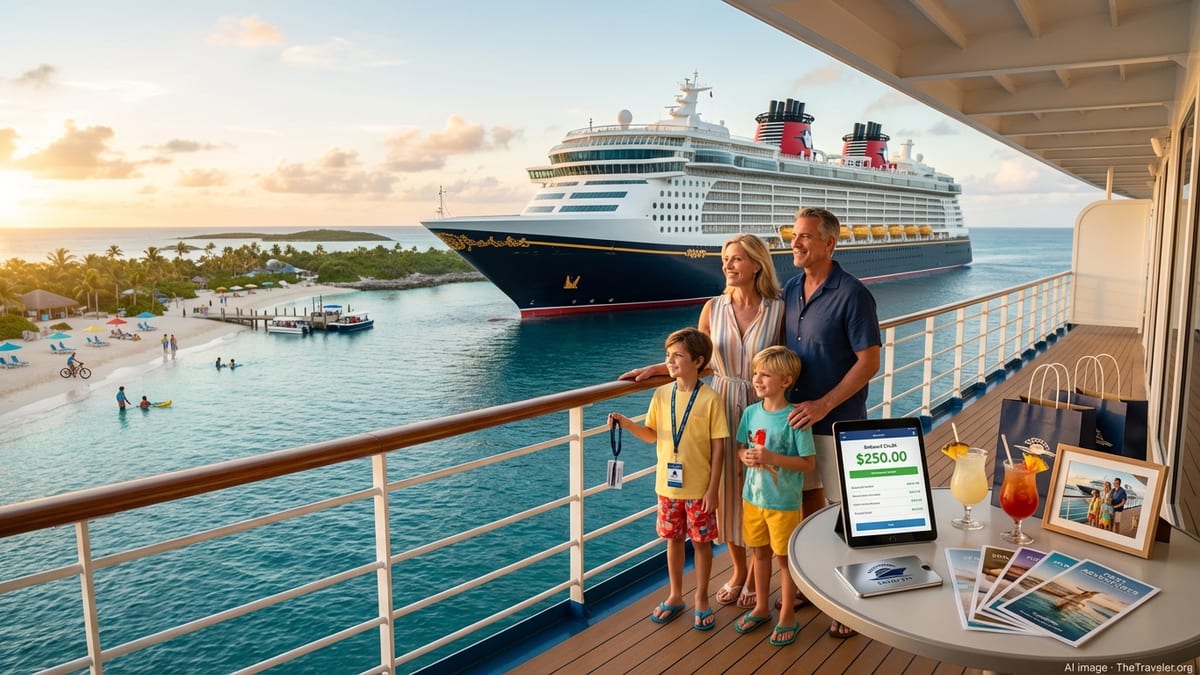
Disney Sailing Turns Around Shortly After Departure
The affected voyage involved a Disney cruise that had only recently left Port Canaveral when it began retracing its route back to the Central Florida port. Publicly available ship-tracking data and multiple online accounts indicate that the vessel, which had departed on a scheduled multi-day itinerary, slowed and turned back toward the coast not long after clearing the channel.
Reports shared by cruise watchers and passengers on social platforms describe an unexpected change in course during the early phase of the journey. Instead of continuing along the planned route, the ship repositioned toward Port Canaveral, ultimately returning to the same terminal where guests had boarded earlier in the day.
The detour unfolded against an otherwise routine peak-summer departure window, when Disney Cruise Line’s ships frequently sail from Port Canaveral on Bahamian and Caribbean itineraries. As of mid-journey, the ship’s schedule for subsequent ports of call and onboard activities remained subject to adjustment while the situation was managed.
Medical Needs Frequently Drive Rapid Cruise Detours
Published coverage and firsthand accounts from recent Disney sailings show that urgent medical needs are among the most common reasons for unexpected course changes shortly after departure. In several recent cases, Disney ships have either reversed course or altered routes so a guest or crew member could receive shore-based treatment as quickly as possible when conditions on board required more advanced care.
Online discussions among Disney Cruise Line passengers highlight previous instances in which ships have turned back within an hour or two of leaving port in order to reach a nearby harbor or rendezvous point. In some situations, vessels have adjusted speed and direction to meet a medical evacuation helicopter or coast guard vessel; in others, they have headed directly back to the embarkation port so that an ambulance and land-based hospital could be accessed.
According to publicly available guidance from major cruise brands, on-board medical centers are designed to handle many routine and urgent issues, but serious or complex cases may necessitate transferring an individual to facilities on shore. For itineraries along the busy Florida and Caribbean cruising corridors, returning to a homeport such as Port Canaveral can sometimes be the fastest practical option, particularly in the early hours of a voyage.
Impact on Itinerary and Guest Experience
When a cruise ship is diverted back to port so soon after departure, the immediate question for many guests is how the change will affect the remainder of the itinerary. In situations like the latest Disney detour, publicly available information suggests that subsequent port calls may be compressed, resequenced, or, in some cases, removed entirely if sailing time is no longer sufficient to reach all scheduled destinations.
Disney Cruise Line’s general booking materials note that itineraries are subject to change for a variety of operational and safety reasons. Travel industry coverage points out that when schedule adjustments occur, cruise operators may substitute an alternative port, convert a day at sea into a call at a private destination, or shorten time ashore at one or more stops so that the overall voyage can still be completed within the original cruise dates.
Guests sharing experiences from earlier diversions on Disney ships often describe a mix of disappointment and understanding. While some travelers express frustration about missed ports or shortened visits, others emphasize that rapid responses to serious health concerns align with their expectations for how a family-focused brand will handle emergencies. Entertainment teams and onboard staff typically work to adjust daily schedules, adding or reshuffling shows, character experiences, and youth activities to keep the atmosphere upbeat while the ship’s route is reworked.
Policy and Safety Context for Sudden Course Changes
Publicly available policy language from Disney Cruise Line and other major operators stresses that the master of the vessel retains broad discretion to alter course, adjust speed, or skip ports when safety or security considerations arise. Health-related issues, severe weather, technical problems and maritime support operations all fall under the umbrella of situations that can lead to a rapid change in plans shortly after sailing.
Travel advisors who specialize in cruises often underscore that these contingencies are built into the fine print of most tickets, meaning that a modified itinerary is not unusual within the framework of cruise contracts. Industry commentary notes that while compensation practices vary, cruise lines typically review diversions on a case-by-case basis, weighing factors such as lost port time, length of disruption and whether passengers were able to complete the bulk of the original voyage.
The latest Disney sailing that returned to Port Canaveral shortly after departure fits a broader pattern in which cruise brands prioritize timely access to medical resources when serious health events occur. Public discussions around recent incidents indicate that, although diversions can reshape vacations in unexpected ways, many guests ultimately view such decisions as an extension of the safety-first approach that underpins modern cruise operations.
What Travelers Should Know When Booking Disney Cruises
The incident serves as a reminder for prospective Disney Cruise Line guests to familiarize themselves with itinerary-change provisions and to build a degree of flexibility into their plans. Travel media and consumer advocates frequently recommend that cruise passengers consider comprehensive travel insurance, including coverage for trip interruption and medical evacuation, particularly when sailing with family members who may have pre-existing health conditions.
Experts in cruise planning also suggest arriving at the embarkation region at least a day early and avoiding tightly scheduled return flights after disembarkation. While most voyages proceed as planned, late arrivals to the final port or mid-cruise disruptions can make same-day flight connections more stressful, especially during peak travel seasons from ports like Port Canaveral, Miami and Fort Lauderdale.
For Disney fans drawn to the line’s themed entertainment, private island destinations and family-centric programming, episodes like this week’s detour highlight the complex logistical and safety considerations that underlie a seemingly carefree vacation at sea. As more details about the affected sailing become widely discussed, many observers are focusing less on the inconvenience of a sudden return to port and more on the importance of swift action when health is at stake in the middle of the ocean.