


More news on this day
Las Vegas, Chicago, New York and Orlando are emerging as the strongest US business travel hubs heading into 2026, with fresh industry data pointing to a new phase of corporate trips driven by meetings, conventions and large-scale events despite softer international demand.
Get the latest news straight to your inbox!
New Rankings Highlight Shifting Corporate Travel Map
Recent coverage of the US business travel outlook indicates that Las Vegas, Chicago, New York and Orlando are poised to see some of the fastest growth in corporate and meetings demand through 2026. A new ranking of business travel hotspots shows these cities leading the national field by combining large convention infrastructure, air connectivity and relatively competitive hotel pricing in key submarkets.
The findings arrive as broader forecasts from travel and hospitality analysts point to a more moderate, but continuing, rebound in business travel spending after the sharp post‑pandemic recovery. Industry reports suggest that group and meetings travel is set to outperform individual corporate trips, favoring destinations that can host large events and offer attractive entertainment or networking options in a compact footprint.
At the same time, research from national tourism and business travel groups points to a mixed macroeconomic backdrop in 2025 and 2026, including slower global growth and weaker inbound international traffic to the United States. Against that environment, domestic corporate trips, regional meetings and incentive programs are expected to be the main engines of growth for leading US cities.
The prominence of Las Vegas, Chicago, New York and Orlando in the latest assessments reflects both their long‑standing roles as convention hubs and recent investments in airport capacity, meeting venues and hospitality upgrades that are designed to secure future corporate bookings several years out.
Las Vegas Extends Its Lead With Mega‑Events and New Capacity
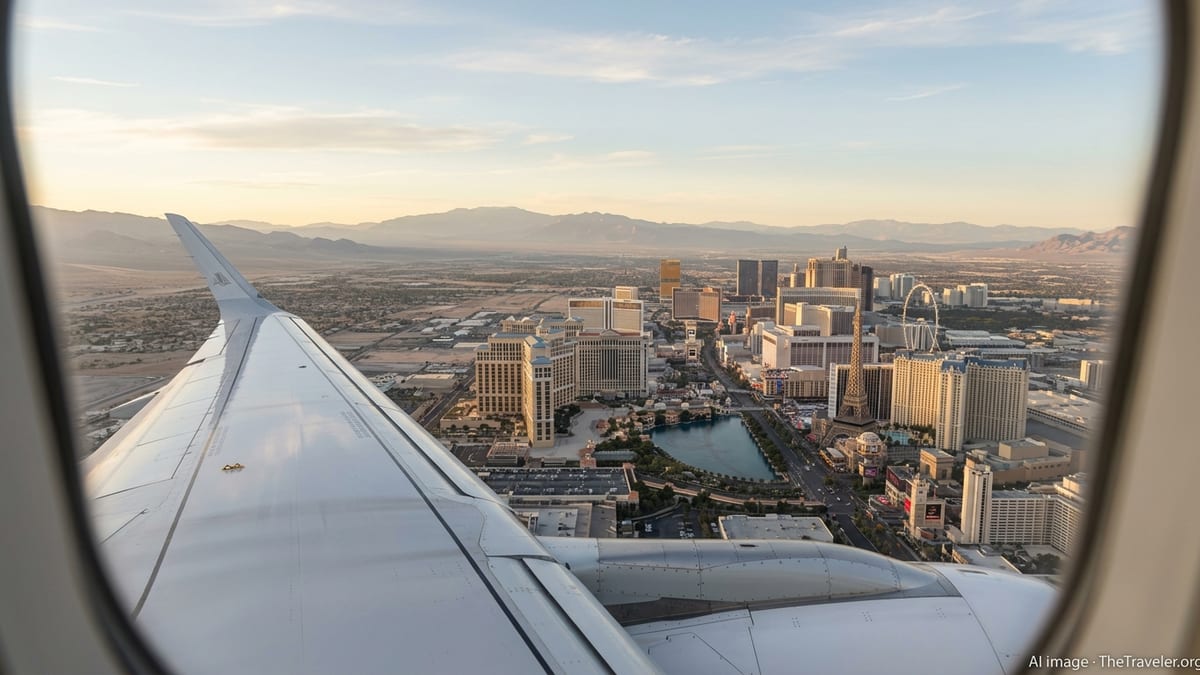
Las Vegas is projected to remain a top choice for conferences and incentive programs in 2026, supported by extensive hotel inventory on and around the Strip and a growing base of large‑scale venues. An expansion of the main convention center and continued development of integrated resort complexes are expected to allow the city to handle more overlapping events and larger delegate counts than in previous years.
Travel trade coverage highlights that business‑related air and hotel bookings into Las Vegas have already been outpacing many other US destinations, signaling strong corporate interest ahead of the 2026 calendar. Planners cite the ability to accommodate sizable groups at varying budget levels, with new and recently renovated properties competing aggressively for midweek corporate business.
In addition to traditional trade shows and association meetings, Las Vegas is also benefitting from the return of major entertainment and sporting events that draw sponsorships, client hospitality programs and executive retreats. Observers note that this combination of formal meeting space and high‑profile events is helping the city defend its position at the top of many business travel rankings.
Despite signs of pressure on some segments of the local tourism workforce, industry analysis indicates that Las Vegas remains comparatively affordable on a per‑day basis for larger meetings when measured against coastal financial centers, which is likely to support demand as companies reassess travel budgets for 2026 and beyond.
Chicago Leverages Hub Status and Meetings Pipeline
Chicago is expected to be one of the strongest performers in corporate travel growth in 2026, underpinned by its central geographic position and extensive air links. Aviation data cited in recent reports shows Chicago O’Hare maintaining its status as one of the most connected airports in the United States, with hundreds of domestic and international routes that make it a practical gathering point for widely dispersed teams.
Business travel benchmarking publications have also drawn attention to Chicago’s rising daily cost profile, as hotel rates and business travel expenses climbed over the past year. Analysts suggest that this upward movement reflects robust corporate and convention demand, rather than excess pricing power alone, and could be a sign of sustained interest from event organizers who prioritize ease of access.
Survey work with meeting planners shows Chicago at or near the top of US destinations for events being booked several years in advance, including into 2026. The city’s large convention center footprint and mix of downtown and neighborhood venues appear to be attracting a range of events, from large association congresses to smaller corporate kickoffs, even as some organizations continue to experiment with hybrid formats.
Observers note that Chicago’s challenge heading into 2026 will be balancing strong demand with rising costs and constrained corporate budgets. However, the city’s transportation network and concentration of major corporate headquarters are expected to keep it firmly in the upper tier of US business travel destinations.
New York Rebounds on High‑Value Corporate Demand
New York is projected to remain a high‑value, if high‑cost, market for corporate travel in 2026, supported by its role as a global financial and media hub. Recent hospitality forecasts point to uneven performance across US urban markets, but indicate that corporate demand in New York is holding up better than some leisure‑dependent segments.
Analysts tracking hotel performance suggest that room rates in central business districts have been supported by a steady return of in‑person meetings, investor roadshows and professional services travel, even as some companies reduce the number of internal trips. For many organizations, New York remains a necessary destination for client‑facing engagements, capital markets activity and industry conferences.
At the same time, publicly available information points to more unpredictable international visitor flows to the city, with some tourism operators reporting softer advance bookings from overseas markets. That dynamic places added importance on domestic corporate and group travel to sustain occupancy levels across Manhattan and key outer‑borough business districts in 2026.
Local tourism and economic development data show continuing investment in new hotels and renovated meeting space, especially near transportation hubs and in neighborhoods positioned as alternatives to traditional midtown venues. These additions are expected to broaden the range of price points available to business travelers, which could help maintain New York’s competitiveness for national meetings even as cost pressures persist.
Orlando Rides Meetings, Incentives and Tourism Infrastructure
Orlando, long recognized for its leisure attractions, is increasingly prominent on corporate travel shortlists for 2026. Travel and tourism impact studies published in recent years indicate that the city has one of the largest overall visitor economies in the United States, with a convention and meetings district that has expanded alongside theme park and resort development.
Industry surveys of meeting planners highlight Orlando’s strong showing in forward bookings, with events already scheduled several years out that combine formal conference programs with incentive‑style activities. The concentration of large hotels clustered around the primary convention corridor allows organizers to scale events up or down while keeping most delegates within walking distance or short transfers of key venues.
New hotel projects and refreshed properties in the convention area are set to add more rooms and flexible meeting space through 2026, complementing existing large‑format facilities that can host trade shows and corporate expos. Travel analysts note that these additions are arriving at a time when companies are looking for destinations that can support experiential add‑ons, such as team‑building and client entertainment, without requiring long‑haul international flights.
While Orlando still faces seasonal competition from pure leisure travel, especially during school holidays, the depth of its visitor infrastructure and its growing specialization in meetings and incentives are expected to keep it among the top US markets for corporate travel growth in the coming years.
Outlook: Moderate Growth, Strong Competition Among US Hubs
Across the United States, business travel forecasts for 2026 point to moderate overall growth after the sharp rebound seen earlier in the decade. National travel organizations project that group and meetings travel will gradually outpace leisure growth later in the decade, but note that economic uncertainty, changing work patterns and weaker inbound international demand could temper gains.
In that context, Las Vegas, Chicago, New York and Orlando appear well positioned due to their scale, connectivity and deep pipelines of booked events. Each city has been investing in new or expanded meeting space, renovated hotels and improved airport facilities designed to secure multi‑year corporate commitments. These assets may offer an advantage if companies become more selective about when and where they bring employees and clients together in person.
Competition among US cities for conferences, trade shows and incentive programs is expected to remain intense, with secondary markets promoting lower costs and distinctive local experiences. However, analysts suggest that the largest and most established hubs are likely to capture a disproportionate share of high‑value corporate events through 2026, given their ability to handle complex logistics and large delegate numbers.
For travel buyers and planners, the emerging 2026 rankings underscore a landscape in which traditional powerhouses such as Las Vegas, Chicago, New York and Orlando continue to dominate, even as they adapt to new expectations around sustainability, duty of care and the overall return on investment from business travel.