


More news on this day
Los Angeles International Airport is expecting more than 2 million passengers over the Independence Day travel period, positioning LAX as one of the country’s busiest hubs during what forecasts describe as a historically crowded Fourth of July travel rush.
Get the latest news straight to your inbox!
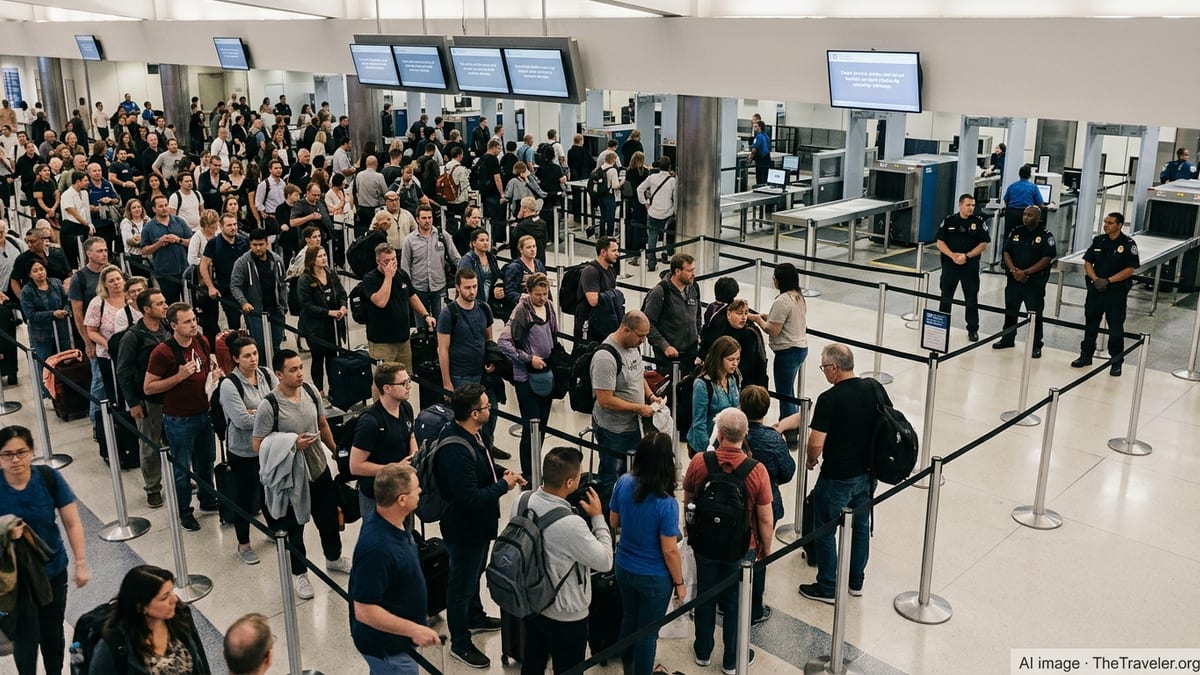
Holiday Forecast Points to One of LAX’s Busiest Weeks
Publicly available information from Los Angeles World Airports and local news coverage indicates that LAX expects to handle in excess of 2 million passengers across the July Fourth travel window, which spans the days immediately before and after the Saturday holiday. The projection reflects sustained demand that has already pushed the airport’s monthly passenger totals back near or above pre-pandemic levels earlier in 2026.
Regional travel forecasts help explain the scale of that surge. The Automobile Club of Southern California estimates that nearly 5.5 million Southern Californians will travel for the holiday period, with more than three quarters of those trips taking place on the road and hundreds of thousands of people flying. Nationally, AAA and other travel trackers are calling for more than 70 million Americans to journey at least 50 miles from home, reinforcing the pressure on major hubs such as LAX.
The Transportation Security Administration separately projects screening about 18.7 million airline passengers nationwide between June 30 and July 6, with July 2 expected to be one of the single busiest checkpoint days on record. As one of the country’s primary international gateways and a dominant West Coast connection point, LAX is poised to see a significant share of that volume.
Industry analysts note that the holiday falls during an already packed summer for Southern California, with large-scale events and peak vacation season driving additional demand. That mix is likely to keep planes full and terminals busy throughout the entire nine day Independence Day travel period that many forecasters are using for planning.
Peak Days and Hot Spots Inside the Terminals
Based on recent TSA statistics and schedule data, the heaviest crowds at LAX are expected from Thursday, July 2, through Sunday, July 5, with early morning and late afternoon departures drawing the longest lines at security and check in. Staffing plans and published coverage indicate that federal screeners and airport operations teams are preparing for sustained peak traffic rather than a single surge day.
Domestic terminals serving major carriers are likely to feel the greatest pressure, reflecting a broader national pattern in which domestic travel demand is outpacing international growth. Airline fare trackers report that average domestic prices for the Independence Day window have remained elevated, yet load factors remain high as travelers prioritize short haul holiday trips.
Within the airport complex, congestion points are expected at ticketing halls, security checkpoints and curbside drop off zones during the morning push, particularly between 5 a.m. and 9 a.m. Arrivals areas may see their own bottlenecks in the evening as multiple transcontinental and international flights land in tight waves. With construction and roadway projects still underway in and around the central terminal area, published advisories consistently recommend extra time to navigate detours and lane closures.
Concourse amenities, including restaurants and seating, are also preparing for extended busy periods. Concession operators at large hub airports have reported higher than usual dwell times as travelers arrive earlier to clear security, a trend that often leaves gate areas crowded hours before departure during peak holidays.
How LAX Fits Into a Record National Travel Picture
The anticipated Fourth of July rush at LAX mirrors trends seen at other major U.S. airports, where passenger forecasts are matching or exceeding prior records. Travel industry data points to one of the busiest Independence Day periods since at least 2019, with strong leisure demand layered on top of growing international traffic and a busy calendar of sports and cultural events.
National travel organizations report that air passenger volumes for 2026 are tracking close to or above 2019 benchmarks, with domestic leisure trips driving much of the growth. At the same time, international hubs such as LAX are benefiting from a rebound in long haul flying and rising interest in West Coast gateways as starting points for Pacific and Latin America itineraries.
Weather is another factor shaping the holiday picture. Seasonal forecasts for Los Angeles call for warm, largely dry conditions around July 4, a pattern that tends to support high demand for coastal destinations and outdoor events. While the lack of major storm systems in Southern California reduces the risk of widespread cancellations at LAX, thunderstorms and heat in other regions can still trigger knock on delays that ripple through national networks and affect flights into and out of Los Angeles.
Analysts also point out that 2026 is an unusually active year for large scale gatherings in the United States, from international soccer tournaments to America 250 celebrations marking the lead up to the nation’s semiquincentennial. Many of those events intersect with summer and holiday travel schedules, helping to push airline bookings higher in early July.
Advice for Travelers Heading Through LAX
Travelers planning to use LAX over the Fourth of July period are being urged in public advisories and travel guides to build in significant buffer time, particularly if they are checking bags or traveling with families. Common recommendations include arriving at least two hours before domestic departures and three hours before international flights, with even earlier arrivals suggested for the busiest morning and evening banks.
Security wait time tools from the TSA and major airlines can provide day of snapshots that help travelers choose checkpoints or adjust their routes through the terminals. However, experts caution that during holiday peaks, conditions can change quickly as large groups or delayed flights arrive all at once, so conservative planning remains important.
Ground access is another consideration. With heavy freeway traffic expected throughout the Los Angeles region, many travelers are being advised to factor in additional time for rideshare pickups, parking shuttles and public transit connections to the airport. Published coverage highlights that curbside congestion near terminal entrances can rival the wait at security on the heaviest days, especially during the afternoon rush.
Inside the terminal, seasoned flyers recommend completing as many tasks as possible before arrival, including mobile check in, digital boarding pass downloads and advance seat selection. Those steps, combined with using carry on baggage where feasible, can reduce exposure to long lines and make it easier to adapt if schedules shift.
LAX’s Holiday Rush as a Test for the Summer Ahead
The Independence Day travel period is often viewed as a bellwether for the rest of the summer, and this year’s forecast at LAX is no exception. With passenger numbers climbing and new infrastructure projects still in progress, the airport’s ability to move more than 2 million travelers smoothly through its terminals will offer an early indication of how the rest of the peak season may unfold.
Los Angeles World Airports has emphasized in public documents that investments in terminal modernization, roadway improvements and new access systems are designed in part to handle precisely these kinds of holiday surges. While some of those projects are still years from completion, elements already online, such as upgraded ticketing areas and security checkpoints, are being relied upon to manage this year’s demand.
For airlines and the broader tourism economy, a relatively orderly Fourth of July rush at LAX would be a positive signal heading into late summer and early fall travel. Strong performance could encourage carriers to maintain or expand capacity on key routes, while a bumpy holiday period might prompt schedule adjustments, additional staffing measures or renewed focus on operational resilience.
For now, what is clear from forecasts and recent booking patterns is that LAX will be a focal point of the nation’s Independence Day travel story, serving as a gateway for millions of passengers eager to celebrate the holiday across Southern California and beyond.