


More news on this day
London has been placed under a high air pollution alert as dense fog and very light winds trap traffic fumes over the capital, with forecasters warning that visibility and air quality problems could disrupt travel into Tuesday.
Get the latest news straight to your inbox!
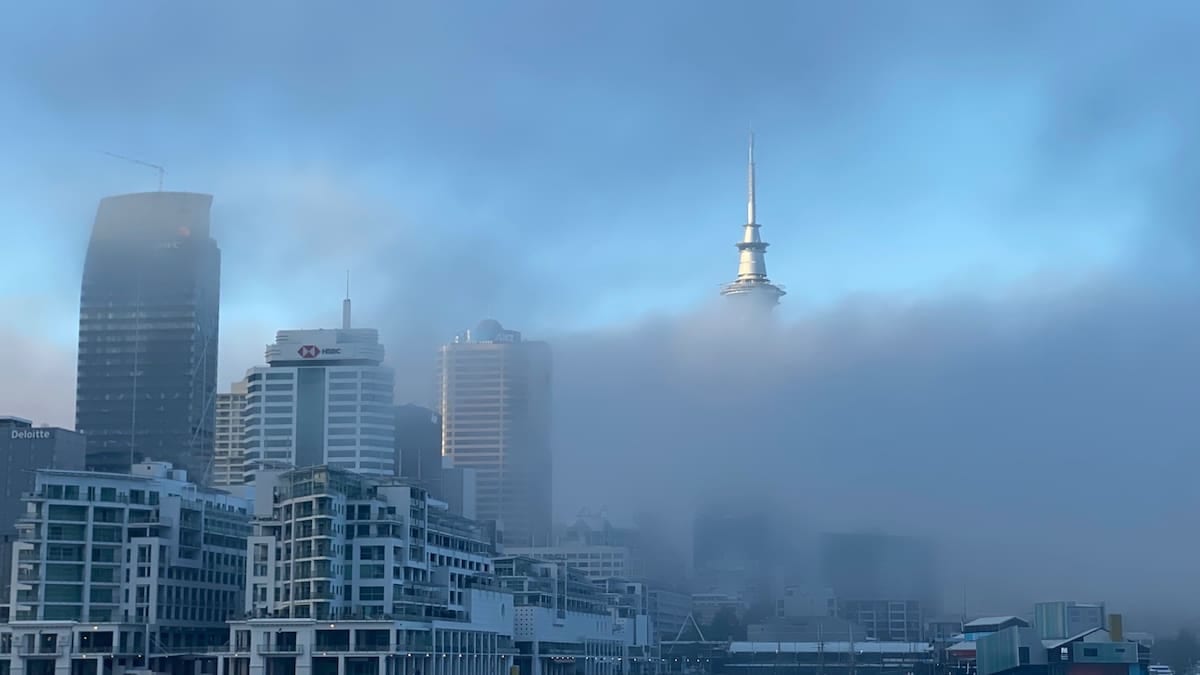
Fog, fireworks and traffic combine to trigger alert
Publicly available information from City Hall shows that a high air pollution alert has been activated for Tuesday 10 November 2026, following a weekend of persistent fog and increased emissions from Bonfire Night fireworks. Forecasts from monitoring teams indicate that particulate pollution and nitrogen dioxide will reach “high” levels across several central and inner London boroughs.
Meteorologists report that a temperature inversion over southeast England has created a lid of cool, still air close to the ground, allowing exhaust fumes, wood smoke and other pollutants to accumulate rather than disperse. The same stagnant conditions have produced extensive fog, with visibility in parts of the capital and the Home Counties reported to be below 100 metres at times on Monday morning.
Analysis published by air quality specialists notes that such episodes are relatively infrequent compared with historic London smogs, but can still pose short-term health risks and cause notable operational challenges for the transport network. City Hall data covering 2018 to 2023 records fewer than two dozen high pollution alerts over that period, underscoring the severity of the current episode.
The latest alert follows earlier pollution warnings issued in summer for ozone peaks, underlining how London’s air quality challenges now occur in both warm and cold seasons, albeit with different mixes of pollutants and meteorological drivers.
Met Office fog warning raises risk of travel disruption
The Met Office has issued a yellow warning for fog covering London and much of eastern and southern England from 18:00 on Monday 9 November through to around mid-morning on Tuesday. The alert text indicates a high likelihood of moderate impact, with expectations of “slower journey times” and a chance of delays or cancellations to flights.
Forecast maps show the fog zone stretching from sections of Yorkshire down through the Midlands to the South East, including the main road and rail corridors feeding the capital. Visibility for road users is expected to be highly variable, with pockets of dense freezing fog possible in low-lying areas and river valleys.
Travel bulletins from national broadcasters on Monday morning already highlighted difficult driving conditions on approaches into London, particularly along sections of the M25, M2 and A2, where traffic was reported to be moving more slowly than usual. Media coverage also points to delays at major airports serving the capital as low cloud and fog complicate aircraft landing and departure procedures.
The combination of limited visibility and lingering surface moisture is likely to continue affecting early-morning commuting on Tuesday, even if official warnings are later downgraded. Transport planners typically advise that journey planning during such episodes should factor in extra time, alternative routes and the possibility of revised timetables.
Airports and rail services prepare for low-visibility operations
According to published aviation coverage, London’s busiest airports have been operating with low-visibility procedures at various points since the weekend, prioritising landings, increasing spacing between aircraft and relying more heavily on instrument landing systems. These measures can reduce capacity and cause knock-on delays even after visibility begins to improve.
Heathrow and Gatwick have previously warned travellers that fog can lead to short-notice schedule changes when arrival flows are restricted. Industry reports on Monday described some early-morning delays and minor cancellations linked to the current conditions, with airlines urging passengers to check status updates before leaving for the airport.
Rail operators serving London are also adjusting to the conditions. Operational guidance indicates that heavy fog can necessitate more cautious signalling and reduced speeds on certain sections of track, especially where lineside visibility and level-crossing approaches are affected. While no widespread cancellations have been reported, journey planners were showing extended travel times on some commuter routes into London during the morning peak.
Bus and coach services across the South East face similar constraints, particularly on rural or unlit routes where fog can be slow to clear. Public transport agencies typically encourage passengers to allow extra time to reach stops and platforms and to be prepared for short delays when visibility is poor.
Health advice for residents and visitors
City Hall’s air quality alert system, launched in 2016, is designed to notify Londoners when pollution is forecast to reach moderate, high or very high levels. Public information about the system explains that alerts are distributed via electronic signs, local authorities and partner organisations, with a particular focus on reaching schools, health providers and vulnerable groups.
Guidance based on national health advice recommends that people with heart or lung conditions, including asthma and chronic obstructive pulmonary disease, consider reducing strenuous outdoor activity when high pollution is forecast. Those who experience symptoms such as coughing, breathlessness or chest discomfort are advised to follow their existing care plans and seek medical support if conditions worsen.
For the wider population, public-facing information suggests simple measures such as avoiding prolonged exercise next to busy roads, choosing back-street walking and cycling routes where possible, and keeping windows closed during peak traffic periods if homes or hotels overlook major junctions. Visitors staying in central London are often encouraged to monitor local forecasts and any notification messages displayed in transport hubs or on roadside signs.
Environmental organisations note that high pollution episodes linked to fog tend to be short-lived, but repeated exposure over many years can contribute to long-term health impacts. London-wide strategies published in recent years emphasise measures to reduce emissions at source, including low-emission zones, cleaner buses and encouragement of active travel alternatives.
What the alert means for travellers planning London trips
For travellers heading into or through London over the next 24 hours, the combination of the high pollution alert and the fog warning means a higher-than-usual risk of disruption but not a full shutdown of the transport network. Most trains, buses and flights are expected to operate, although with a greater possibility of delays and schedule changes.
Passenger guidance compiled from transport operators recommends checking real-time information before departure, particularly for early-morning flights and long-distance rail services that may cross multiple fog zones. Flexible tickets or reservations on slightly later services can provide additional resilience if low-visibility procedures are extended.
Drivers entering London are advised by road-safety campaigns to ensure that fog lights are working, maintain larger gaps to the vehicle in front and avoid sudden braking. Reduced speed limits may be in force on certain stretches of motorway and trunk roads, which can lengthen journey times into central districts and to the main airports.
Tourism bodies note that many indoor attractions, museums, theatres and restaurants across the capital are operating as normal and can provide useful alternatives if outdoor visibility remains poor. However, experiences that depend on panoramic views, such as river cruises or high-level observation decks, may offer limited visibility during the current episode, and some operators may modify schedules or ticketing policies in response to the weather and air quality alerts.