


More news on this day
Hundreds of Nigerian travellers have been left sleeping in terminals at Frankfurt and Munich after a wave of Lufthansa strikes this April triggered mass cancellations on key routes linking Germany to Nigeria and wider West Africa.
Get the latest news straight to your inbox!
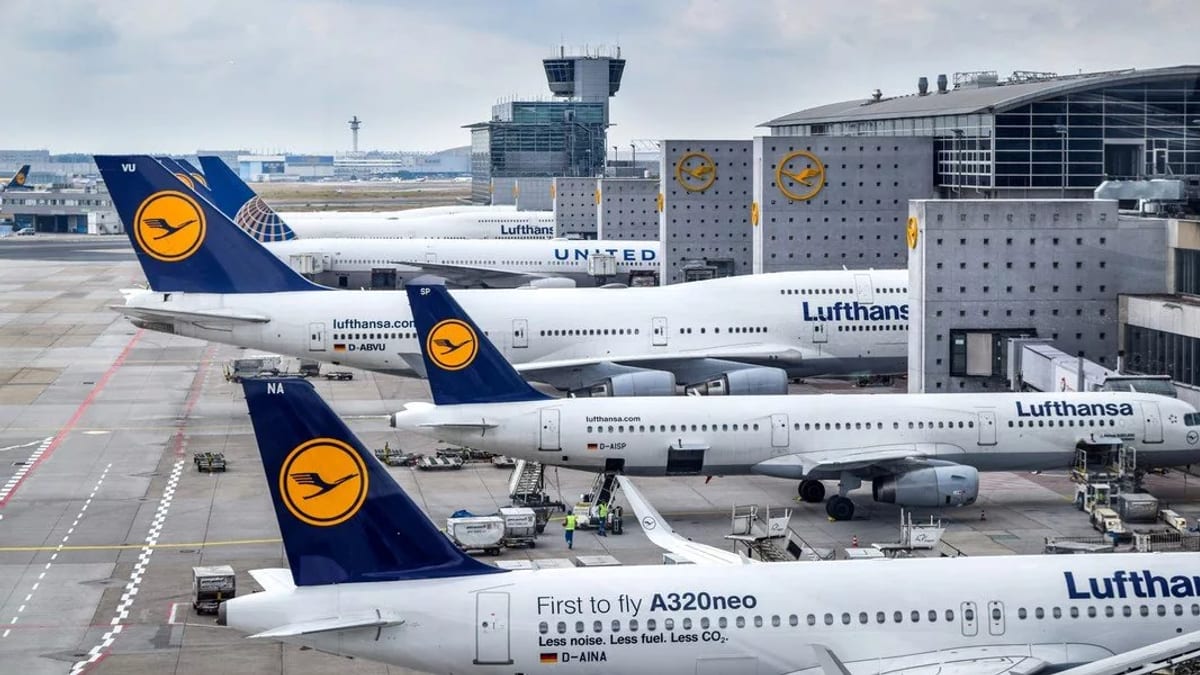
Strikes cripple operations at Frankfurt and Munich hubs
A series of pilot and cabin crew walkouts at Lufthansa in mid-April 2026 has sharply reduced operations across the airline’s network, with Frankfurt and Munich bearing the brunt of disruption. Publicly available data from aviation trackers and passenger rights organisations indicates that on the worst days, between 75 and 90 percent of scheduled Lufthansa departures from these hubs were cancelled or heavily delayed.
The disruption has coincided with a busy post-Easter travel period, pushing terminals close to capacity as stranded passengers compete for limited seats on remaining services. Travel rights platforms report that a cabin crew strike on 13 April alone forced the airline to scrap around 500 flights at Frankfurt and Munich, affecting tens of thousands of passengers in Europe, Africa and the Middle East.
Further industrial action by pilots and crew extended through the week of 13 to 19 April, with some strike calls overlapping. As aircraft and crews fell out of position, knock-on cancellations spread to later days even when work stoppages paused, creating rolling disruption that proved particularly damaging for long-haul connections.
The timing has been especially problematic for travellers relying on Germany’s hubs as gateways to Africa. While European point to point routes often have alternative options, long haul corridors depend heavily on a handful of daily services, leaving passengers vulnerable when those flights disappear from schedules at short notice.
Nigerian passengers hardest hit on West Africa corridors
Reports from Nigerian outlets and traveller advocacy blogs highlight that Nigerian nationals have been disproportionately affected by the latest wave of disruption. Many Nigerians travelling from Lagos and Abuja, or connecting from other European cities, use Lufthansa’s Frankfurt and Munich hubs to reach Germany, the wider Schengen area and North America.
Coverage from Nigerian-focused travel sites and social media posts shows images of passengers with Nigerian passports stretched out on terminal benches and floors in Frankfurt, after overnight services to Lagos and other West African destinations were scrubbed. Some travellers were en route to Nigeria from cities such as London, Paris, Amsterdam and Milan, with their journeys collapsing when one leg of a multi segment itinerary was cancelled.
Local Nigerian media reports indicate that the Nigeria Civil Aviation Authority has been formally notified of the ongoing strikes and the resulting disruption to Germany Nigeria traffic. Public commentary from officials in Lagos underscores that rebooking on other carriers and hotel arrangements in Germany remain within airline and agency discretion, so long as passengers are not abandoned without assistance.
The impact goes beyond missed holidays. Nigerian business travellers have reported losing meetings and contract opportunities, while students and medical travellers have found themselves unable to reach time sensitive appointments at home. For many, the lack of clear communication about when new flights would become available compounded the stress of being stranded abroad.
CityLine cuts deepen disruption across feeder routes
The strike turbulence has unfolded against a backdrop of structural changes at Lufthansa that further constrain capacity. In the same week that labour actions intensified, Lufthansa confirmed plans to shut its regional subsidiary CityLine and began grounding all 27 CRJ 900 aircraft that feed traffic into Frankfurt and Munich.
According to specialist aviation news sites, the CRJ 900 fleet had been serving shorter European routes that act as vital feeders into long haul services. With those aircraft removed from schedules from 18 April, many early morning and late evening connections into the hubs vanished entirely or appeared as cancelled in booking systems, with little advance notice for passengers.
For Nigerian travellers, the loss of these feeder flights has translated into fewer options to reach Germany from secondary European cities before onward departures to Lagos and other African gateways. Some passengers who had already rebooked once due to strikes found their new itineraries invalid when the connecting CityLine segments disappeared, forcing a second round of schedule changes or leaving them stuck in Germany with partially used tickets.
Industry analysts point out that the combined effect of strikes and structural downsizing has created an unusually fragile network, in which a single cancelled feeder can sever access to long haul flights for entire groups of passengers. Nigerian travellers, who often rely on complex itineraries stitched across multiple carriers, are among those most exposed to these cascading failures.
Overnight airport stays and patchy passenger support
Accounts gathered by travel blogs, Nigerian news platforms and passenger forums describe challenging overnight conditions at Frankfurt and Munich as cancellations stacked up. Images and testimonials show families with young children trying to sleep on the floor near closed boarding gates after hotels near the airports reached capacity.
Publicly available coverage indicates that while some stranded travellers received hotel vouchers and meal coupons, others reported long queues at service desks and inconsistent information about their rights. In several cases, passengers said they were advised informally to arrange their own accommodation and seek reimbursement later, a suggestion that is not feasible for travellers with limited funds or expiring visas.
Passengers with Nigerian passports have reported particular anxiety about overstaying Schengen permissions while trapped in transit. With some visas close to expiry, travellers described being instructed to remain airside in transit zones rather than returning to German territory, which left them effectively confined to departure halls overnight without access to full hotel facilities.
Consumer advocates note that under European Union rules, airlines are generally required to provide care, including meals and accommodation, when disruptions cause long delays or overnight stays, regardless of the reason for the cancellation. However, real world implementation often falls short when large numbers of passengers are affected at once, as appears to have been the case during the peak of the Lufthansa strikes.
What Nigerian travellers can expect and how to respond
Passenger rights specialists emphasise that most travellers affected by the strikes, including those on Nigeria bound routes, may be eligible for compensation and reimbursement under European aviation regulations, depending on the specific details of their journey. Labour disputes are typically treated as events within an airline’s control, which strengthens the case for monetary compensation in addition to rebooking and basic care.
Guides published by air passenger rights organisations advise travellers to keep all boarding passes, booking confirmations and receipts for meals, hotels and alternative transport. These documents form the basis of compensation and refund claims submitted through airline websites or customer portals, where processing times can stretch over several weeks due to high volumes.
For Nigerians still planning to travel through Germany while the labour dispute remains unresolved, travel experts recommend building in longer connection times, monitoring strike calendars and checking flight status several times in the 24 hours before departure. Some advisory sites also suggest considering alternative routings via other European hubs where feasible, particularly for time critical trips.
As negotiations between Lufthansa management and unions continue, observers expect further volatility across the carrier’s network. For now, the images of Nigerian passengers stretched out on terminal floors in Frankfurt and Munich have become a stark symbol of how quickly Europe’s busiest hubs can grind to a halt when labour tensions collide with already stretched airline operations.