


More news on this day
A Ryanair flight from eastern France to Morocco reportedly departed with no passengers on board after airport police denied boarding to 192 ticketed travelers, leaving them stranded overnight and intensifying debate over Europe’s border and airline practices.
Get the latest news straight to your inbox!
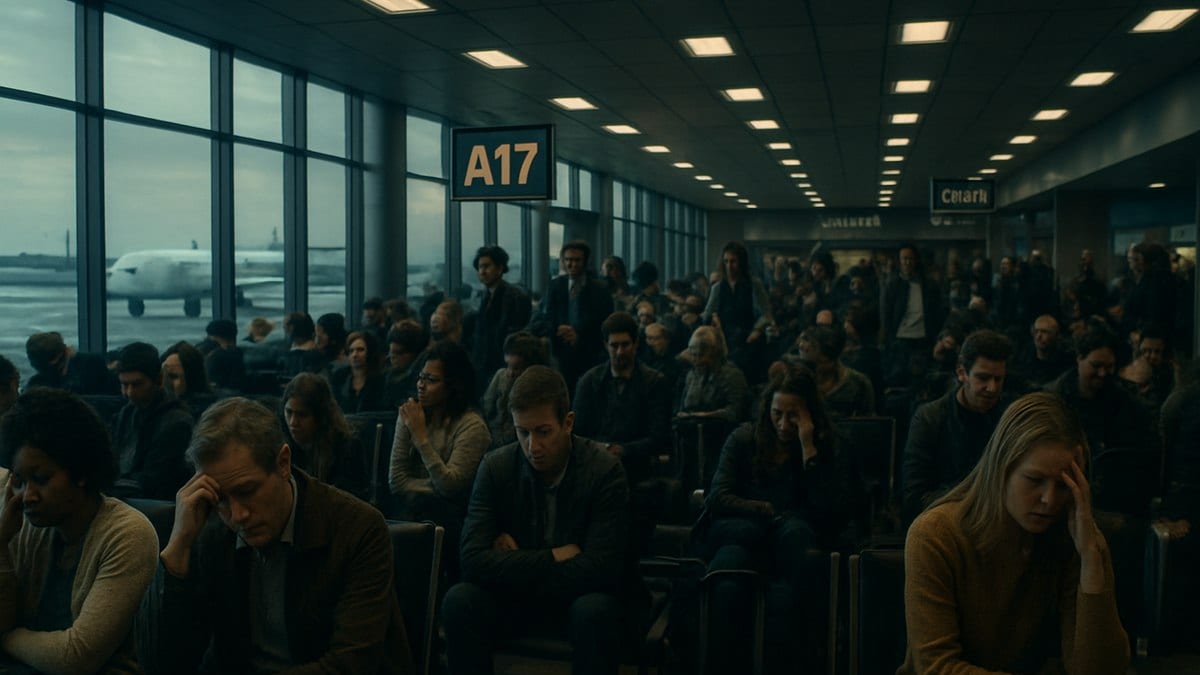
Empty departure from Vatry sparks outrage
Reports indicate that the incident occurred on 14 April at Vatry Airport in France’s Marne department, where a Ryanair service to Marrakech was scheduled to depart with nearly 200 passengers. Local coverage states that police intervened during boarding, citing documentation issues related to some travelers, and subsequently barred all 192 passengers from getting on the aircraft.
According to published accounts, the aircraft eventually left Vatry without any passengers, flying to its Moroccan destination solely with crew on board. The unusual decision for a fully booked commercial flight to depart empty has drawn widespread criticism from stranded travelers and consumer advocates, who argue that more proportionate solutions could have been found.
Publicly available information suggests that some passengers were accommodated on later services, while others faced long delays in securing alternative travel. The disruption highlighted the limited options at smaller regional airports, where late-night onward connections and customer support facilities are often scarce.
Role of police checks and border formalities
Accounts in French and international media indicate that the dispute centered on identity checks and travel documentation. Police at the airport reportedly raised concerns about the status of some passengers and took the decision to prevent the entire group from boarding, prompting the aircraft’s eventual departure without them.
The situation has renewed attention on the complex balance between border security and passenger rights within the European travel area. While checks are designed to ensure that only properly documented travelers are permitted to board international flights, critics argue that blanket denials affecting entire planeloads of passengers can be disproportionate and poorly managed in practice.
Observers note that similar tensions have surfaced at other French airports, particularly on routes crossing the external borders of the European Union where identity and visa controls are more stringent. The Vatry episode is now being cited in wider discussions about how these controls are implemented and communicated to passengers, especially in cases involving chartered or group travel.
Ryanair’s response and passenger assistance
According to publicly available statements, Ryanair has emphasized that decisions regarding police checks and border control at French airports are outside the airline’s direct control. The carrier maintains that it operated the flight in line with its operational obligations, including slot restrictions and crew duty-time rules, which can limit how long an aircraft can remain on the ground awaiting clearance.
Reports suggest that the airline offered rebooking options and assistance in line with its standard procedures. However, some passengers have told media outlets they felt inadequately informed about their rights and struggled to secure accommodation or timely alternative travel from the relatively remote Vatry Airport, which does not have the same level of infrastructure or frequency of flights as larger French hubs.
Travel rights specialists point out that, under European consumer protections, airlines operating from EU airports generally have obligations to provide care and, in many circumstances, compensation when passengers are denied boarding or suffer significant delays, except where extraordinary circumstances can be demonstrated. Determining whether the Vatry case falls under such exemptions is likely to be central to any future claims.
Spotlight on regional airports and low cost operations
The incident has also focused attention on the growing use of secondary and regional airports by low cost airlines seeking lower fees and faster turnarounds. Vatry, primarily known as a cargo and charter hub, has been marketed as an alternative to busier Paris-area airports, but passenger volumes and ground services remain limited compared with major international gateways.
Analysts note that when disruption occurs at smaller airports, travelers can face greater challenges in arranging hotels, ground transport and rebooked flights, particularly late at night. Reports from Vatry describe families spending long hours at the terminal while attempting to contact customer service channels and travel providers.
Aviation commentators say the empty departure to Marrakech from Vatry illustrates both the efficiencies and vulnerabilities of the low cost model. Tight schedules, lean staffing and strict adherence to turnaround windows help keep fares low, but can also reduce flexibility in handling complex incidents involving border checks, group travel and last-minute disputes over documentation.
Renewed scrutiny of passenger rights and procedures
The episode comes at a time when European regulators, consumer groups and airlines are already engaged in an ongoing debate about the balance of responsibilities when flights are disrupted by external factors such as strikes, air traffic control issues or security alerts. Recent coverage of other incidents in France and Spain, where Ryanair flights departed without substantial numbers of ticketed passengers due to bottlenecks at passport control, has added to public concern about how such events are managed.
Industry observers expect that the Vatry case will be closely examined by national and European-level bodies responsible for aviation and consumer protection. Key questions include whether communication with passengers was adequate, whether alternative solutions were reasonably explored, and how responsibilities were shared between the airline, airport operator and state services involved in border checks.
For travelers, the incident serves as another reminder of the importance of understanding documentation requirements, monitoring flight information channels and being prepared for irregular operations. For airports and airlines, it reinforces growing pressure to improve coordination with border agencies and to ensure that when disruptions occur, planeloads of stranded passengers are not left with an aircraft departing empty and few clear answers.