


More news on this day
Travelers connecting through Houston’s George Bush Intercontinental Airport are facing an extended day of disruptions, as publicly available tracking data shows United Airlines and its regional partners CommuteAir, Mesa Airlines, SkyWest and others recording 262 delays and three cancellations across routes linking the United States, Canada, Mexico, the United Kingdom and additional international destinations.
Get the latest news straight to your inbox!
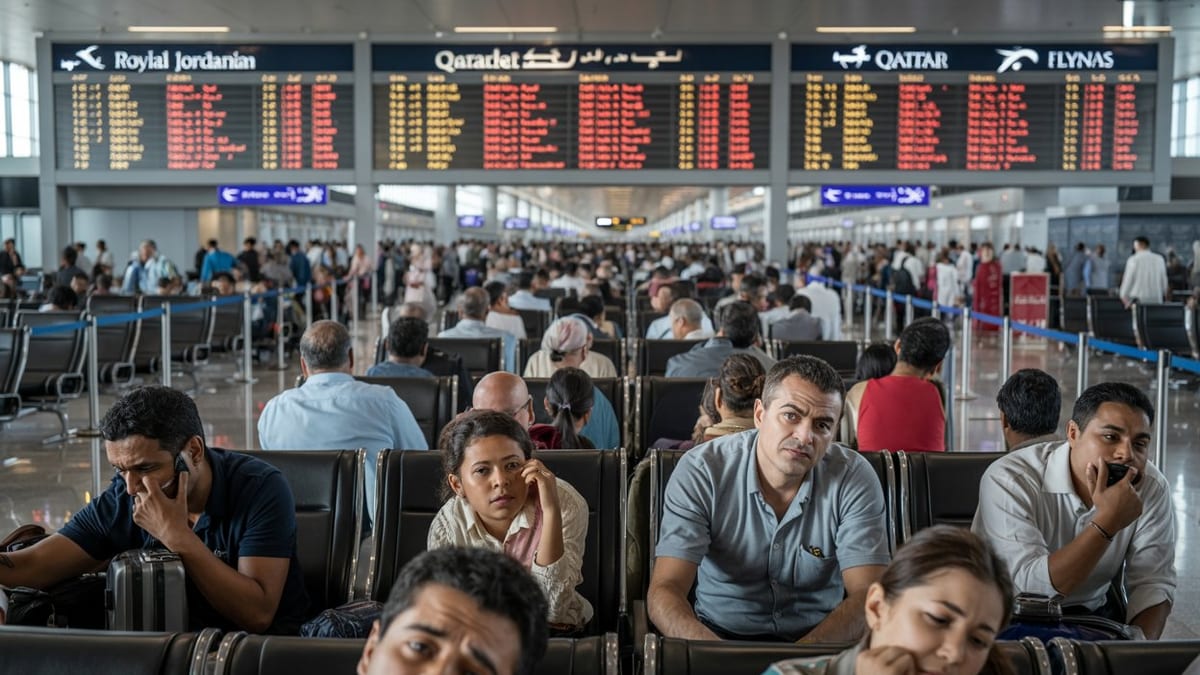
Thunderstorms And System Strains Slow Traffic At A Key United Hub
George Bush Intercontinental, one of United’s largest hubs, has seen operations slow significantly following rounds of thunderstorms in the Houston area this week. Local broadcast coverage and Federal Aviation Administration advisories report temporary ground stops and ground delay programs at the airport as storms passed over the region, forcing arriving and departing flights to hold or wait for longer departure windows.
The weather issues are hitting an already busy travel period, compounding congestion at a hub that feeds domestic and international traffic across United’s network. As schedules bunch up during weather disruptions, aircraft and crews often end up out of position, which can ripple outward from Houston to other major cities in the United States and abroad.
In addition to the weather, broader strains on the national airspace system continue to play a role. Aviation consumer reports from the U.S. Department of Transportation note that a sizable share of delays each year are attributed to factors such as heavy traffic volume, air traffic control constraints and late-arriving aircraft, which can quickly cascade when a hub like Houston is affected.
The result on this latest day of disruptions is a patchwork of late departures and arrivals affecting flights on both short-haul regional routes and long-haul international services, with many itineraries passing through Houston experiencing missed connections or schedule changes.
United And Regional Affiliates Bear The Brunt Of Disruptions
Publicly available flight tracking boards show that the majority of the 262 noted delays and three cancellations involve United-branded operations, including services flown by regional affiliates CommuteAir, Mesa Airlines and SkyWest. These carriers operate many of the smaller jets that connect Houston to secondary cities across North America, feeding passengers into United’s long-distance network.
Recent industry data highlights how tightly integrated these operations are. Federal transportation statistics list United, CommuteAir, Mesa and SkyWest together in on-time performance tables, underscoring how delays on regional feeder flights can affect mainline departures and vice versa. When an inbound regional flight arrives late into Houston, the connecting aircraft or crew may not be ready for its next scheduled leg, even if conditions at the destination airport are clear.
On the long-haul side, tracking services show multiple United international departures from Houston experiencing significant holds in recent days, including services to major hubs in Europe and to cross-border destinations in Mexico and Central America. These longer delays can have knock-on effects abroad, as aircraft that land late may depart late on their return journeys, affecting passengers in those markets as well.
The combination of mainline and regional disruption is particularly visible on routes where United code shares with international partners. When a Houston departure falls behind schedule, passengers connecting onward to carriers based in Canada, Europe or Latin America may find their onward flights rescheduled, rebooked or missed entirely, adding to the day’s travel challenges.
Impact Spreads Across United States, Canada, Mexico And The United Kingdom
Because Houston functions as a central transfer point, today’s operational difficulties are not limited to Texas. Flight status boards indicate knock-on delays at major United stations including Denver, Newark, Chicago and San Francisco, as aircraft cycling through Houston arrive late at their next destinations. These hubs, in turn, distribute schedule changes onward to smaller airports around the United States.
Internationally, the disruptions are touching airports in Canada, Mexico and the United Kingdom where United and its partners operate direct services from Houston or rely on connecting traffic routed through the Texas hub. Flights linking Houston with Canadian cities and key Mexican destinations have reported late departures and arrivals, with some services facing extended turnaround times.
On transatlantic routes, publicly available performance data shows recent Houston departures to major European gateways, including airports in the United Kingdom and continental Europe, encountering delays ranging from modest schedule slips to multi-hour holds. When these aircraft land behind schedule, connecting banks for onward European flights can be disrupted, forcing some travelers into later options.
This network effect means that travelers who never set foot in Texas can still feel the impact of Houston’s congestion. A late-arriving transatlantic flight from Houston may cause missed domestic connections in Europe, while delayed inbound services from Canada or Mexico can compress connection times or require rebookings in Houston on the return.
Travelers Face Long Lines, Tight Connections And Rebooking Challenges
For passengers, the statistical picture of 262 delays and three cancellations translates into longer lines at check-in counters and security, crowded gate areas and extended waits on board aircraft. As flights depart and arrive late, connection windows shrink, leaving some travelers sprinting between terminals and others seeking new itineraries altogether.
Travel advisory sites recommend that passengers monitor airline mobile apps and airport flight information displays frequently during disruption events, since departure times can change multiple times over the course of the day. In cases where missed connections are likely, many carriers allow same-day changes through digital channels, reducing the need to wait in line at customer service desks.
Consumer advocates note that eligibility for compensation or meal and hotel vouchers depends on the cause of the delay. U.S. Department of Transportation guidance distinguishes between issues within an airline’s control, such as certain maintenance or crew problems, and external factors like severe weather or air traffic control restrictions. Weather-linked delays often do not qualify for compensation, even when they are lengthy.
Given the scale of the current disruptions at Houston and beyond, experienced travelers also advise packing essential items in carry-on bags, allowing extra connection time where possible and remaining flexible with routing, as airlines may reroute passengers through alternative hubs to bypass congestion at Bush Intercontinental.
Broader Questions About Resilience In A Busy Travel Season
The latest wave of delays at Houston Bush Intercontinental arrives during a period of strong air travel demand and persistent operational pressures across the industry. In recent months, airline and government data have shown elevated levels of delays and cancellations at several major hubs, with factors ranging from staffing and aircraft availability to weather volatility and infrastructure bottlenecks.
Aviation analysts point out that hub-and-spoke networks, such as United’s system centered on airports like Houston, are highly efficient under normal conditions but vulnerable to cascading failures when a single node experiences stress. A cluster of thunderstorms, a temporary systems issue or an imbalance in crew resources at one hub can quickly reverberate across multiple continents.
Regulators and consumer groups have urged airlines to bolster resilience by building more slack into schedules, improving crew reserve planning and investing in technology that can reroute aircraft and passengers more quickly when irregular operations occur. Airlines, for their part, have argued that many constraints sit outside their direct control, including airspace capacity and severe weather patterns.
For travelers watching departure boards at Houston and at airports thousands of miles away, the policy debate is less immediate than the practical question of when their flights will depart. As airlines work through the 262 delayed flights and a handful of cancellations tied into today’s schedules, the episode offers another reminder that a disruption at a single hub can have global reach during a busy travel season.