


More news on this day
Luxury hotel brands are accelerating a shift from standalone stays to intricately planned journeys, rolling out multi‑property itineraries that stitch together flagship hotels, trains and even private jets for travelers seeking high‑touch, end‑to‑end experiences.
Get the latest news straight to your inbox!
From single stays to branded grand tours
Ultra‑luxury hospitality groups are placing growing emphasis on itineraries that link several of their own properties, reflecting rising demand among affluent travelers for seamless journeys over isolated hotel nights. Research from industry analysts places brands such as Aman, Belmond, Four Seasons and Rosewood in the top tier of luxury operators worldwide, and many of these names are now marketing multi‑stop trips that keep guests inside a single brand ecosystem across borders and trip styles.
Publicly available information shows that these programs go beyond simple multi‑city bookings. Itineraries are being designed and sold as finished products, often with fixed departure dates, signature excursions and dedicated support teams following guests from one property to the next. The model echoes expedition cruising and small‑group tours, but with hotels, trains and villas taking the place of ships.
Analysts note that this approach offers brands more control over the full customer journey, from airport arrival to final transfer, while encouraging higher total trip spending. For travelers, the promise is consistency of design, service and benefits from one destination to another, without the need to research and assemble complex routes on their own.
Belmond links trains, hotels and cruises into set routes
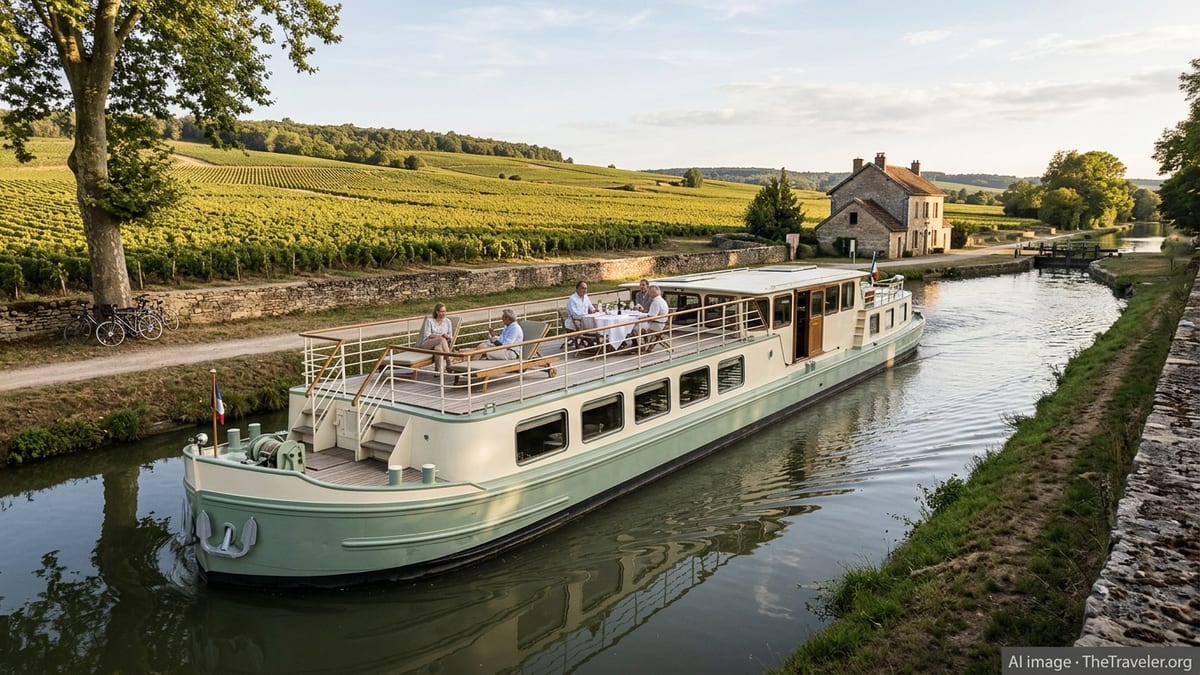
Belmond, which operates a portfolio of hotels, trains, barges and safari lodges, has been among the most active in formalizing multi‑property itineraries. The company promotes suggested tours that combine its city hotels with its Venice Simplon‑Orient‑Express and other rail products, as well as river cruises and countryside retreats, framing them as “unforgettable travel packages” that can be customized or booked largely as presented.
Media materials released by Belmond outline a growing slate of multi‑night “grand tour” style journeys. In Europe, the Villeggiatura by Train concept connects Venice, Florence and Portofino in four‑day trips that pair a night aboard the Venice Simplon‑Orient‑Express with two‑night stays at hotels such as Hotel Cipriani in Venice, Villa San Michele near Florence and Splendido on the Ligurian coast. The itineraries are built to celebrate slow travel and the Italian tradition of extended summer holidays, with rail segments and hotel stays sold as a single narrative.
Beyond Italy, Belmond itineraries in South America bring together properties in Peru and Brazil with the brand’s Hiram Bingham and Andean Explorer trains, according to company brochures. Suggested routes feature nights in Lima, Cusco and Iguassu Falls, with optional rail extensions and coordinated transfers. Other programs link African safaris, Cape Town’s Mount Nelson hotel and luxury rail journeys, underlining the group’s strategy of using its network to create end‑to‑end experiences under one label.
Aman scales up jet expeditions across its resort network
Resort specialist Aman is also leaning into the multi‑property trend through its private jet expeditions, which move small groups between a sequence of Aman resorts by chartered aircraft. According to itineraries published for 2024 and beyond, the brand now offers several set routes that span continents and cluster stays at flagship locations such as Amanpulo in the Philippines, Moroccan desert retreats and North American resorts.
One expedition marketed in partnership with specialist operator Remote Lands traces a three‑continent loop, flying guests by private jet from Asia to the Middle East, Europe and North America. Participants stay multiple nights at each Aman property on the route, with ground logistics, transfers and curated experiences arranged in advance. The format effectively turns a portfolio of individual resorts into a single, extended journey framed by the brand’s design language and service style.
Published coverage of Aman’s jet program indicates that space is kept deliberately limited, often to around 18 travelers, with structured itineraries and dates. The company positions these trips as a way to “see the world through Aman,” using the consistency of its properties to appeal to loyal guests who prefer to move between familiar standards even as they explore unfamiliar destinations.
Four Seasons refines around‑the‑world hotel itineraries
Four Seasons has taken a similar approach at larger scale, building on its long‑running private jet program to offer around‑the‑world itineraries that link many of its hotels on a single continuous trip. Marketing documents for upcoming journeys describe multi‑week routes that typically start in Europe and continue through Asia, the Middle East and the Americas, with guests flying between destinations on a branded aircraft and staying at Four Seasons properties throughout.
One such itinerary, promoted as a future “Grand Tour” style journey, highlights stops that include stays at Four Seasons Hotel George V in Paris and other flagship urban and resort properties. Each segment pairs hotel nights with curated city experiences, from cultural visits to culinary events, which are bundled into a single per‑person price. A dedicated journey team travels with guests to coordinate check‑ins, excursions and logistics.
Industry observers view the Four Seasons model as another example of hotels repositioning from static places to mobile travel platforms. Rather than relying on guests to string together separate stays, the brand is packaging a chain of its properties into one cohesive product, marketed with limited departures and heavy emphasis on service continuity across borders.
What is driving demand for multi‑property luxury itineraries
Several factors are contributing to the emergence of curated, multi‑property itineraries as a core product for high‑end hotel brands. Travel advisors report that affluent clients increasingly seek complex, experiential journeys that touch multiple countries or regions in a single vacation, but have limited time to manage the associated planning. Turnkey itineraries that connect trusted brands from start to finish appeal to travelers who prioritize ease and predictability alongside exclusivity.
The model also responds to the broader shift toward “slow” and experiential travel. Programs like Belmond’s Villeggiatura by Train emphasize unhurried movement and deeper immersion in each stop, even as itineraries cross long distances. By tightly integrating hotels, trains and other modes within one branded trip, companies can highlight themes such as gastronomy, heritage or landscape in a way that is difficult to replicate with standalone bookings.
From a commercial perspective, multi‑property journeys help luxury groups maximize the value of their portfolios. Filling several hotels, trains or villas with the same cohort of travelers on a single booking cycle can deliver more predictable revenue and strengthen brand loyalty. As more itineraries are added and routes adjusted, observers expect competition among leading luxury brands to shift further toward who can offer the most compelling, end‑to‑end journeys rather than simply the most opulent individual properties.