


More news on this day
Several SpiceJet departures from Delhi to Leh and Jammu were delayed for hours at Indira Gandhi International Airport on Saturday, September 19, 2026, after an early-morning disruption affected check-in activity at Terminal 1 and left travelers waiting inside the terminal.
Get the latest news straight to your inbox!
What happened at Delhi Airport on September 19
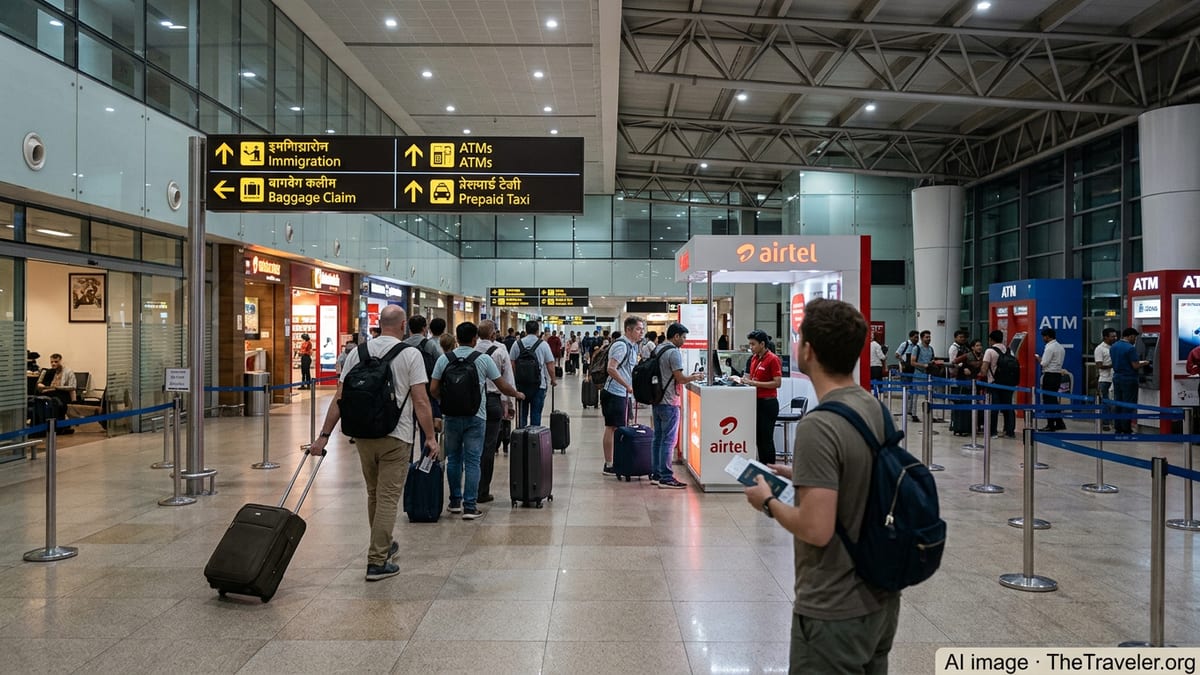
Published coverage indicates the disruption began around 2:30 a.m. at Terminal 1, when SpiceJet check-in activity for some Leh-bound services did not start as expected, creating long queues and confusion among passengers attempting to drop bags and obtain boarding passes. Reports described a crowd forming in the terminal as travelers tried to determine how to get updates and proceed through the standard departure steps.
The affected services included SpiceJet flight SG127 from Delhi to Leh, which had a scheduled departure time of 4:50 a.m. and reportedly left around 9:00 a.m., pushing the delay beyond four hours. Two other Delhi to Leh departures, SG121 (scheduled 6:10 a.m.) and SG125 (scheduled 8:45 a.m.), were also impacted in the same morning window.
On the Delhi to Jammu route, flight SG2160, scheduled to depart at 7:40 a.m. from Terminal 1, was also delayed, with published reports describing a delay of more than an hour. A SpiceJet Delhi to Dubai flight, SG5111, operating from Terminal 3 and scheduled for the morning, was also reported as delayed as the wider disruption played out.
Airline and airport responses, and when flights eventually departed
According to published coverage, SpiceJet attributed the delays to operational reasons and later stated that key affected domestic flights from Delhi to Leh and Jammu had departed and landed at their destinations. That outcome offered some closure for travelers concerned about missed connections and onward travel in Ladakh and Jammu and Kashmir, where flight schedules can be particularly time-sensitive for same-day hotel check-ins and planned ground transport.
Delhi Airport also acknowledged the disruption in public messaging shared in news reports. Coverage described airport teams coordinating with the airline and other stakeholders to assist travelers and help normalize conditions inside the terminal.
Reports also referenced visuals showing airport staff distributing water to waiting passengers and footage of crowds inside the terminal area. While the disruption was concentrated in the early morning, the knock-on effects were significant for passengers holding time-bound itineraries, including travelers aiming to reach Leh for tours, trekking logistics, and permits, and travelers headed to Jammu for family visits, business, or onward road travel.
Why Leh and Jammu disruptions can be especially disruptive for travelers
Delhi is a major gateway for domestic travel into India’s northern mountain and border regions, and early departures to Leh are popular because they maximize daylight on arrival and make it easier to connect to same-day transfers and excursions. When those departures slip by several hours, travelers may lose pre-booked taxi pickups, shared transfers, or carefully scheduled tour departures.
Leh’s Kushok Bakula Rimpochee Airport operates in a high-altitude environment where timing matters for both flight operations and traveler acclimatization plans. Many itineraries build in a slow first day on arrival, and a late arrival can compress those plans and complicate hotel check-in, meal timing, and rest schedules.
For Jammu, delays on the Delhi route can have ripple effects for travelers aiming to connect by road or rail to nearby destinations. A departure that shifts by an hour or more can be the difference between making a planned onward journey the same day or needing to rebook transport, especially for those traveling with families or tight work schedules.
What passengers can do during a same-day delay at Delhi Airport
For travelers caught in a fast-moving disruption, the most practical first step is to rely on real-time flight status tools and official airport flight information pages to confirm whether a flight is delayed, boarding, or gated. Published reporting on the September 19 disruption indicated passengers were advised to seek assistance from the airline and on-ground teams for the latest updates, which is consistent with standard airport guidance during irregular operations.
When delays are linked to check-in bottlenecks, travelers with checked bags may be particularly affected, since bag acceptance cutoffs and counter availability can influence whether passengers can proceed toward security. In these situations, travelers can reduce uncertainty by confirming their flight’s latest status, staying near designated counters or help desks, and keeping booking references, identification, and baggage receipts easily accessible.
Travelers with non-refundable hotel reservations or prepaid tours in Leh or Jammu may also want to message their accommodation or operator as soon as a delay becomes apparent, especially when the arrival time shifts into midday or later. Even a brief written update can help preserve reservations or reschedule pickups without needing to renegotiate on arrival.
Context: recent attention on SpiceJet disruptions in Delhi
The September 19 delays came amid heightened traveler sensitivity to irregular operations after earlier mid-September disruptions involving SpiceJet services operating out of Delhi. In separate published coverage, delays on certain international services drew attention after extended postponements prompted passengers to wait at the airport for long periods.
While the September 19 issue centered on domestic routes to Leh and Jammu in the early morning and later resolved with flights operating to destination, the episode underscores how quickly conditions can deteriorate at a major hub when routine ground processes like check-in do not run on schedule.
For travelers flying out of Delhi, especially on the first wave of morning departures, the day’s events also highlight the value of arriving with a time buffer, keeping essentials in carry-on baggage, and monitoring flight status frequently when a trip depends on a single daily departure or a narrow window for onward connections.