


More news on this day
Hundreds of long-term cruise residents have been left in limbo in Cambodia after the Villa Vie Odyssey, a residential world cruise marketed as an “endless” global voyage, abruptly suspended operations in Sihanoukville due to what the operator describes as extraordinary increases in fuel costs.
Get the latest news straight to your inbox!
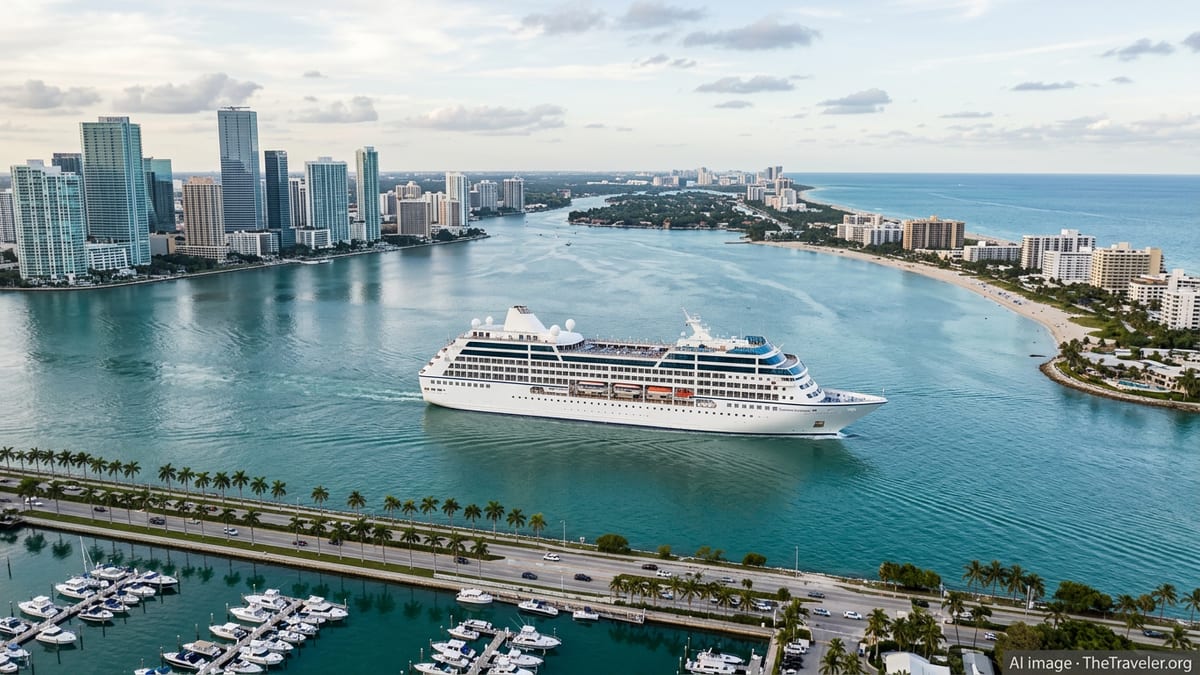
Residential cruise dream stalls in Sihanoukville
Publicly available information indicates that the Odyssey, operated by US-based Villa Vie Residences, arrived in the Cambodian port city of Sihanoukville in late October and informed passengers they would need to disembark with their belongings. The decision effectively turned what had been sold as a years-long, continuous circumnavigation into an unplanned final stop.
Coverage from international outlets describes the vessel as a 200 metre former ocean liner refitted for residential use, with capacity for several hundred passengers who could buy, rent, or rent-to-own cabins as floating homes. The voyage departed Belfast in October 2024 on what was promoted as a three-year journey to all seven continents, attracting guests who in some cases sold homes and possessions to fund life at sea.
Reports indicate that the ship had sailed for more than 750 days before the suspension was announced on Tuesday, 27 October 2026. Villa Vie Residences stated it had “suspended operations in Cambodia” while the company evaluates restructuring and recapitalisation options, signalling that the stoppage is tied to wider financial pressures rather than a routine itinerary change.
Regional media describe the scene in Sihanoukville as residents packed up cabins that had effectively served as apartments, navigating the practical challenges of moving off a ship that many had expected to call home for years. Some passengers are reported to be seeking temporary accommodation in Cambodia while they work out onward travel plans.
Fuel prices cited as key trigger
According to multiple published reports, Villa Vie Residences has attributed the pause in operations primarily to a sharp rise in marine fuel costs across parts of Asia. Statements referenced in news coverage suggest that the company has seen monthly fuel costs per cabin jump from about 1,800 US dollars to between 6,000 and 8,000 dollars on certain segments, a level it described as unsustainable under the current business model.
The increase has been linked in coverage to a wider spike in global oil prices following the recent conflict involving Iran, which has affected fuel expenses across the aviation and maritime sectors. Cruise and airline operators throughout the region are reported to be reassessing itineraries, surcharges, and capacity as higher input costs filter through their operations.
In the case of the Odyssey, the impact appears to have been magnified by the residential structure of the voyage, where guests pay purchase prices or long-term leases for cabins and then cover ongoing monthly fees. Analysts quoted in financial and travel industry reporting note that such models can be vulnerable when unexpected cost surges outpace contracted revenue streams and when raising additional capital proves difficult.
Villa Vie Residences has stated through public channels that it is reviewing restructuring and recapitalisation options over the coming 60 days. Industry observers point out that any long-term solution would need to address not only fuel exposure but also the broader financing of residential amenities, crew, maintenance, and port charges tied to an “always at sea” product.
Limited support and complex journeys home
Coverage by regional and international outlets indicates that the company is arranging hotel lodging and local transportation in Cambodia for affected residents as they disembark. However, reports also state that funding for onward international travel is not being provided, leaving many passengers responsible for booking and paying for flights home or to alternative destinations.
With the Odyssey moored in Sihanoukville, passengers must now navigate limited direct long-haul options from Cambodia. Phnom Penh and Siem Reap offer regional connections via major Asian hubs, but travelers may face higher fares and added connections compared with embarkation from larger cruise turn-around ports such as Singapore or Bangkok.
Accounts compiled from public postings by passengers describe a rapid transition from shipboard life to onshore logistics, including securing visas where required, finding pet-friendly accommodation for those traveling with animals, and arranging storage or shipment of belongings that had been intended to remain at sea. Some residents reportedly face additional complications if insurance policies or payment plans were structured around the expectation of continuous residence on the ship.
Travel industry commentators note that the situation underscores the importance of understanding what protections are in place when cruise or tour operators suspend operations. While package travel regulations or insolvency protections in certain jurisdictions can assist with repatriation and refunds, coverage may vary depending on where the booking was made and whether purchases were structured as real estate-style agreements, long leases, or conventional cruise fares.
Financial strain on an ambitious concept
The Odyssey’s predicament highlights the financial and operational challenges associated with “live aboard” cruise concepts that promise multi-year or open-ended voyages. Public information about the project shows that Villa Vie Residences acquired and refitted the former conventional cruise ship with the aim of creating a community at sea, complete with long-term housing, social spaces, and an itinerary designed to avoid repetition over several years.
Industry analysts cited in business coverage have remarked that such ventures require steady inflows of capital and a careful balance between upfront cabin sales and ongoing operating costs. When external shocks such as fuel spikes occur, operators have fewer levers to pull than traditional cruise lines, which can more readily adjust sailing frequencies, shorten itineraries, or redeploy ships seasonally.
In the months leading up to the suspension, passengers’ public posts referenced additional fuel surcharges and appeals for extra funds, suggesting that the operator had been seeking ways to bridge the widening gap between expenses and revenues. Reports of delayed payments to crew and concerns over cash flow circulated in online cruise communities, indicating that financial pressures were building before the decision to halt the voyage in Cambodia.
For the global cruise sector, the episode serves as a cautionary signal at a time when several companies are exploring residential or long-duration products. Travel advisors observing the situation have suggested that future projects may place greater emphasis on ringfenced operating reserves, clearer contingency plans, and more transparent communication of financial risks to prospective residents.
What the Cambodia stop means for future itineraries
For Sihanoukville and Cambodia’s coastal tourism sector, the unexpected layover brings both short-term disruption and potential spending by disembarking passengers seeking accommodation, dining, and regional excursions. Local media have highlighted the city’s role as an emergency terminus for a global voyage, contrasting its relatively modest cruise infrastructure with the scale of the Odyssey’s ambitions.
While Villa Vie Residences has yet to publish a detailed roadmap for the ship’s next steps, public statements suggest that the Odyssey will remain in Cambodian waters during a lay-up period while the company reviews options. Maritime observers tracking vessel movements have noted that a longer stay in a single port could reduce fuel consumption but would also generate ongoing port and maintenance costs.
Prospective and current residents of other long-duration cruise projects are likely to follow developments closely as they weigh the security of deposits and the practicality of using ships as primary homes. Travel planners recommend that anyone considering similar products scrutinise contract terms related to itinerary changes, suspension of operations, and the treatment of residents in cases where voyages are shortened or halted.
As the Odyssey’s former residents fan out from Cambodia to home countries across North America, Europe, and beyond, their experience adds a new case study to the evolving landscape of extended cruising. For now, the ship that promised an almost endless journey at sea is tied up at a single port, while passengers adjust to life back on land much earlier than planned.