


More news on this day
More than 200 passengers on a residential “cruise for life” voyage have been left in limbo in Cambodia after the operator of the Villa Vie Odyssey suspended its around the world journey, saying it had run out of money to pay for fuel as costs surged across Asia.
Get the latest news straight to your inbox!
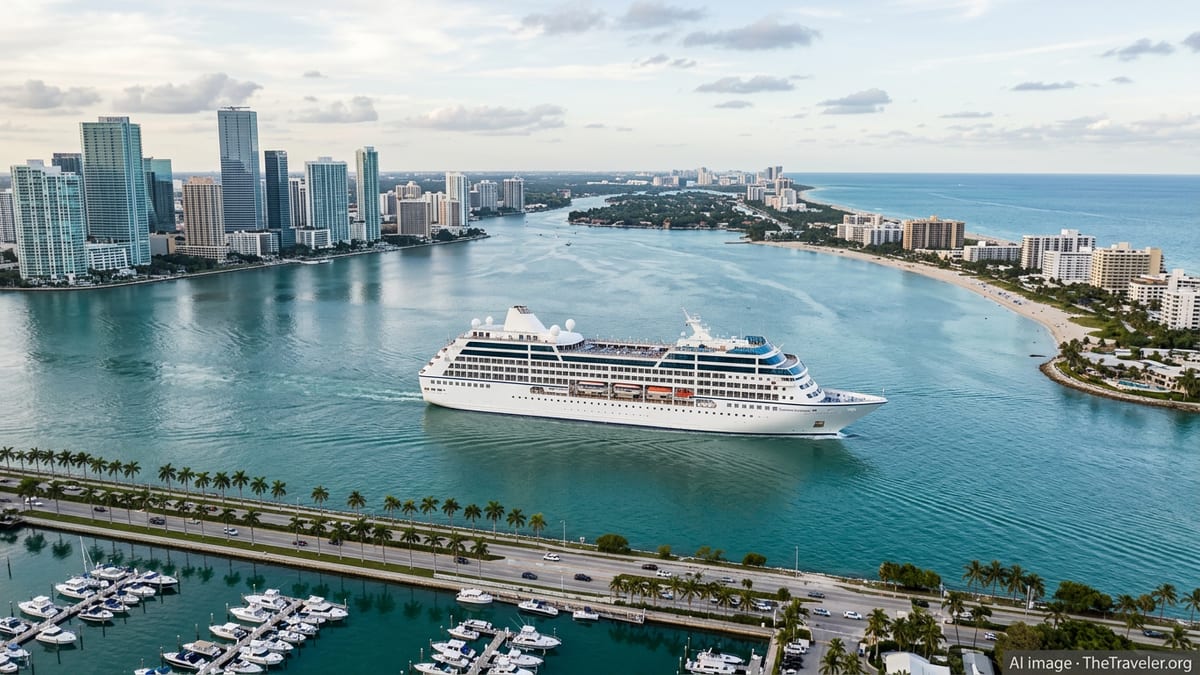
Residential world cruise cuts short its three year plan
The Villa Vie Odyssey, a 200 meter vessel marketed as a residential cruise ship, began its continuous global voyage in October 2024, departing from Belfast for what was promoted as a three and a half year journey. Instead of circling the world, the ship is now docked in the Cambodian port city of Sihanoukville, where its operator has halted operations and asked residents to leave the vessel.
Reports indicate that about 200 passengers, many of them Americans and Europeans who bought long term or lifetime leases on cabins, disembarked this week along with luggage and personal belongings. The ship has capacity for about 650 guests, but available information suggests it sailed with a smaller community of long term residents who treated it as a floating home.
Publicly available information shows that the Florida based operator, Villa Vie Residences, offered cabins for purchase or long term rental, with some residents reportedly selling houses or using retirement savings to join the voyage. Promotional materials had highlighted the concept as an alternative to land based retirement, with the ship scheduled to visit hundreds of ports over several years.
The itinerary had taken the Odyssey from Europe across the Atlantic and through various regions before reaching Southeast Asia in 2026. The current halt in Cambodia came after weeks of mounting concern among passengers over repeated requests from the company for additional contributions to cover operating expenses, including fuel.
Operator cites soaring fuel costs and plans bankruptcy filing
According to company statements quoted in multiple news reports, Villa Vie Residences has attributed the suspension of the voyage to what it describes as extraordinary increases in marine fuel costs across parts of Asia. The operator has said that fuel bills per cabin, which it previously estimated at about 1,800 dollars a month, have risen to between 6,000 and 8,000 dollars in the region since the outbreak of conflict involving Iran disrupted energy markets.
Coverage from outlets including CBS News and Reuters indicates that the company informed passengers it had exhausted available funds while still seeking a financial partner. The chief executive has publicly indicated that the firm intends to seek Chapter 11 bankruptcy protection in the United States, raising questions about how and when any customer claims might be resolved.
The sudden jump in fuel costs appears to have exposed the vulnerability of the Odyssey’s business model, which relied on relatively predictable operating expenses spread across a limited number of resident cabins. Analysts quoted in business and travel media note that long duration residential cruises carry particular exposure to swings in energy prices, currency movements, and geopolitics, especially when voyages concentrate in regions affected by supply disruptions.
While high fuel prices have pressured conventional cruise lines in recent years, larger operators often use hedging strategies, diversified itineraries, and higher passenger volumes to absorb shocks. Villa Vie’s single ship operation, combined with its niche residential concept, gave it fewer options once costs climbed in a short period.
Passengers scattered across Sihanoukville hotels as ship remains in port
News footage from Sihanoukville shows the Villa Vie Odyssey moored at the city’s commercial port while former residents move into local hotels with suitcases and handcarts. Reports from international broadcasters describe passengers booking into several midrange and upscale properties around the coastal city as they decide whether to remain in Cambodia temporarily or fly onward.
Some travelers have told reporters they plan to stay in Sihanoukville or travel overland to Phnom Penh and onward to destinations such as Vietnam, Bali, or Thailand, where they expect day to day living costs to be lower while they reassess long term plans. Others have already booked flights back to their home countries, using personal funds after receiving limited immediate assistance from the operator.
According to published coverage, Villa Vie Residences has said it is working to arrange short term accommodation support and onward travel options, though concrete details remain limited. As of October 29, 2026, the ship itself remains in Cambodian waters, with reports indicating that it is scheduled to take on fuel and depart without passengers on or around October 31, subject to payment and local port requirements.
Crew members are also affected by the suspension. Some accounts from passengers and international media suggest that salary payments for at least part of the crew may be delayed or incomplete, though the full status of employment contracts and repatriation arrangements has not been detailed publicly.
Financial protections and legal questions for stranded residents
With cabin prices on the Odyssey reported to have started in the hundreds of thousands of dollars for multi year stays, attention is now turning to what legal and financial protections may be available to displaced residents. Consumer advocates note that protections for cruise purchasers can vary widely depending on where the operator is registered, where payments were processed, and whether customers used credit cards, insurance policies, or trust arrangements.
In the United States, long standing regulations require most passenger vessel operators embarking from U.S. ports to demonstrate financial responsibility for unearned passenger revenue, often through surety bonds or other security. However, Villa Vie’s around the world itinerary and residency based product did not resemble a traditional round trip cruise from a U.S. port, and publicly available information has not yet clarified what specific financial guarantees were in place.
Specialist travel media report that affected passengers are now reviewing contracts and considering possible claims through credit card chargebacks, travel insurance, or bankruptcy proceedings. Some residents had already been asked over recent months to contribute additional funds to keep the ship operating, which could complicate efforts to distinguish pre paid entitlements from voluntary contributions.
Legal experts quoted in press coverage caution that complex cross border issues are likely, involving Cambodian port authorities, the ship’s flag state, U.S. corporate law, and the personal tax and residency status of passengers who structured their lives around long term stays aboard the vessel.
Broader implications for residential cruising and long voyages
The events in Sihanoukville are drawing intense scrutiny to the emerging niche of residential cruising, in which passengers buy or lease cabins as semi permanent homes rather than booking conventional itineraries. Several companies have launched or proposed similar projects in recent years, marketing them to retirees, digital nomads, and affluent travelers seeking an all inclusive, globe trotting lifestyle.
Analysts observing the Villa Vie Odyssey case suggest that the model may remain attractive to some travelers but will likely face tougher questions about financial transparency, contingency planning, and exposure to volatile operating costs. Prospective residents may look more closely at how companies hedge fuel risk, structure reserves for emergencies, and comply with financial security requirements in major markets.
Travel industry commentators note that the situation also underscores the importance of diversified plans for long term travelers, including maintaining access to shore side housing options, emergency savings, and independent insurance coverage. The rapid shift from life aboard a fully serviced vessel to arranging hotels and flights on short notice has highlighted how quickly circumstances can change during multi year voyages.
As of late October 2026, there is no confirmed timetable for any restart of the Odyssey’s residential program. Passengers who once expected to spend years at sea are now spread across Cambodian beach hotels, regional hubs, and home airports around the world, waiting to see what, if anything, can be salvaged from a voyage that promised an endless cruise and instead delivered an abrupt lesson in global travel risk.