


More news on this day
A residential “cruise for life” that invited travelers to buy into a lifetime at sea has come to an abrupt stop in Cambodia, where more than 200 long-term passengers from Europe, the Americas and Australia have been ordered to disembark after soaring fuel costs pushed the operator to suspend its around the world voyage.
Get the latest news straight to your inbox!
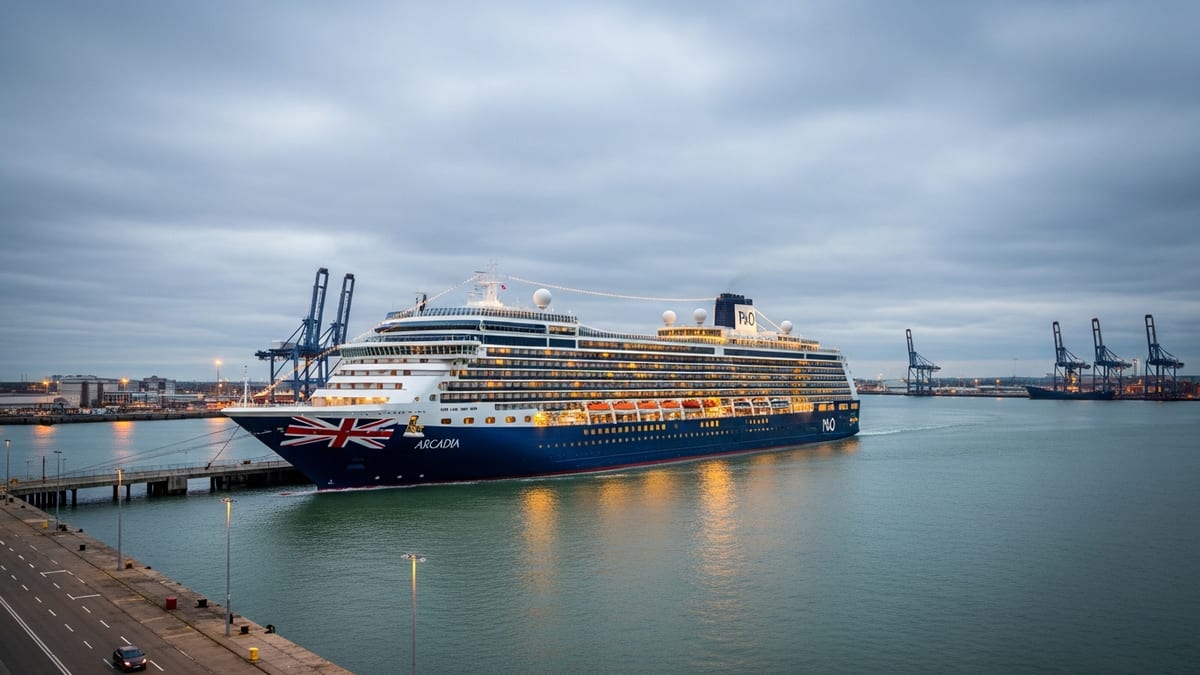
A three year world voyage cut short in Sihanoukville
The Bahamas flagged Villa Vie Odyssey, operated by Florida based Villa Vie Residences, arrived at Sihanoukville Autonomous Port on Cambodia’s southern coast in late October during what was scheduled to be another stop on a three and a half year global itinerary. Publicly available information shows that the vessel has been sailing as a residential ship since October 2024, offering cabins marketed as floating homes to people looking to live and travel at sea for years at a time.
On Tuesday, October 27, 2026, the company announced that it was suspending operations, citing what it described in published statements as extraordinary increases in marine fuel prices across parts of Asia. Reports indicate that passengers were then told they had only a few hours to pack their belongings and leave the ship during the call in Sihanoukville, turning a routine port visit into an unplanned end to their life at sea.
Local officials in Preah Sihanouk province have described to regional media how about 200 passengers were disembarked while the Odyssey remained alongside with a crew of more than 150. As of October 29, the ship was still docked in Sihanoukville, with no publicly confirmed timeline for either a resumption of the voyage or a permanent lay up.
The abrupt halt has left residents facing complex onward travel, with Sihanoukville offering limited long haul air connections compared with larger Southeast Asian hubs in Bangkok, Ho Chi Minh City or Singapore. Coverage from regional outlets shows that some passengers have opted to fly out quickly, while others are remaining in the coastal city while they decide on next steps.
From “own a cabin at sea” to scramble for accommodation
Villa Vie Residences launched its concept in 2023 and 2024 with marketing materials that presented the Odyssey as an alternative form of retirement and long term living, encouraging customers to “own a cabin at sea” or commit to multi year leases on suites. Company brochures and industry coverage described purchase prices for lifetime use of some units starting in the low six figures, with additional monthly fees covering operating costs, fuel and services on board.
According to published coverage of the launch, the Odyssey was due to visit nearly 150 countries over three and a half years, with the option for residents to stay on beyond the initial itinerary. The model blurred the line between a traditional cruise and a condominium, offering owners the chance to personalize cabins and treat the ship as a permanent address while it circled the globe.
The sudden stop in Cambodia has upended that vision. Reports from Cambodian and international media indicate that passengers were given minimal notice of the disembarkation and have been left to find hotels and apartments in Sihanoukville or arrange travel to other destinations at their own expense. Some residents are described as having sold homes ashore or given up long term leases in order to finance their life at sea, leaving them with few obvious places to return to on short notice.
Publicly available statements from the company say it is working with residents to coordinate disembarkation and identify temporary living arrangements. However, as of late October there is no clear indication in open sources of how long that support might continue or whether any refunds or compensation will be offered to those who had paid for years more on board.
Fuel price shock exposes fragile residential cruise economics
Residential cruising has been a niche but growing segment, appealing to travelers who want to combine long duration voyages with the familiarity of a stable community and cabin. Industry reports note that several ventures promising “endless” or multi year cruises have been announced in recent years, though some projects have struggled to reach launch or remain on schedule.
In the case of Villa Vie Odyssey, the company has pointed to a steep and relatively sudden rise in fuel costs in parts of Asia as the main trigger for suspending the voyage. Information shared in investor style communications and relayed in media coverage suggests that estimated fuel expenses per cabin rose several fold above earlier projections, undermining the financial model that supported the all inclusive residential fees.
Analysts quoted across regional business and travel outlets have highlighted how residential ships face different cost pressures from conventional cruise lines. With far fewer short term passengers and a focus on longer stays, operators have less flexibility to adjust prices in response to fuel or port cost spikes, and may be more exposed when global events disrupt energy markets or key sea lanes.
The Odyssey’s situation also follows earlier delays and refit challenges reported during its conversion from a traditional cruise ship to a residential vessel in Belfast. Those setbacks, combined with the latest fuel shock, have raised broader questions about how resilient “life at sea” products can be when circumstances change rapidly along a multi year itinerary.
Stranded travelers weigh limited options in coastal Cambodia
For the more than 200 residents now ashore in Sihanoukville, the immediate concern is practical rather than corporate. Reports from Cambodian and international newsrooms describe passengers leaving the port carrying luggage and personal belongings, then dispersing to hotels and guesthouses in the city or transferring directly to nearby airports.
Sihanoukville has seen rapid development in recent years as a beach destination and casino hub, giving stranded travelers a range of accommodations across budgets, from modest guesthouses to upscale resorts along Otres Beach and other stretches of coastline. However, flying out often requires at least one connection through Phnom Penh, Bangkok or another regional center, adding cost and complexity for passengers who had expected to remain at sea and had not budgeted for last minute long haul travel.
Some passengers are reported to be seeking legal advice in their home countries or exploring the fine print of their purchase and lease agreements to determine what, if any, recourse they may have. Others are focusing on securing new housing on land, particularly those who had treated the Odyssey as a primary residence and now need medium term accommodation while they reassess their plans.
Cambodian coverage indicates that local authorities and port officials have primarily focused on ensuring that disembarkation proceeded in an orderly way and that passengers could pass through immigration and customs. There has been no public suggestion in open reports that passengers are prohibited from leaving the country, but the cost of doing so now falls largely to the residents themselves.
A warning sign for future “life at sea” ventures
The halt of Villa Vie Odyssey’s voyage is likely to reverberate across the emerging residential cruise sector. Travel industry observers note that the ship had attracted a community of residents from across Europe, North America and Australia, many of them early adopters of the idea that a ship could serve as a permanent neighborhood circumnavigating the globe.
Published commentary in trade and mainstream outlets suggests that the experience in Cambodia may make future customers more cautious about paying large upfront sums or selling terrestrial property in favor of a sea based lifestyle. Questions about how deposits are protected, how operating reserves are managed and what contingency plans exist for fuel or maintenance shocks are expected to feature more prominently in marketing and contracts.
At the same time, the episode highlights the wider risks facing complex travel products that depend on stable energy markets and open sea routes over many years. While conventional world cruises can adjust itineraries or pricing season by season, residential ships promise continuity and predictability that can be difficult to deliver when costs swing sharply.
For now, the Odyssey’s residents are scattered between a dockside ship in Sihanoukville and hotels and airports across Cambodia and beyond, their long planned “life at sea” suddenly interrupted. Whether Villa Vie or any successor operator can restore confidence in an endless world cruise, or whether this marks a turning point away from such ambitious projects, remains an open question for the cruise industry and for travelers who still dream of calling the ocean home.