


More news on this day
Concerns over fake, bot-driven travel sites are spreading across Canada’s aviation sector as major hubs in Montreal, Vancouver and Ottawa publicly align themselves with Toronto Pearson’s warning about deceptive online booking platforms targeting passengers.
Get the latest news straight to your inbox!
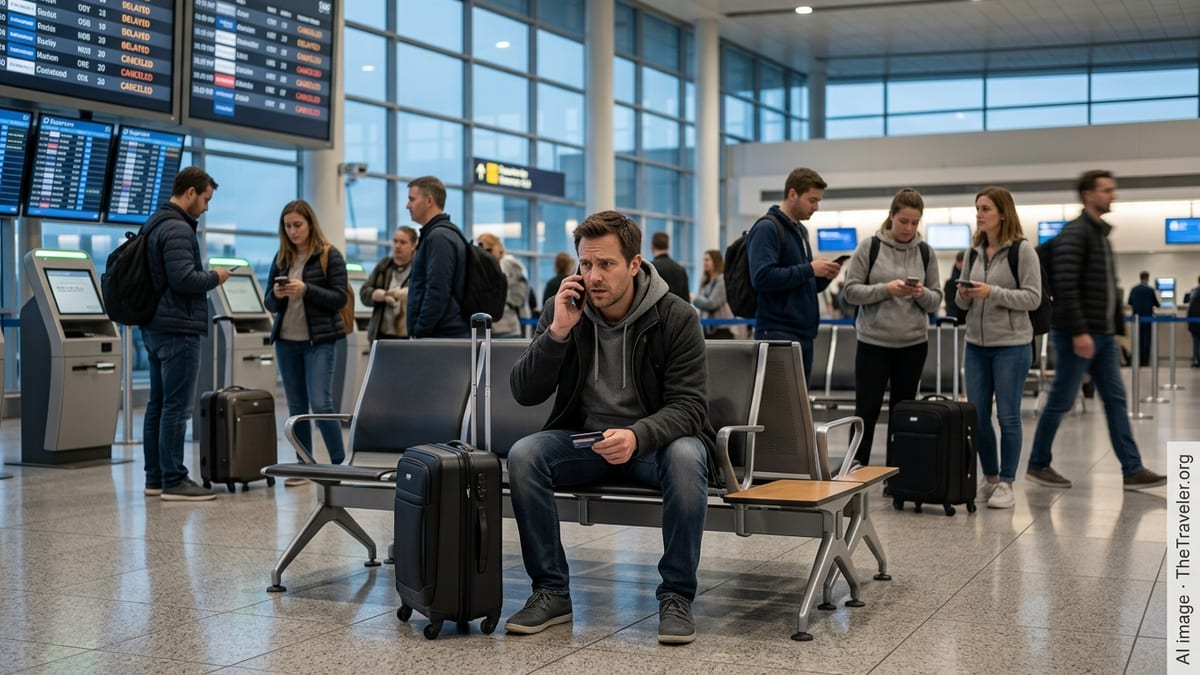
Airports rally around Toronto Pearson’s fraud warning
Toronto Pearson International Airport recently flagged a rise in sophisticated fake travel websites that imitate official airport or airline pages, luring passengers into purchasing tickets or services that may not exist. According to published coverage, the airport operator has urged travellers to be cautious when following links from search engines and social media, particularly when offered unusually low fares or last-minute deals.
Airports in Montreal, Vancouver and Ottawa have now echoed those concerns, highlighting the growing reach of bot-generated and AI-cloned websites that can replicate branding, layouts and even customer service language. Public statements and media reports indicate that these airports are monitoring reports of passengers being redirected to third-party sites that appear legitimate but are not connected to any recognized airline or accredited travel agency.
The show of unity among four of Canada’s busiest airports underscores how online fraud has become a shared operational and reputational risk. While airport authorities do not sell commercial airline tickets directly, their brands are frequently used in search terms, making them attractive targets for cybersquatters and fraudulent advertisers who hope to capture unwary travellers looking for flight information or parking.
How fake and bot-driven travel sites target passengers
Publicly available information from federal regulators and consumer agencies in Canada points to a broader surge in deceptive digital marketing tactics aimed at ticket buyers. Fraudulent operators commonly use domain names and page designs that closely resemble legitimate travel brands. Automated tools and bots can rapidly generate multiple lookalike sites, adjust prices and clone content, making scams harder to spot.
These fake platforms often promise heavily discounted fares, exclusive promotional codes or bundled services that appear to undercut airline or trusted agency pricing. In many cases referenced in recent consumer alerts, passengers only discover problems when confirmation numbers fail to work, e-tickets are rejected at check in, or ancillary services such as seat selection and checked baggage do not show up in an airline’s system.
Search advertising and social media links are another gateway. Reports indicate that some fraudulent actors purchase sponsored results around popular airport and route keywords, meaning their pages may appear above genuine airline links. Travellers who are in a rush, using mobile devices or unfamiliar with standard pricing patterns are especially vulnerable to these tactics.
Regulators and consumer agencies sharpen their message
Canadian consumer protection bodies and competition regulators have recently stepped up messaging around deceptive ticket marketing, with official advisories warning buyers to be skeptical of deals that appear significantly cheaper than other options. Recent guidance stresses the importance of examining website addresses carefully and verifying whether a platform is associated with a licensed travel agent or recognized airline before entering payment details.
Authorities also recommend that travellers look out for hidden fees and add-ons that appear late in the booking flow, a pattern often used by unscrupulous operators. Some advisories urge passengers to document misleading advertisements with screenshots and to report suspected scams to national fraud reporting centres and competition agencies so patterns can be tracked.
Industry reports show that airports and airlines are increasingly working with law enforcement, regulators and major search and advertising platforms to flag suspicious domains, request takedowns and limit paid promotion for known fraud sites. However, experts acknowledge that the speed at which new domains can be generated, particularly using automated tools, means that enforcement efforts often lag behind the latest iterations of scams.
Passenger traffic trends heighten stakes for Canada’s hubs
Recent statistics on passenger screening at Canadian airports suggest that major hubs such as Toronto, Montreal, Vancouver and Ottawa are managing softer transborder traffic after a period of strong post-pandemic recovery. In that context, reputational issues around safety, reliability and consumer protection are increasingly important as airports and airlines compete to rebuild and diversify their customer base.
Published transportation data shows that Toronto Pearson remains the country’s dominant international gateway, with Montreal, Vancouver and Ottawa acting as key secondary hubs for both domestic and cross-border routes. Any significant erosion of trust in the online booking environment associated with these hubs risks pushing travellers to alternate routes, carriers or even other modes of transport.
For airport operators that are already navigating staffing pressures, infrastructure investment debates and shifting airline capacity, the emergence of highly realistic fake booking channels adds another layer of complexity. Ensuring that passengers reach their flights with valid tickets is fundamental to smooth operations, and fraud-related disruptions can ripple quickly through security, border processing and customer service lines.
Practical guidance for travellers navigating online bookings
In response to the latest wave of concerns, Canadian airports and public agencies are emphasizing straightforward steps passengers can take to reduce risk. Travellers are being encouraged to navigate directly to airline or airport websites by typing addresses into a browser rather than relying solely on search results or sponsored links, and to cross check any unfamiliar platform by searching its name together with words like “reviews” or “complaints.”
Consumer guidance also highlights the importance of paying with credit cards rather than direct bank transfers or prepaid gift cards, since card issuers typically offer chargeback mechanisms if a ticket turns out to be fraudulent. Where possible, passengers are advised to verify their reservation directly on an airline’s official site or app soon after purchase, rather than waiting until travel day.
For Montreal, Vancouver, Ottawa and Toronto Pearson, aligning publicly on these messages serves a dual purpose. It reinforces basic digital hygiene for travellers while signaling that Canada’s largest airports are taking the reputational threat posed by fake, bot-driven travel sites seriously. As online travel planning becomes ever more automated, their coordinated stance suggests that consumer trust in official channels is now as critical to airport performance as runway capacity or terminal upgrades.