


More news on this day
Malaysia’s tourism rebound is accelerating at a pace that is reshaping the regional travel map, with more than seventeen million visitors recorded across the country and new data showing it is outpacing traditional heavyweights such as Singapore, Indonesia, Thailand, South Korea, Brunei and India, even as airlines and travelers grapple with rising fuel prices linked to tensions in the Middle East.
Get the latest news straight to your inbox!
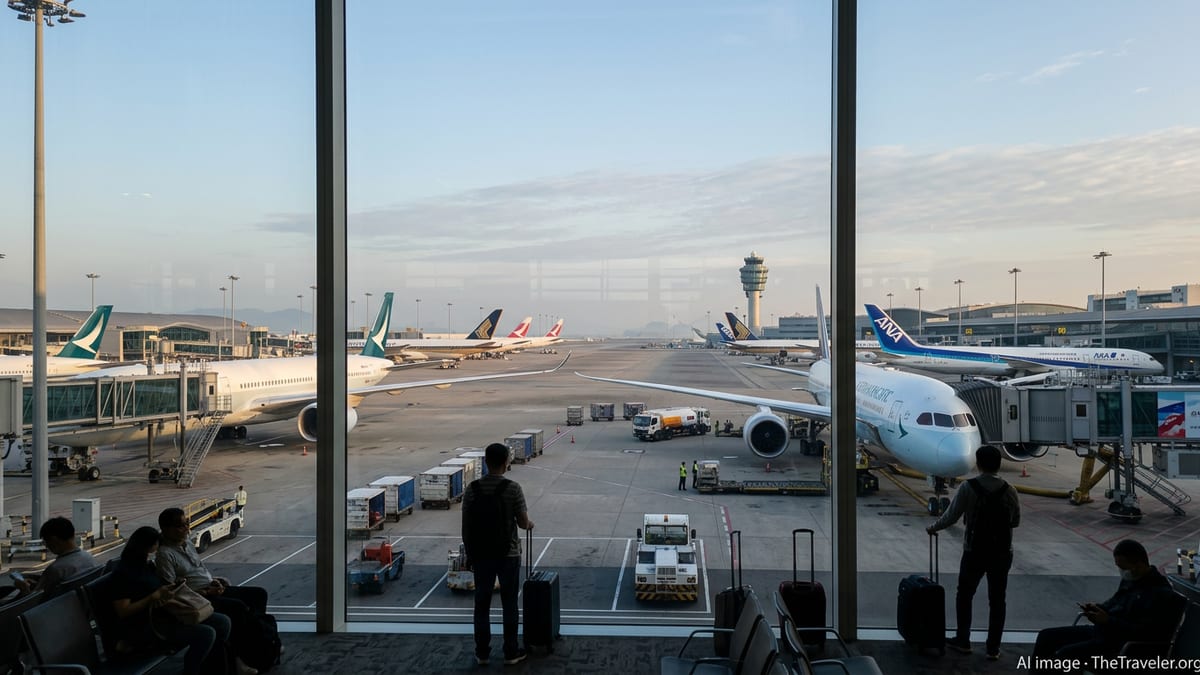
Malaysia Pulls Ahead in Asia’s Post-Pandemic Travel Race
Recent tourism dashboards and regional comparisons indicate that Malaysia has moved into a leading position in Asia’s recovery cycle, drawing well over seventeen million international visitors within a twelve‑month window and setting fresh records for quarterly arrivals. Analysts tracking Southeast Asian travel flows note that Malaysia has, on several key metrics, overtaken Singapore, Indonesia, Thailand, South Korea, Brunei and India in terms of headline visitor numbers, even if some of those markets still lead on average spend per trip.
Malaysia’s advantage is most visible in its ability to combine high‑volume land arrivals from neighboring Singapore, Thailand and Brunei with rapidly recovering air traffic through Kuala Lumpur International Airport and secondary hubs such as Penang, Langkawi and Kota Kinabalu. Publicly available tourism data for 2023 and 2024 shows visitor arrivals climbing from the mid‑teens in the early recovery phase to the mid‑ and then high‑twenties in millions, with the latest figures pointing to more than ten million visitors in the first quarter of 2026 alone.
Regional research notes that, while Thailand and Indonesia remain powerful brands, Malaysia’s growth rates are now outstripping many of its peers. Comparative tables published in late 2025 put Malaysia’s arrivals in the high‑teens in millions for the latest full year, ahead of Singapore and Indonesia on raw visitor counts and above South Korea, Brunei and India on current inbound volume, underlining the scale of the country’s resurgence.
At the same time, Malaysia is closing the gap with longer‑established tourism giants on the world stage. International rankings compiled from national tourism authorities list Malaysia among the top Asian destinations by 2024 arrivals, with more than twenty million visitors reported for that year and government targets now stretching toward the high‑twenties in millions as the country prepares for Visit Malaysia Year 2026.
Economic Impact Spreads Across Transport, Retail and Services
The surge in arrivals is having a pronounced impact on Malaysia’s wider economy. The Department of Statistics has reported that tourism’s direct and indirect contribution to gross domestic product climbed above 15 percent in 2023, with tourism‑related output valued in the hundreds of billions of ringgit. More recent indicators for 2024 and early 2025 suggest a further jump, as spending by foreign visitors catches up with the sharp rebound in headcounts.
Tourism receipts have risen in tandem. Central bank and statistics releases show travel‑related earnings moving from just over 70 billion ringgit in 2023 to more than 100 billion ringgit in 2024, putting the sector firmly back among Malaysia’s largest foreign‑exchange generators. Analysts say the combination of higher volumes and improving yield per visitor is helping to offset external pressures from a softer global trade environment and tighter financial conditions.
The jobs effect is also substantial. Official labour data indicates that more than one in five workers in Malaysia is now employed in tourism‑linked industries, from accommodation, food services and transport to retail, recreation and health and education travel. Between 2022 and 2023 alone, tourism employment expanded by almost 5 percent, adding hundreds of thousands of positions across the country as hotels reopened, airlines reinstated routes and new attractions came online.
Beyond headline numbers, sector breakdowns point to particularly strong growth in shopping, medical and education tourism. Recent investment briefings describe foreign tourist spending on shopping as accounting for roughly one‑third of total visitor expenditure, while Malaysia’s medical travel and international education offerings are drawing a growing share of arrivals from the Middle East, South Asia and the wider ASEAN region.
Rising Fuel Prices Reshape Flight Routes but Not Demand
Malaysia’s tourism expansion comes against a backdrop of sharply rising jet fuel prices linked to tensions and supply concerns in the Middle East. A June 2026 assessment by the International Air Transport Association notes that jet fuel has climbed to represent roughly one‑third of airline operating costs, up from around a quarter the year before, and that this cost shock is significantly eroding industry profitability worldwide.
Carriers across Asia have responded by lifting fares and adding fuel surcharges on medium‑ and long‑haul routes. Industry data shows that global passenger demand measured in revenue passenger kilometres is growing more slowly than capacity as airlines attempt to recoup higher fuel bills, leading to upward pressure on ticket prices into and within Asia. Travel forums and trade publications report that some long‑haul passengers are actively seeking routings that avoid conflict‑adjacent airspace or major Middle Eastern hubs.
Despite these headwinds, Malaysia appears to be benefiting from a partial reconfiguration of traffic flows. IATA commentary notes that several Asia Pacific airlines have seen gains from passengers switching away from traditional Europe‑to‑Asia routes that connect through the Gulf. Carriers using Kuala Lumpur and other Malaysian airports as hubs are well positioned to capture this demand, especially on itineraries linking Europe, Australasia and secondary Asian cities.
Travel analysts say that Malaysia’s strong land connectivity also softens the blow from higher aviation fuel costs. With more than four‑fifths of international visitors arriving by land in 2023 according to tourism statistics, particularly via Singapore and Thailand, the country is less exposed than some island destinations to rising jet fuel prices, allowing overall visitor numbers to keep climbing even as air travel becomes more expensive.
Source Markets Led by Neighbours, Supported by New Niches
Malaysia’s visitor profile is heavily concentrated in regional markets, a factor that has aided its rapid recovery. Tourism Malaysia data and independent compilations show that in 2023 more than half of all international tourists came from just two countries, Singapore and Indonesia, with Thailand, Brunei, China and India making up much of the remainder. The latest 2024 summaries suggest that Singapore alone supplied more than nine million visitors, underlining the importance of cross‑border travel in sustaining the boom.
Brunei, though much smaller in population, has emerged as a top‑five source market. Reports from 2023 recorded more than 800,000 Bruneian visitors to Malaysia, and subsequent quarterly updates in 2024 highlighted double‑digit percentage growth in arrivals from the sultanate as pent‑up demand for shopping, healthcare and leisure trips spilled over the border.
Beyond its immediate neighbours, Malaysia is drawing rising numbers of tourists from China, India, the Middle East and Europe. Published coverage of 2024 tourism trends notes that arrivals from China more than doubled compared with the previous year as flight capacity was restored, while Indian visitor numbers also climbed at a rapid pace from a smaller base. This diversification is seen as crucial in insulating the sector from future shocks in any single market.
At the same time, niche segments are gaining prominence. Malaysia’s branding as a Muslim‑friendly destination, coupled with competitive airfares on regional routes and a favourable exchange rate, is attracting visitors from Gulf economies who are looking for alternatives amid higher travel costs. Wellness, eco‑tourism and education travel are also expanding, supported by investments in hospitals, nature reserves and international branch campuses.
Infrastructure and Policy Set the Stage for Further Growth
Malaysia’s ability to convert rising regional demand into record visitor numbers is closely tied to long‑term investment in tourism infrastructure. Government and industry reports highlight ongoing upgrades at Kuala Lumpur International Airport, expanded capacity at key secondary airports, and improvements to highways and rail connections that link gateway cities to coastal and highland destinations.
Urban and resort development is accelerating in tandem. New hotel projects in Kuala Lumpur, Johor Bahru, Penang and Sabah are aimed at capturing both leisure and business travel, while integrated resort expansions in Langkawi and Desaru Coast are designed to position Malaysia more firmly on the global luxury travel map. Cruise terminals and marinas on both the Straits of Malacca and South China Sea coasts are being expanded to accommodate larger vessels and more frequent calls.
Policy measures are also shaping the trajectory of growth. National tourism plans set ambitious targets of more than 27 million international arrivals and significantly higher receipts in the coming years, underpinned by incentives for tourism investments, streamlined visa rules for selected markets and coordinated marketing campaigns across ASEAN, East Asia and the Middle East. Special focus has been placed on sustainable tourism practices and dispersing visitors beyond established hubs to secondary cities and rural destinations.
With rising fuel prices and geopolitical uncertainties likely to keep pressure on global air travel costs, industry observers suggest that Malaysia’s mix of strong regional drive‑in markets, diversified source countries and improving connectivity gives it a relative advantage. If current trends continue, the country’s recent milestone of surpassing seventeen million visitors could be a stepping stone toward a new era in which Malaysia consistently ranks among Asia’s top inbound destinations by both volume and economic impact.