


More news on this day
Severe storms sweeping across multiple U.S. regions on Friday triggered hundreds of flight delays and cancellations at major airports, disrupting travel plans at the start of a busy summer weekend and underscoring how vulnerable air travel remains to fast-changing weather patterns.
Get the latest news straight to your inbox!
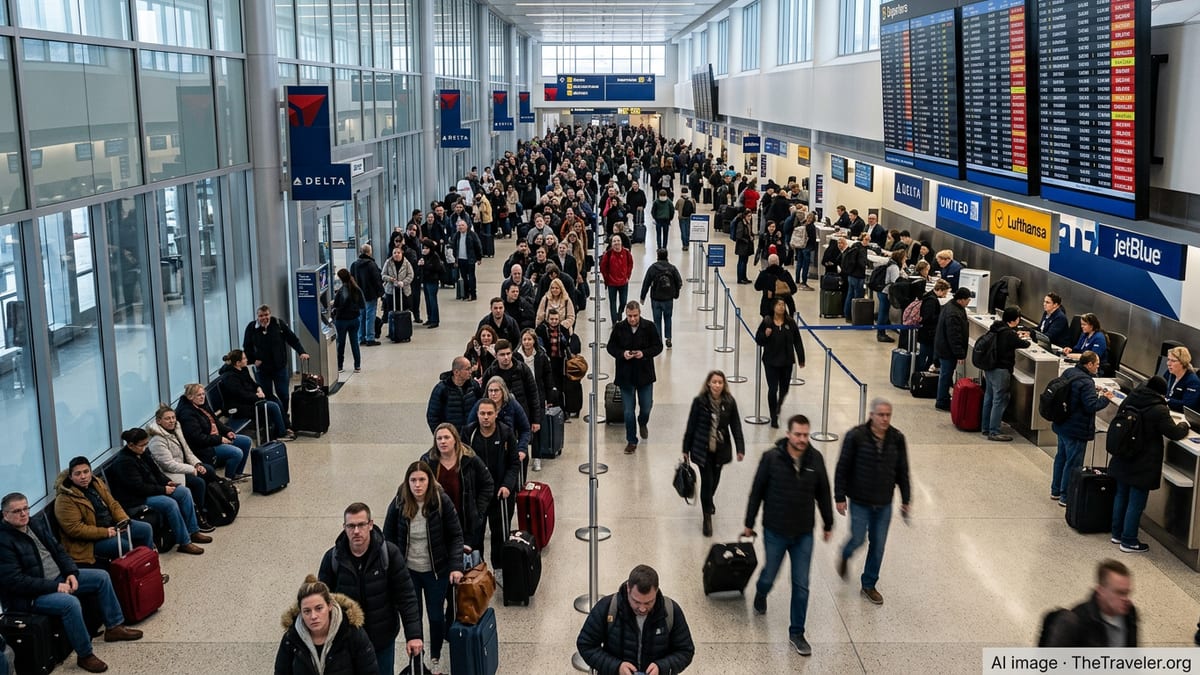
Storm bands slow traffic at major hubs
Publicly available flight-tracking data and local media coverage indicate that storms concentrating over key hub cities led to a sharp rise in ground delays and cancellations on Friday. Thunderstorms and heavy rain limited arrival and departure rates, forcing air-traffic managers to meter traffic into several of the nation’s busiest airports.
At Chicago’s O’Hare International Airport and Midway International Airport, earlier storm systems this week already produced hundreds of cancellations and a cascade of delays as airlines attempted to reposition aircraft and crews. Similar patterns appeared Friday as new storm bands crossed the Midwest, reducing visibility and triggering additional traffic management initiatives that slowed operations.
Weather-related restrictions also affected airports along parts of the East Coast and in storm-prone southern hubs, where afternoon and evening thunderstorms are common in late June. When multiple hubs are hit on the same day, disruptions tend to propagate across entire networks, as aircraft and crews scheduled to operate later flights become stuck in the wrong cities.
In some locations, temporary ground delay programs were put in place, requiring flights en route to slow or hold at their departure points, often for more than an hour. Those measures, aimed at safety, frequently translate into missed connections and overnight disruptions for passengers on tightly timed itineraries.
Hundreds of flights disrupted as storms linger
Flight-status data compiled throughout the day pointed to several hundred cancellations and large numbers of delays systemwide. Individual airports reported dozens of affected departures and arrivals, with some hubs seeing more than a hundred flights either scrubbed or pushed back as the weather evolved.
Reports from previous storm episodes in recent weeks, such as severe weather around Chicago and heavy thunderstorms affecting Houston’s George Bush Intercontinental Airport, provide a clear template for Friday’s disruption. Those events saw arrival and departure delays commonly exceeding an hour and, in some cases, rapidly escalating cancellation counts once thunderstorms stalled over airport approach corridors.
Friday’s pattern appeared similar, with airlines initially attempting to hold to schedules through moderate delays before shifting into more aggressive cancel-and-rebook strategies as storms persisted into the evening. Once a certain threshold of delay is reached, carriers often opt to cancel round-trips outright to prevent further knock-on effects across their networks.
Travelers reported long lines at customer service counters and rebooking kiosks, as well as crowded gate areas where rolling delay estimates were updated repeatedly. For many, same-day alternatives became scarce by late afternoon, particularly on popular leisure routes tied to the weekend getaway period.
How severe weather ripples across the system
Friday’s problems highlight the way summer storms affect air travel well beyond the cities directly under severe weather warnings. When a major hub slows or stops accepting arrivals, flights still on the ground at outstations are held back, leading to local delays even where skies are clear.
According to industry analyses of similar weather events, these systemwide ripples can persist for a full day or longer. Aircraft may end up overnighting away from their planned bases, and flight crews can reach duty-time limits before they are able to operate their scheduled segments, compounding the disruption created by the initial storm cells.
Previous episodes, including winter storms in early 2026 and flooding in South Florida in 2024, showed how a single day of intense weather can generate thousands of delays and cancellations across the national network. While Friday’s outbreak appears smaller in scale, it follows the same underlying mechanics, with thunderstorms forcing temporary ground restrictions and airlines then struggling to return operations to normal.
For passengers, these dynamics often translate into uncertainty rather than outright cancellation in the first instance, as flights are delayed in short increments while controllers and airline operations centers wait for clearer radar trends. When storms regenerate or move more slowly than forecast, those incremental delays can ultimately turn into full cancellations late in the day.
Advice for travelers caught in storm-related chaos
Travel and consumer resources consistently recommend that passengers build flexibility into summer itineraries during active storm periods, particularly on Fridays when airports are already under heavy load. Choosing earlier departures can provide more rebooking options if weather deterioration later in the day forces airlines to trim schedules.
Publicly accessible airline policies and U.S. Department of Transportation guidance indicate that when a flight is canceled, travelers are generally entitled to a refund if they choose not to be rebooked, regardless of the reason. Weather-related disruptions typically do not trigger hotel or meal coverage from airlines, but many carriers offer travel credits or free changes when forecasts show significant storm risk.
Real-time communication tools have become increasingly important during events like Friday’s. Mobile apps and text alerts often provide quicker notice of schedule changes than crowded airport departure boards, and they allow travelers to request alternate routings before limited seats are snapped up by others.
For international connections or cruise departures, travel advisers often suggest arriving at the gateway city at least a day early during peak storm seasons to limit the risk that a single round of Friday thunderstorms will derail long-planned vacations. After another day marked by widespread delays and cancellations, that conservative approach may look even more appealing to many travelers planning trips in the coming weeks.
Operational resilience under renewed scrutiny
Friday’s weather-related turmoil arrives at a time when airlines and regulators are under growing scrutiny over schedule resilience and passenger treatment during major disruptions. Data released over the past two years has shown high volumes of delayed flights and sizable cancellation spikes during both winter storms and severe summer weather events.
Airlines have emphasized that safety remains paramount and that thunderstorms, lightning and low visibility at congested airports limit what can be safely operated. At the same time, consumer advocates argue that tight scheduling, lean staffing and complex hub structures leave little buffer when storms roll through on busy travel days, leading to rapid escalation from manageable delays to large-scale cancellations.
As the summer travel season continues, Friday’s storms are likely to feed an ongoing debate over how much slack should be built into airline schedules and what additional protections travelers should expect when weather disrupts their plans. For now, passengers navigating major hub airports may see Friday’s experience as another reminder that, in peak storm season, even routine afternoon thunderstorms can ripple into widespread, systemwide disruption.