


More news on this day
Escalating street protests in parts of the European Union have prompted Malaysia and Thailand to urge their citizens to steer clear of demonstration-hit areas, particularly in France and several other Western European states, and to reconsider non-essential travel plans.
Get the latest news straight to your inbox!
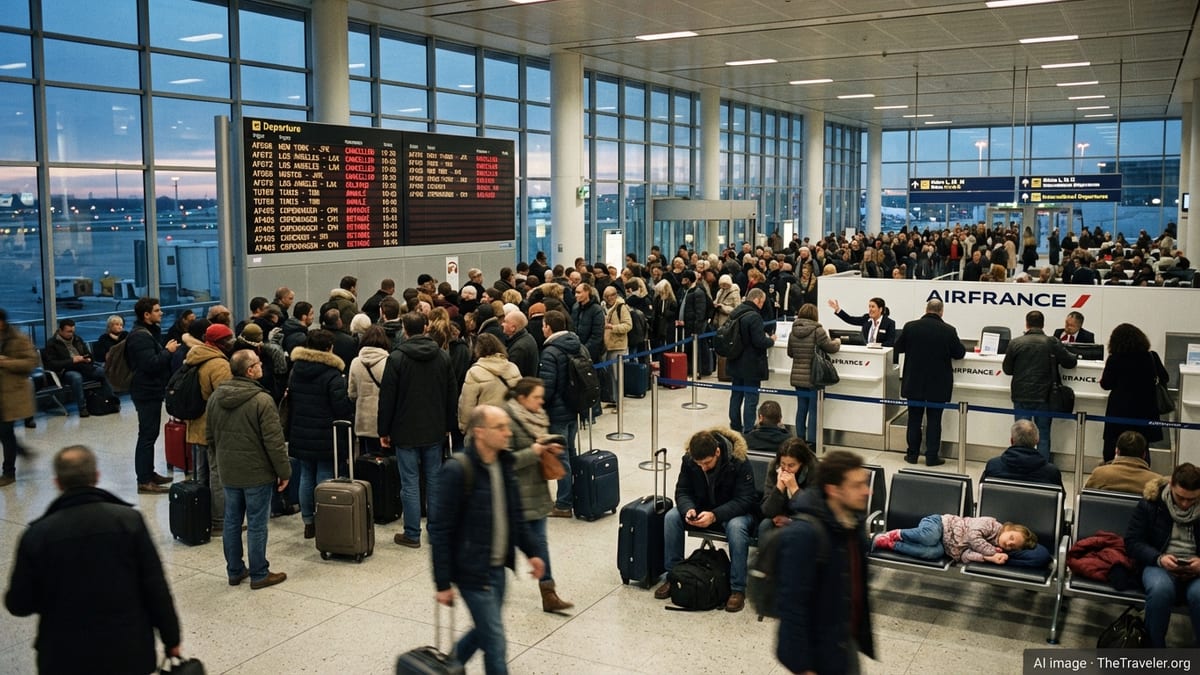
Fresh advisories as protests intensify in France and beyond
Publicly available information from Malaysia and Thailand shows both governments are reacting to a new wave of large-scale demonstrations affecting key European destinations in October 2026. France has seen nationwide rallies over living costs and fuel prices, with marches and road blockades reported in Paris and other major cities. Regional media and travel industry reports describe clashes in some locations, along with disruptions to public transport and traffic flows.
Malaysia’s foreign ministry issued a notice on 18 October advising Malaysians to postpone non-essential travel to France amid the unrest and to avoid any areas where protests or riots are taking place. The statement indicated that officials are monitoring the situation closely and that no Malaysian casualties or injuries had been reported at the time of publication, but urged extra vigilance around crowded public spaces and key transport hubs.
In parallel, Thai media coverage indicates that Thailand’s foreign minister has warned citizens about demonstrations spreading across several European countries, including France, Italy, Portugal and Belgium. The advisory, issued on 19 and 21 October via official consular communication channels and widely reported by national broadcasters, calls on Thais already in Europe and those planning trips to monitor local developments, register their whereabouts with consular assistance systems and stay away from protest flashpoints.
Travel analysis outlets note that these advisories do not amount to blanket bans on trips to the European Union. However, they mark a clear shift toward more cautious messaging as authorities respond to both the immediate safety risks around protests and the knock-on effects for transport, accommodation and travel insurance.
Which EU destinations are affected and how travel is being hit
The focus of the latest Malaysian guidance is France, where demonstrations in mid-October have drawn hundreds of thousands of participants across multiple cities. Paris has seen marches near central squares and government districts, as well as disturbances in outlying neighborhoods. Similar mobilisations have been reported in cities such as Marseille, Lyon and Toulouse, prompting localised closures of streets and metro stations.
Thai consular advisories and domestic reporting highlight a wider map of concern. Italy has experienced cost-of-living and student-led protests in cities including Rome and Milan, where sporadic clashes and crowd-control measures have been documented. In Belgium, demonstrations in Brussels and other urban centers have periodically targeted EU institutions and transport corridors, while Portugal has recorded rallies over wages and public services that have blocked roads and affected local bus and tram lines.
European tourism and hospitality bodies report that in some cities, hotel bookings near traditional protest routes have faced short-notice cancellations or date changes, particularly over weekends when marches are typically scheduled. Transport operators have warned of temporary route alterations, slower airport transfers and delays on rail networks when protest marches intersect with key lines or access roads. Travelers arriving without checking local advisories risk encountering cordoned-off areas around central train stations, government buildings and symbolic squares.
Despite these disruptions, core tourism infrastructure, including international airports and long-distance rail services, has largely remained operational. Many attractions continue to open as scheduled, though some museums and cultural venues have announced earlier closing times or adjusted entry procedures on days when demonstrations are expected nearby. Travelers are being advised to build more time into daily itineraries and to keep flexible plans that can be adjusted at short notice.
Guidance for Malaysian and Thai travelers with upcoming Europe trips
For Malaysians holding tickets to France in the coming weeks, the foreign ministry’s advisory to postpone non-essential trips is likely to be a key factor in deciding whether to travel. Public guidance emphasises that those who choose to proceed should avoid any form of participation in local marches, maintain up-to-date contact details with the Malaysian embassy in Paris and keep copies of travel and identification documents in secure locations. The ministry’s existing online registration tools for citizens abroad are being promoted as a way to facilitate contact in the event of an emergency.
Thai travelers are being directed, through consular announcements, to register itineraries and overseas addresses via the Thai Consular Assistance system before departure to Europe. Official messaging encourages close monitoring of news from both Thai and European outlets, particularly in the days immediately before and after arrival, since protest routes and intensities can change quickly. Travelers are also urged to keep mobile phones charged, carry the contact details of nearby embassies or consulates and prepare contingency routes back to accommodation if public transport is disrupted.
Insurance considerations are coming to the fore as well. Some regional insurers treat civil unrest or riots as specific risk categories, and coverage for trip interruption, missed connections or curfews may differ depending on the product. Consumer advocates recommend that Malaysians and Thais review the fine print of their policies for references to “civil commotion,” “strike” or “political disturbance” and seek updated written confirmation from insurers where terms are unclear, especially if travel dates coincide with planned protest actions.
For group tours, particularly student trips and package holidays, both Malaysian and Thai travelers are being advised to communicate proactively with tour operators. Adjustments to itineraries to avoid city centers on peak protest days, changes of hotel location to quieter districts, or date shifts may be available where bookings permit flexibility. Published reports suggest that some European operators are already redesigning city sightseeing routes to keep buses and walking tours away from demonstration hotspots.
Balancing safety, rights and the appeal of Europe
The latest advisories highlight a familiar tension for outbound travelers: balancing safety and risk avoidance with the continued appeal of European destinations. France, Italy, Portugal and Belgium all remain among the top long-haul choices for Malaysian and Thai tourists, celebrated for heritage sites, food culture and shopping. Travel agencies in Kuala Lumpur and Bangkok have indicated through local trade coverage that interest in year-end European holidays remains strong, although some clients are now asking to reroute itineraries toward less-affected cities or neighboring countries.
Analysts note that protest activity has been an intermittent feature of public life in Europe in recent years, ranging from large-scale farmers’ demonstrations that blocked highways and border crossings to urban rallies over pensions, fuel prices and education funding. While most gatherings remain peaceful, a minority have led to property damage, fires or confrontations with police, often concentrated in specific neighborhoods or districts rather than entire cities.
For individual travelers, the practical takeaway from the Malaysian and Thai advisories is to remain situationally aware rather than to abandon all travel plans to Europe. Avoiding crowds that appear to be forming for marches, steering clear of main boulevards and administrative quarters on announced protest days, and relying on official public-transport or city-alert channels can significantly reduce exposure to disruption.
Ultimately, outbound Malaysians and Thais are being encouraged through public advisories and media coverage to build more flexibility into European itineraries, to budget additional time for moving between airports, train stations and hotels, and to maintain regular contact with friends and family at home. As demonstrations continue to evolve across the EU, those planning trips in the coming months are likely to face a more dynamic environment that rewards careful monitoring, backup plans and close attention to guidance from consular sources and local authorities in their chosen destinations.